How to Use Public Buses in Buenos Aires Like a Local
Navigating the vibrant streets of the Argentine capital is best done by bus. To master how to use public buses in Buenos Aires, you must first obtain a SUBE card. This electronic smart card is the only valid payment method for the city’s massive network of "colectivos." While the Subte (subway) is faster for long distances, buses offer 24-hour service and reach every corner of the city. Most travelers find the bus system affordable and efficient once they understand the signaling and payment rules. Alternatively, you can use the Subte for central areas or trains for reaching northern suburbs.
Getting Your SUBE Card Ready
Before you step onto a bus, you must have a SUBE card. Cash is never accepted on board. You can purchase these cards at many "Kioskos" (small convenience stores) or subway stations across the city. Look for the blue SUBE window decal to identify authorized sellers. Once you have the card, you need to load credit onto it using cash or a local debit card at these same locations.
It is wise to register your card on the official Buenos Aires official site or at a SUBE center. Registering protects your balance if the card is lost or stolen. It also ensures you pay the standard fare, as unregistered cards may be charged a higher rate starting in 2026. Keep in mind that one card can sometimes be used for multiple people, but it is better for each traveler to have their own.
- Before You Go Checklist:
- Valid passport or ID for registration.
- Argentine Pesos in cash for the initial card purchase and top-up.
- A map app downloaded on your phone.
- A small pocket for your card to keep it easily accessible.
How to Use Public Buses in Buenos Aires
Using the bus system requires a bit of active participation. Unlike some cities where buses stop automatically, in Buenos Aires, you must flag them down. Each line is numbered, and different lines may share the same stop. Pay close attention to the signs on the sidewalk to ensure you are in the right place for your specific number.
- Step 1: Locate your stop. Look for the signs indicating your bus number. Note that lines often have multiple branches (Ramal), so check the sign in the bus window. Time: 2-10 minutes. Cost: Free.
- Step 2: Signal the driver. When you see your bus approaching, extend your arm horizontally. If you do not signal, the driver will likely pass you. Common mistake: Waiting for the bus to stop without signaling.
- Step 3: State your destination. Upon boarding, tell the driver where you are going or the street intersection. The driver sets the fare on the machine based on distance. Cost: Typically 300 to 600 ARS.
- Step 4: Tap your SUBE card. Wait for the screen on the card reader to show the price. Place your card against the reader until you hear a beep. Location: Front door of the bus.
- Step 5: Move to the back. Always exit through the middle or back doors. Press the red button or pull the cord near the exit before your stop arrives. Common mistake: Trying to exit through the front door.
Understanding the Colectivo System and Routes
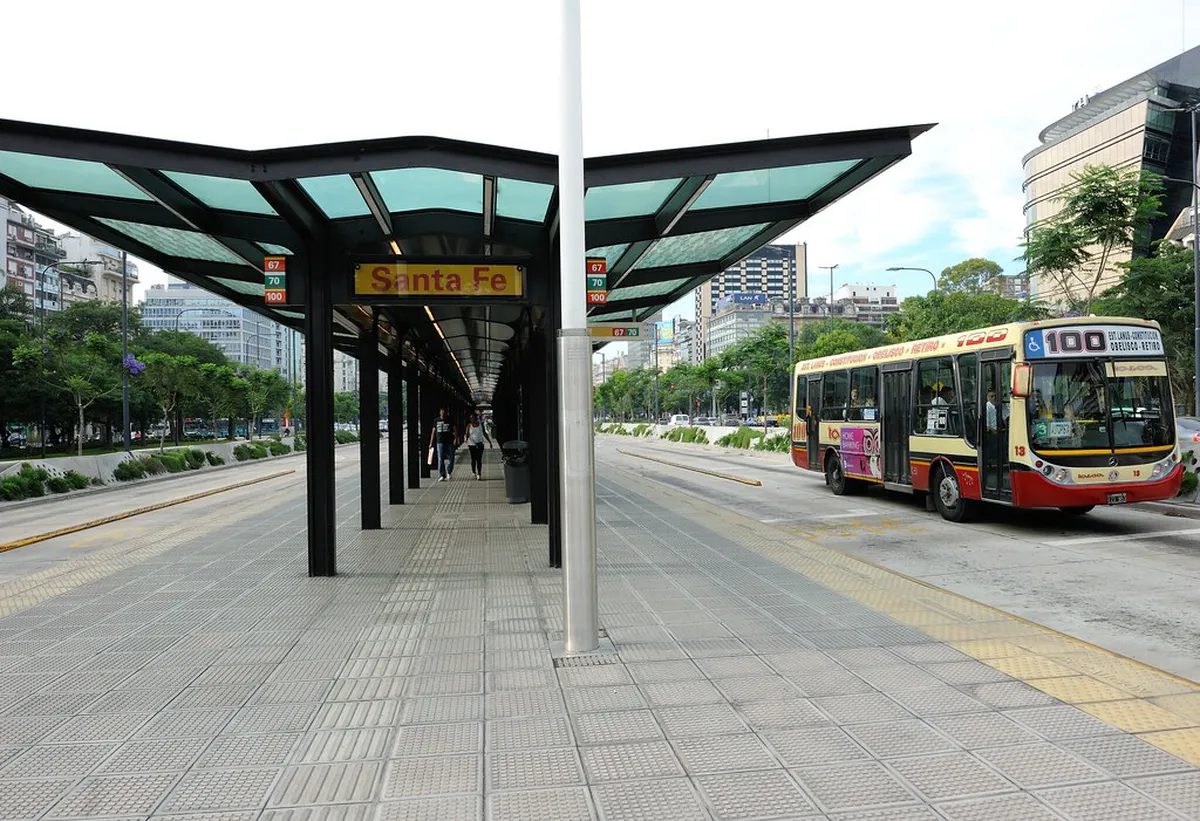
The bus network is dense and can be overwhelming for newcomers. To simplify things, utilize the Metrobus system. These are dedicated bus lanes on major avenues like 9 de Julio and Juan B. Justo. These lanes significantly reduce travel time by bypassing regular traffic. To plan your trip, use Visit Argentina resources or mobile apps like Google Maps.
Buses run 24 hours a day, which is a major advantage over the Subte. However, frequency decreases significantly after midnight. During the day, buses arrive every 5 to 15 minutes on popular routes. If you are exploring top attractions near Buenos Aires, the bus is usually your most flexible option within the city limits.
Transport Logistics for Nearby Towns
When planning trips further afield, you must decide between different modes of transport. For example, if you are planning a Tigre Delta day trip guide, the Mitre train line from Retiro is much faster than any bus. However, for other destinations, local or regional buses are the primary choice. Use this quick guide for decision-making:
- If going to Tigre: Take the Mitre Train from Retiro Station.
- If going to San Antonio de Areco: Take a long-distance bus from Retiro Bus Terminal.
- If visiting nearby suburbs (Vicente Lopez): Use a local colectivo like the 152 or 59.
- If traveling in a large group: Consider renting a car for day trips from BA for more freedom.
For more detailed information on departures to regional hubs, check the BA nearby towns transportation guide. Long-distance buses offer more comfort but require booking tickets in advance unlike city colectivos.
Troubleshooting and Common Bus Problems
Even experienced travelers face issues with the bus system. The most frequent problem is an empty SUBE card. Most cards allow a small "negative balance," but once that is exhausted, you cannot board. Always top up your card when your balance drops below 1,000 ARS of credit to be safe.
- Faulty Readers: If the card reader doesn't work, wait for the driver to reset it; don't just walk away.
- Full Buses: During rush hour (8-10 AM and 5-7 PM), buses may not stop if they are fully packed.
- Route Changes: Road protests or construction can lead to temporary detours. Check local news or apps for real-time alerts.
- Safety: Keep your backpack on your front in crowded buses to prevent pickpocketing.
- Lost Card: If you lose a registered card, go to a SUBE center to transfer your balance to a new one.
- No Credit: If you realize your card is empty at the stop, some kiosks offer 24-hour top-up machines.
- Language Barrier: If you don't speak Spanish, show the driver your destination on a phone screen.
Frequently Asked Questions
Can I pay for the bus in Buenos Aires with cash?
No, you cannot use cash on any public bus in Buenos Aires. You must use a SUBE card. Drivers do not handle money, and there are no ticket machines on board. Always ensure your card is loaded with credit before you attempt to board a bus.
How do I know which bus number to take?
Google Maps and Moovit are very reliable for finding bus numbers in the city. Simply enter your destination, and the app will provide the line number and the location of the nearest stop. You can also look for the colored signs at bus stops listing the routes.
Do Buenos Aires buses run at night?
Yes, public buses in Buenos Aires run 24 hours a day, 365 days a year. However, between 12:00 AM and 6:00 AM, the frequency is reduced. You might wait 20 to 30 minutes for a bus during these early morning hours, but they will eventually arrive.
Learning how to use public buses in Buenos Aires is the key to unlocking the city like a local. By securing a SUBE card and understanding the simple signaling process, you can reach virtually any neighborhood. Remember to signal clearly and tell the driver your destination. For trips outside the city center, consider the BA nearby towns transportation options to save time. Enjoy the ride and the unique view from the window of a classic colectivo.
Official resources
Use these sources for official schedules, tickets, routes, and updates.
- Buenos Aires Ciudad — Unverified candidate source.
- Visit Argentina — Unverified candidate source.
- Aeropuertos Argentina 2000 — Unverified candidate source.
- Teatro Colón — Unverified candidate source.
- Museo Nacional de Bellas Artes — Unverified candidate source.
- MALBA — Unverified candidate source.