
Top Historical Sites in Alta Gracia You Must Visit
Alta Gracia is a charming town nestled in the Córdoba hills. It is famous for its rich colonial past and famous former residents. Exploring the Alta Gracia historical sites feels like stepping back through centuries of Argentinian culture. You will find UNESCO-listed estates and the childhood home of a global revolutionary. This town is easy to walk and very peaceful.
Many travelers visit on a day trip from the capital city. However, staying a night lets you enjoy the quiet evening vibes. The cool mountain air makes sightseeing comfortable even in summer. You can learn about Jesuit ranching or Spanish classical music in one afternoon. Let us look at the best places to visit for history lovers.
The UNESCO Jesuit Heritage in Alta Gracia
The Jesuits were essential to the development of early Córdoba. They built massive estates called estancias to fund their schools and universities. The UNESCO World Heritage Centre recognizes these sites for their global value. You can see how they managed water and agriculture centuries ago.
These sites are remarkably well-preserved today. You will find stone walls, irrigation systems, and grand churches. Understanding the Jesuit history helps you appreciate the regional growth. It is helpful to know how to visit Jesuit Estancia Alta Gracia before you arrive. Most sites are located right in the city center.
-
Name: Jesuit Estancia of Alta Gracia (Casa del Virrey Liniers)
Type: UNESCO sight
Why go: This is the town's centerpiece. It contains furniture from the 17th century and colonial artifacts.
Best for: History buffs.
Where: City Center, near the main plaza.
Time: 1.5 - 2 hours.
Cost: Modest entry fee (usually under 5 USD).
Getting there: Walk from the central bus terminal.
Tip: Join a guided tour to hear stories about Viceroy Liniers. -
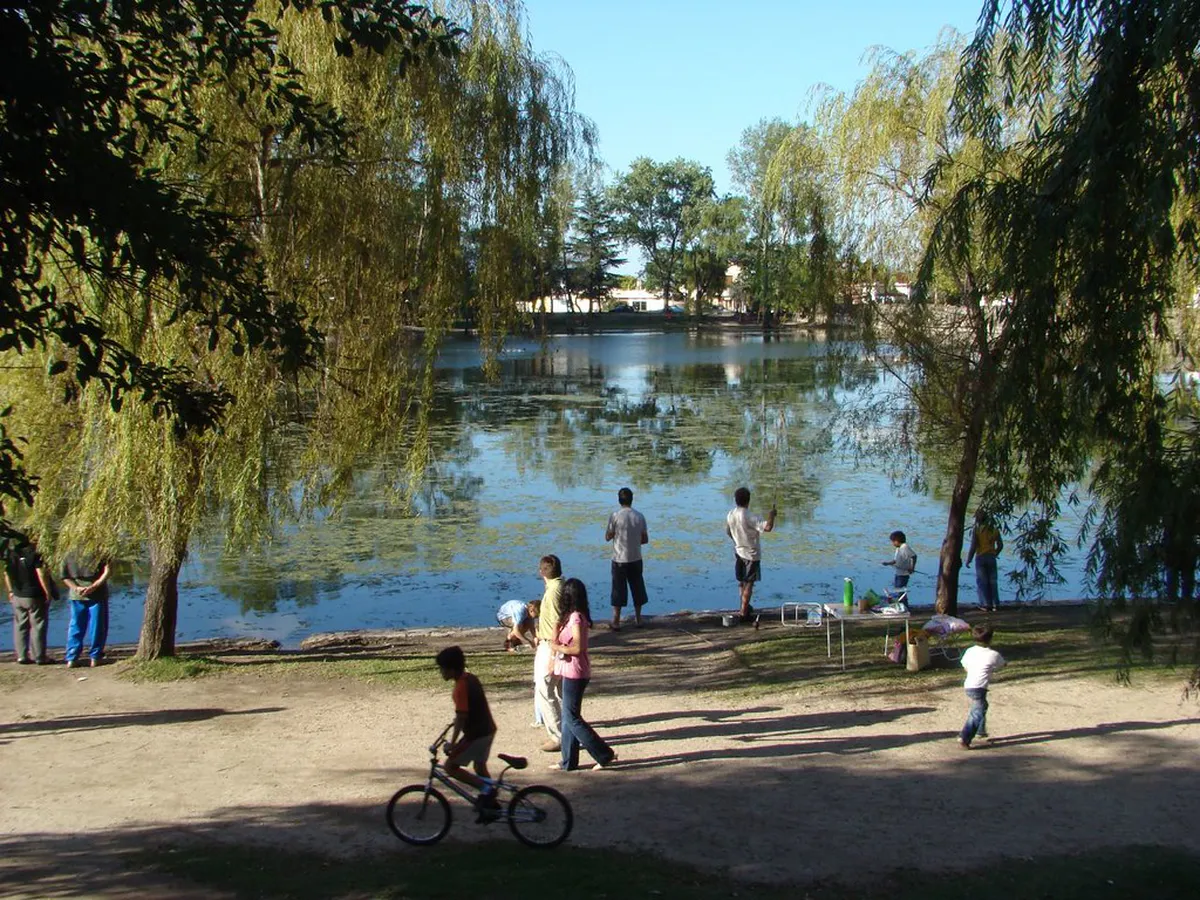
Name: El Tajamar
Type: Experience
Why go: This is the oldest artificial dam in Córdoba. The Jesuits built it in 1643 to power their mills.
Best for: Relaxing strolls.
Where: Across from the main church.
Time: 30 minutes.
Cost: Free.
Getting there: It is in the heart of the downtown area.
Tip: Visit at sunset for beautiful reflection photos on the water. -
Name: Church of Nuestra Señora de la Merced
Type: Sight
Why go: It features a stunning Baroque facade. The interior remains nearly identical to its colonial era.
Best for: Architecture lovers.
Where: Attached to the Jesuit Estancia.
Time: 20 minutes.
Cost: Free (donations welcome).
Getting there: Central location.
Tip: Be respectful of mass times during your visit.
Famous Home Museums and Cultural Landmarks
Alta Gracia attracted famous residents because of its clean climate. Many people moved here to treat respiratory issues in the early 20th century. This history created several unique house museums. You can walk through the personal lives of famous figures.
One highlight is visiting the Che Guevara Museum during your stay. This house shows how his childhood shaped his later beliefs. Another residence belongs to a world-famous Spanish composer. These museums are small and very personal.
-
Name: Ernesto Che Guevara Museum (Villa Nydia)
Type: Museum
Why go: See the primary school reports and photos of young Che. The house is a beautiful example of local architecture.
Best for: General history fans.
Where: Pellegrini Neighborhood.
Time: 1 hour.
Cost: Around 4-6 USD.
Getting there: A 10-minute walk from the town center.
Tip: Look for the "La Poderosa" motorcycle replica in the courtyard. -
Name: Manuel de Falla Museum
Type: Museum
Why go: The legendary composer spent his final years here. It contains his piano and personal letters.
Best for: Music lovers.
Where: On a hill overlooking the town.
Time: 45 minutes.
Cost: Cheap entry fee.
Getting there: A short taxi or a 15-minute uphill walk.
Tip: Check the local schedule for classical music concerts held on the grounds. -
Name: Gabriel Dubois Museum
Type: Art Museum
Why go: This was the home of a French sculptor. You can see his studio and many bronze works.
Best for: Art and sculpture fans.
Where: Calle Gabriel Dubois.
Time: 1 hour.
Cost: Nominal fee.
Getting there: Walkable from the town center.
Tip: Ask the staff about the artist's connection to Auguste Rodin.
Religious and Civic Historical Landmarks
The town has many spots that reflect its spiritual and civic soul. Large religious complexes attract thousands of pilgrims every year. Meanwhile, local civic buildings showcase the town's growth into a tourist destination. These sites offer a break from the crowded museum circuit.
There are many top attractions near Córdoba, but Alta Gracia's religiosity is unique. The local Grotto is a replica of a famous French site. It offers a peaceful place for meditation and nature. Most of these sites are either free or very low cost.
-
Name: Grotto of Our Lady of Lourdes
Type: Religious experience
Why go: It is a massive shrine built into the hillside. It features a replica of the Massabielle Grotto in France.
Best for: Spiritual travelers.
Where: North end of town.
Time: 1 hour.
Cost: Free.
Getting there: Short taxi ride or a long 30-minute walk.
Tip: Visit on February 11th to see the massive annual pilgrimage. -
Name: The Clock Tower (Torre del Reloj)
Type: Civic monument
Why go: It was built to celebrate the city’s 350th anniversary. It defines the town's skyline.
Best for: Quick photos.
Where: Near the bus station area.
Time: 15 minutes.
Cost: Free.
Getting there: You cannot miss it as you enter town.
Tip: Head here early in the morning for the best lighting. -
Name: Cine Teatro Monumental Sierras
Type: Historic theater
Why go: This is the largest theater in the province. It was recently restored to its former glory.
Best for: Culture fans.
Where: Main street (Avenida Belgrano).
Time: 30 minutes (tours vary).
Cost: Varies by show.
Getting there: Central location.
Tip: Check for free photography exhibitions in the lobby area.
Historic Day Trips Near Alta Gracia
If you have extra time, explore the surrounding Córdoba province. There are several other Jesuit estancias of Córdoba tours available. Each one offers a different look at colonial life. You can also visit diverse towns with European influences.
For example, the German alpine heritage of La Cumbrecita is world-famous. It is a pedestrian village with a unique history. You can also enjoy Lake San Roque in Villa Carlos Paz for modern history and entertainment. The Agencia Córdoba Turismo website has details on bus routes.
-
Name: Córdoba Jesuit Block
Type: Day trip
Why go: See the oldest university in Argentina. It is the heart of the Jesuit mission.
Best for: Deep history dives.
Where: Córdoba City center.
Time: 4-6 hours.
Cost: Moderate bus fare.
Getting there: Take a 1-hour bus from the Alta Gracia terminal.
Tip: Visit the University Library to see ancient hand-written books. -
Name: Villa Carlos Paz
Type: Day trip
Why go: Known for its Cuckoo Clock and historic theater scene. It sits on a beautiful reservoir.
Best for: Families.
Where: Punilla Valley.
Time: Full day.
Cost: 5-10 USD for the bus and food.
Getting there: Direct buses run frequently.
Tip: Take the chairlift up the hill for a view of the entire valley. -
Name: La Cumbrecita
Type: Day trip
Why go: This Alpine-style village was founded by German families. It features wooden houses and forest trails.
Best for: Nature and culture.
Where: Calamuchita Valley.
Time: Full day.
Cost: Higher transport costs.
Getting there: Best reached by car or tour bus.
Tip: Wear comfortable shoes as the whole village is pedestrian-only.
Frequently Asked Questions
What is the best month to visit the Alta Gracia historical sites?
March to May and September to November are best. The weather is mild and pleasant for walking between sites. Summer can be quite hot, though the hills are cooler than the city. Winter is dry and clear, which is great for photography but can be chilly at night.
How do I get to Alta Gracia from Córdoba city?
The easiest way is by bus. Go to the Córdoba bus terminal (T1 or T2). Several companies like "Sarmiento" or "Sierra Bus" depart every 20-30 minutes. The journey takes about one hour and finishes at the Alta Gracia bus terminal, which is close to the city center.
Are the historical sites in Alta Gracia wheelchair accessible?
Many central sites like the Estancia museum are on the ground floor and mostly accessible. However, some rooms have high stone thresholds. The Che Guevara House has some ramps. The Grotto and Manuel de Falla museum are on hills, which may require a taxi to reach the entrance for those with mobility issues.
Visiting the various Alta Gracia historical sites is a rewarding experience. You get a mix of colonial grandeur and 20th-century cultural legends. The town is much quieter than nearby Córdoba, making it perfect for a slow day of learning. Whether you love the Jesuits or Che Guevara, there is plenty to see. Plan to arrive early to beat the afternoon heat. Do not forget to browse the local craft markets for souvenirs. Start your journey by checking out more top attractions near Córdoba to complete your itinerary.
Official resources
Use these sources for official schedules, tickets, routes, and updates.
- Municipalidad de Córdoba — unverified: Official government portal for the city.
- Agencia Córdoba Turismo — unverified: Provincial tourism board for Córdoba province.
- UNESCO World Heritage Centre — unverified: Official UNESCO listing for the Jesuit Block.
- Lonely Planet — unverified: High-authority editorial travel guide.
- Universidad Nacional de Córdoba — unverified: Major public educational and historical institution.
- Aeropuertos Argentina 2000 — unverified: Official airport management authority.