
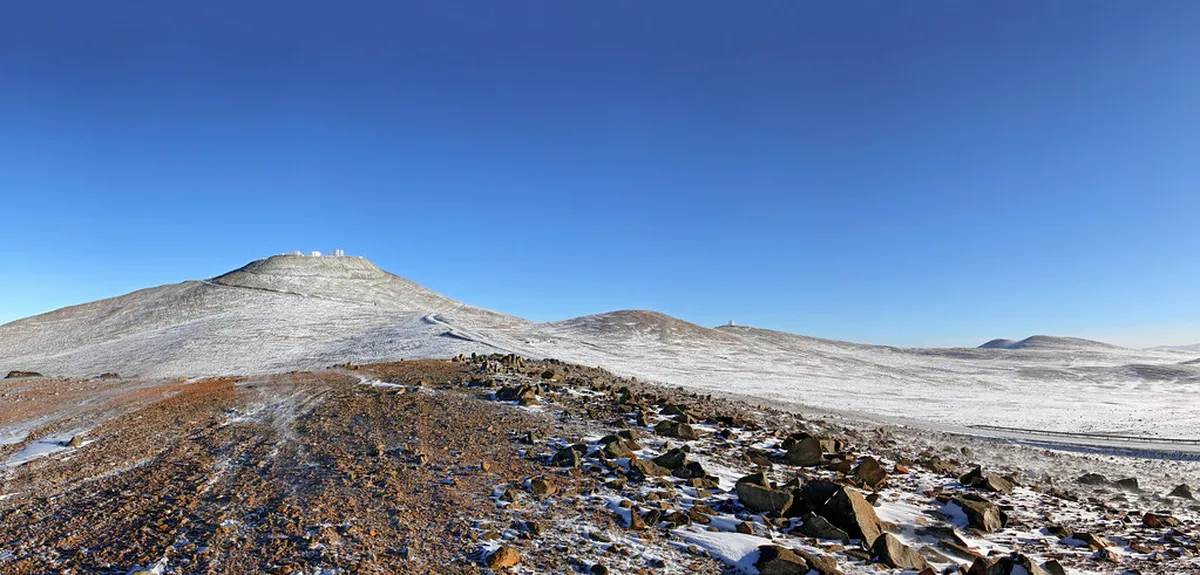
Peaks You Will See on a Cerro Frias Viewpoints Tour
El Calafate is the gateway to some of the world's most dramatic landscapes. Many travelers wonder which mountains are visible from Cerro Frias before booking an excursion. This lone hill offers a 360-degree view that is hard to beat. From the summit, you can see deep into the heart of the Andes. You will spot glaciers, massive lakes, and granite spires. A Cerro Frias viewpoints tour is the best way to see it all. These tours are perfect for those who want big views with little effort. You can explore the area by 4x4, horse, or on foot.
Which mountains are visible from Cerro Frias?
The summit of Cerro Frias provides a panoramic window into the Southern Patagonian Ice Field. On a clear day, the horizon is filled with world-famous peaks. Here are the top mountains and sights you can see.
- Quick Pick: Best for Icons - Mount Fitz Roy and Mount Torre.
- Quick Pick: Best for Nature - The Southern Patagonian Ice Field.
- Quick Pick: Best for Families - 4x4 Mountain Excursions.
- Quick Pick: Best Rainy-Day - Glaciarium Museo del Hielo.
-
Name: Mount Fitz Roy
Type: Iconic sight
Why go: It is the most famous peak in the region.
Best for: Photographers and mountaineering fans.
Where: North toward El Chaltén.
Time: Visible throughout the summit stay.
Cost: Included in tour price.
Getting there: Look North-West from the 1,030m summit.
Tip: Look for the distinct jagged shape even from 200km away. -
Name: Mount Torre
Type: Iconic sight
Why go: Known for its impossibly steep granite spire.
Best for: Seeing rare geological formations.
Where: Next to Fitz Roy.
Time: 20-30 minutes of viewing.
Cost: Included in tour.
Getting there: Best seen from the northern ridge of Cerro Frias.
Tip: This needle-like peak is often shrouded in clouds. -
Name: Mount Mayo
Type: Nature/Viewpoint
Why go: It marks the edge of the great ice field.
Best for: Understanding glacial geography.
Where: West toward the Chilean border.
Time: Permanent view from the top.
Cost: N/A.
Getting there: Part of the standard best 4x4 mountain tours in El Calafate.
Tip: Use binoculars to see the hanging glaciers on its slopes. -
Name: Perito Moreno Glacier
Type: Iconic sight
Why go: It is a massive UNESCO World Heritage site.
Best for: Seeing the scale of the ice.
Where: Across the Brazo Rico of Lake Argentino.
Time: 15 minutes of spotting.
Cost: Park fees apply if entering the glacier area.
Getting there: Head West from the summit.
Tip: You see the glacier from a distance, not the face. -
Name: Glaciarium Museo del Hielo
Type: Museum/Indoor
Why go: Learn about ice before seeing it.
Best for: Cold weather days.
Where: At the base of the Cerro Frias road.
Time: 1.5 hours.
Cost: Moderate entry fee.
Getting there: Shuttle from town or tour drop-off.
Tip: Visit the official site to check ice bar hours. -
Name: Estancia Alice
Type: Local Experience
Why go: It is a historic Patagonian ranch.
Best for: Learning about local culture.
Where: The lower slopes of Cerro Frias.
Time: 2-4 hours.
Cost: Varies by tour type.
Getting there: Tours depart from the ranch house.
Tip: The sunset dinner here is highly recommended. -
Name: Mount Norte
Type: Viewpoint/Nature
Why go: It guards the northern shore of Lake Argentino.
Best for: Deep blue lake photos.
Where: Northeast of the summit.
Time: 10-15 minutes.
Cost: Free with tour.
Getting there: Look across the main body of the lake.
Tip: The water color looks different from here than from town. -
Name: Mount Stokes
Type: Nature/Distance
Why go: It is a massive peak shared with Chile.
Best for: Seeing the international border range.
Where: Far Southwest.
Time: Visible on clear days.
Cost: N/A.
Getting there: Scan the horizon south of the main glacier area.
Tip: This peak is very close to Torres del Paine. -
Name: Mount Bolados
Type: Nature
Why go: It is one of the closest neighbors to Cerro Frias.
Best for: Seeing local tectonic folds.
Where: Directly adjacent to the ranch.
Time: Throughout the ascent.
Cost: N/A.
Getting there: Visible during the 4x4 climb.
Tip: Look for Condors nesting on its rocky cliffs. -
Name: Mount Cristal
Type: Nature
Why go: It is a beautiful, snow-capped local peak.
Best for: Hikers looking for nearby challenges.
Where: South side of the property.
Time: Constant view during descent.
Cost: N/A.
Getting there: Visible from the horse riding trails.
Tip: The peak reflects morning light perfectly in autumn.
Choosing Your Cerro Frias Viewpoints Tour
There are three main ways to reach the spots where these mountains are visible. The 4x4 tour is the most popular choice. It is fast and comfortable for all ages. Drivers take you up steep tracks that normal cars cannot handle. This allows you to reach the 1,030-meter summit quickly.
If you prefer a slower pace, horse riding is a great option. Patagonian horses are sturdy and calm. You will ride through the valley and up the slopes. This experience feels more authentic to the ranch lifestyle. It takes about two hours to reach the middle viewpoints.
Trekking is for those who want a physical challenge. The hike is not technical but it is quite steep. You will see plenty of wildlife like Guanacos and Rheas. Make sure to wear windproof clothing. The wind in the Los Glaciares National Park area is legendary.
Best Timing for Local Mountain Views
Visibility changes throughout the day in Patagonia. Morning tours often have the calmest winds. This is when the sun hits the face of the Andes. You will get the best colors for your photos. The air is often crisp and very clear.
Afternoon tours are better for seeing the Perito Moreno Glacier. The sun moves behind you, lighting up the ice field. However, the wind often picks up after noon. In 2026, winter tours may have limited access. Always check the weather forecast on the official town site before booking.
Spring and autumn offer the most dramatic sky colors. In October and November, you might see snow on the lower peaks. April brings deep red and orange leaves to the shrubs. No matter the season, the views are world-class. You will truly understand the scale of the Patagonian wilderness.
Frequently Asked Questions
Exactly which mountains are visible from Cerro Frias on a clear day?
On a clear day, you can see Mount Fitz Roy and Mount Torre to the north. To the west, you will see Mount Mayo, Mount Agassiz, and the Southern Patagonian Ice Field. You can also spot Mount Stokes and Mount Daudet near the Chilean border.
Do I need a guide to see the Cerro Frias viewpoints?
Yes, Cerro Frias is located on private ranch land at Estancia Alice. You must book a tour to access the peak and его viewpoints. Most tours include transport from El Calafate and a guide who explains the geography and history.
Cerro Frias is the perfect introduction to the mountains of El Calafate. It offers a unique perspective that you cannot get from the glacier walkways. Whether you choose a 4x4, a horse, or your own feet, the reward is a breathtaking panorama. Remember to bring a camera and layers of clothing. For more ideas on what to do, check out our guide to top attractions near El Calafate. Enjoy your journey to the heart of Patagonia!
Official resources
Use these sources for official schedules, tickets, routes, and updates.
- Municipalidad de El Calafate — Official municipal website.
- Visit Argentina — National tourism board.
- UNESCO World Heritage Centre — Official UNESCO listing for Los Glaciares.
- Lonely Planet — Major editorial travel guide.
- Administración de Parques Nacionales — Official national park management.
- Santa Cruz Patagonia Tourism — Provincial tourism authority.