
Current Iguazu Falls Boat Ride Prices and Budget Tips
Knowing the current Iguazu falls boat ride prices is essential for any traveler heading to Puerto Iguazú. This world-renowned attraction offers a thrilling way to experience the water's power. Visitors often wonder how much they should budget for this specific excursion. In 2026, prices reflect both local inflation and global tourism trends in Argentina. This guide breaks down every cost to help you plan your finances. You will find details on ticket types, park fees, and daily spending levels. Prepare yourself for an unforgettable journey into the mist.
Understanding Iguazu Falls Boat Ride Prices
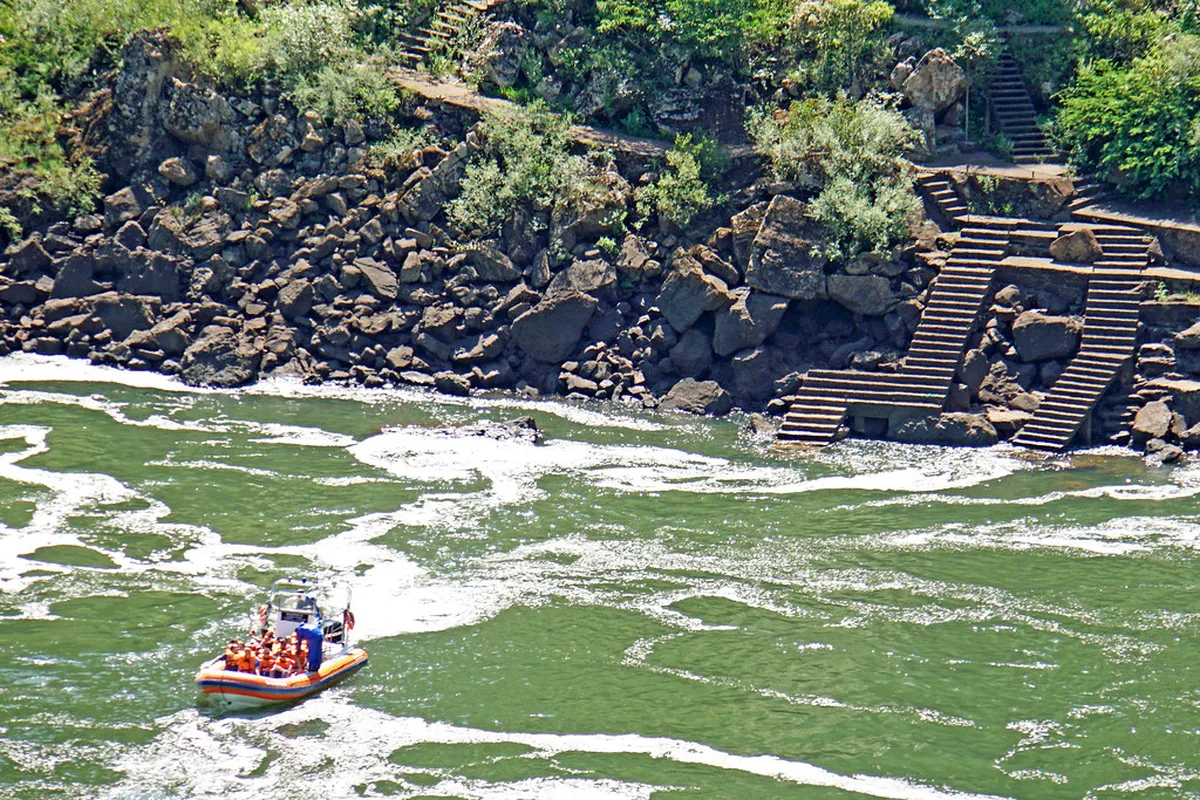
The primary boat experience on the Argentine side is the Gran Aventura. This tour combines a jungle truck ride with a high-speed boat approach. Current Iguazu falls boat ride prices for this package range between $65 and $85 USD. Factors like residency status and age can influence the final cost. Most tourists book these Iguazu Falls Argentina side tours in advance for better availability.
You can purchase tickets at the national park entrance or at booths near the visitor center. It is often safer to book online through the official operator to secure your time slot. The boat ride takes you directly under the falls, so expect to get completely soaked. Waterproof dry bags are usually provided to protect your electronics and passports. Please note that children under 12 are generally not allowed on this specific high-speed boat ride.
If you prefer a calmer experience, look for the ecological rowing tours. These are significantly cheaper, often costing around $20 to $30 USD. These tours focus on the upper delta flora and fauna rather than the splash zones. Always check the Administración de Parques Nacionales website for the latest official park entry fees. Entry fees are separate from the boat ride costs and must be paid in local currency or by card.
Daily Travel Budgets for Puerto Iguazú
Planning your daily spend helps you avoid financial stress in Puerto Iguazú. Costs vary depending on your choice of accommodation and dining style. The table below outlines three common budget levels for visitors in 2026. These figures include one boat ride and standard park entry.
| Category | Budget (USD) | Mid-Range (USD) | Comfort/Luxury (USD) |
|---|---|---|---|
| Lodging | $15 - $25 | $50 - $90 | $150 - $350 |
| Food & Drink | $12 - $20 | $30 - $55 | $70 - $120 |
| Transport | $5 - $10 | $15 - $30 | $40 - $80 |
| Attractions | $85 - $100 | $95 - $120 | $150 - $250 |
| Daily Total | $117 - $155 | $190 - $295 | $410 - $800 |
The "Assumptions" for these budgets include one day spent inside the national park. The low-budget tier assumes hostel dorms and using the public bus. The mid-range tier includes a private hotel room and some taxi use. The luxury tier accounts for 5-star resorts and private guided transfers. Note that these estimates exclude international or domestic airfare to get to Misiones.
Factors That Impact Your Trip Expenses
Several factors can cause your actual costs to vary from these estimates. Seasonality plays a massive role in hotel and flight pricing in Argentina. Peak seasons include January, February, and the Easter holiday weeks. During these times, demand for top attractions near Puerto Iguazu spikes significantly. Booking at least three months in advance can save you roughly 20% on lodging.
Exchange rates in Argentina are historically volatile. The gap between official and unofficial rates can change your effective spending power. Many travelers use the "Blue Dollar" or MEP exchange rates to maximize their budget. Also, check the distance of your hotel from the town center. Staying far from the bus terminal may increase your local transport costs significantly. Choosing a central location often pays for itself through cheaper transit options.
Weather conditions can also impact your itinerary and costs. Heavy rain may temporarily close certain walkways like the Garganta del Diablo walkway. If a closure occurs, you might end up spending more on alternative tours or museum visits. Always keep a small buffer in your budget for unexpected changes in park access. Flexibility is key when dealing with natural wonders and tropical climates.
Money-Saving Tips for Your Falls Adventure
You can reduce your total spend by using the public bus system. The "Rio Uruguay" bus runs every 20 minutes from the town terminal to the park. This costs a fraction of a private taxi or ride-share service. For food, visit the local supermarkets in Puerto Iguazú to pack a lunch. Food inside the national park is pricey and often limited in variety. Bringing your own water bottle is another easy way to save a few dollars daily.
Check if you can get a second-day discount at the park entrance. If you validate your ticket before leaving, the second consecutive day is often half-price. This is great for visiting smaller spots like Iguazu jungle safari excursions on day two. Credit cards are widely accepted, but cash often gets you better deals at small shops. Always compare the exchange rate offered by the merchant versus the bank.
Avoid the "tourist menus" located right next to major landmarks. Walk a few blocks away from the main Hito Tres Fronteras area to find local parrillas. These local steakhouse spots offer better quality meat at much lower prices. Also, consider visiting free or low-cost sites like the Puerto Iguazú town center during your downtime. Exploring the river views can be just as rewarding as the paid tours.
Sample Daily Plan: The Adventure Seeker
A typical high-energy day starts early at the Puerto Iguazú bus terminal. Catch the 7:30 AM bus to reach the national park before the crowds. Once inside, head straight to the lower circuit to book your boat ride time. Taking the morning boat slot helps you avoid the intense afternoon heat. After your boat ride, change into dry clothes and enjoy your packed lunch near the station.
Spend the afternoon exploring the upper circuit and the Devil's Throat. These walkways provide different perspectives on the water's immense scale. If you have energy left, stop by the duty free shop Puerto Iguazu on your way back. This is a popular spot for picking up international goods at tax-free prices. Finish your day with a local craft beer in the city center to toast your adventure.
Frequently Asked Questions
Can I pay for the boat ride in US dollars?
Most operators accept US dollars, but you will likely receive a poor exchange rate. It is better to pay in Argentine Pesos or use a credit card. Check the current rates on the Visit Iguazu portal before you arrive.
Is the boat ride worth the price?
Most travelers consider the Gran Aventura boat ride a highlight of their trip. The experience of being close to the falls is unique and powerful. If you are on a strict budget, the views from the walkways are still spectacular.
What is the age limit for the boat tour?
Children must be at least 12 years old for the Gran Aventura boat ride. This is due to safety regulations and the intensity of the water. Families with younger children should choose the ecological rowing tours instead.
Budgeting for Iguazu falls boat ride prices requires a mix of planning and flexibility. For a standard 2026 trip, expect a daily cost between $117 and $295 depending on your comfort. Remember to account for park entry fees, local transport, and meals. By using the public bus and packing your own snacks, you can easily lower your expenses. Explore the top attractions near Puerto Iguazu to make the most of your time in Misiones. Start booking your adventure today to see one of the world's greatest natural wonders.
Official resources
Use these sources for official schedules, tickets, routes, and updates.
- Visit Iguazú — unverified: Official city tourism board.
- Municipalidad de Puerto Iguazú — unverified: Official municipal portal.
- Visit Argentina — unverified: National tourism board.
- UNESCO World Heritage Centre — unverified: International heritage authority.
- Lonely Planet — unverified: Major editorial travel guide.
- Administración de Parques Nacionales — unverified: National park authority.