
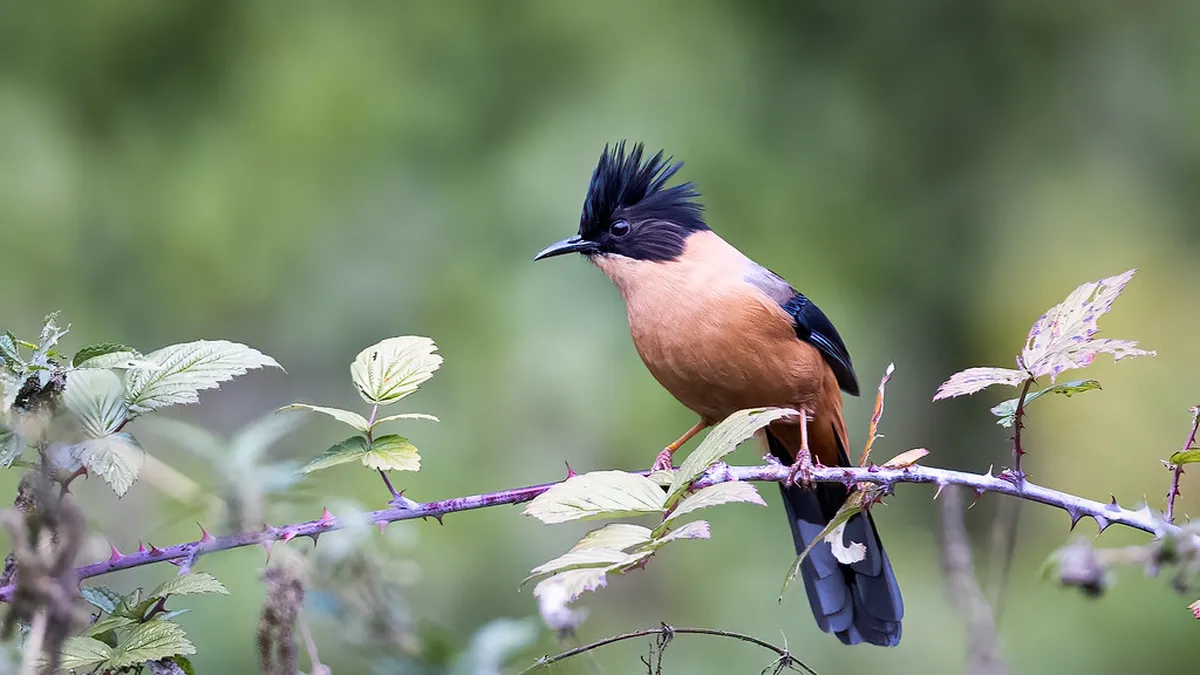
Top Wildlife Species Found at GüiráOga Puerto Iguazú Wildlife Center
Nature lovers visiting Misiones should not miss the wildlife species found at GüiráOga Puerto Iguazú wildlife center. This unique sanctuary sits right on the edge of the famous national park. Unlike a traditional zoo, this center focuses on rescue and rehabilitation. Many animals here were victims of illegal trafficking or accidents. Visiting helps support their recovery and eventual release back into the wild. It is one of the most educational top attractions near Puerto Iguazú for families and solo travelers alike.
What is the GüiráOga Animal Refuge?
GüiráOga translates to "the house of the birds" in the local Guaraní language. The center is located within a protected area of the Atlantic Forest. This ecosystem is highly biodiverse but also very threatened. Experts at the center work tirelessly to heal injured animals. They provide a safe space for creatures that can no longer survive alone.
When you visit, you walk through large enclosures built into the natural forest. The paths are shaded by towering trees and thick vines. This allows the residents to live in a setting similar to their natural habitat. Travelers often combine this visit with Iguazu Falls Argentina side tours for a full nature experience. It is a peaceful place that highlights the importance of environmental stewardship in Argentina.
10 Wildlife Species Found at GüiráOga Puerto Iguazú Wildlife Center
Below are 10 remarkable animals you might encounter during your visit. Keep in mind that residents change based on who is currently being treated. Some are permanent residents, while others are just passing through for healing.
- Best overall: Harpy Eagle
- Best for families: Toco Toucan
- Best free sighting: Coatis (often roaming nearby)
- Best rainy-day: The museum and nursery areas
-
Name: Harpy Eagle
Type: Bird of prey
Why go: To see one of the world's most powerful eagles up close.
Best for: Bird watchers and photography enthusiasts.
Where: Specialized large flight cages.
Time: 15 minutes.
Cost: Included in entry.
Getting there: Internal tractor tour.
Tip: Look for their massive talons, which are larger than grizzly bear claws. -
Name: Toco Toucan
Type: Bird
Why go: These birds are iconic symbols of the South American rainforest.
Best for: Everyone, especially children.
Where: Forested aviaries.
Time: 10 minutes.
Cost: Included in entry.
Getting there: Walking path.
Tip: Listen for their unique clicking sounds as they move between branches. -
Name: Southern Tamandua
Type: Mammal
Why go: This lesser anteater has a fascinating prehensile tail for climbing.
Best for: People interested in unique evolutionary traits.
Where: Arboreal enclosures.
Time: 10 minutes.
Cost: Included in entry.
Getting there: Guided walking tour.
Tip: These animals are often sleepy during midday, so look high in the trees. -
Name: Howler Monkey
Type: Primate
Why go: Known for their incredibly loud vocalizations that carry for miles.
Best for: Hearing the sounds of the jungle.
Where: Upper canopy enclosures.
Time: 15 minutes.
Cost: Included in entry.
Getting there: Central circuit.
Tip: If you hear a deep roar, it is likely a male howler marking his territory. -
Name: Ocelot
Type: Wild cat
Why go: See the stunning spotted patterns of this medium-sized feline.
Best for: Mammal lovers.
Where: Low-light forest enclosures.
Time: 10 minutes.
Cost: Included in entry.
Getting there: Follow the guide on the tractor path.
Tip: Ocelots are very good at camouflaging, so look closely at the shadows. -
Name: Red-and-Green Macaw
Type: Bird
Why go: Their vibrant colors are breathtaking against the green forest backdrop.
Best for: Vibrant photography.
Where: Large social aviaries.
Time: 15 minutes.
Cost: Included in entry.
Getting there: Walking trail.
Tip: Watch how they use their powerful beaks to crack open hard nuts. -
Name: South American Coati
Type: Mammal
Why go: They are curious, social animals with long, ringed tails.
Best for: Cute animal encounters.
Where: Ground-level enclosures and wild areas.
Time: 5 minutes.
Cost: Included in entry.
Getting there: Entrance paths.
Tip: Do not feed any wild coatis that approach you near the entrance. -
Name: Brown Capuchin Monkey
Type: Primate
Why go: These monkeys are highly intelligent and often very active.
Best for: Seeing social animal behavior.
Where: Playful forest cages.
Time: 15 minutes.
Cost: Included in entry.
Getting there: Guided walk.
Tip: Notice how they use tools and explore their environment with high curiosity. -
Name: Crested Caracara
Type: Bird of prey
Why go: An unusual falcon that spends much of its time walking on the ground.
Best for: Learning about diverse raptor behavior.
Where: Open-air enclosures.
Time: 5 minutes.
Cost: Included in entry.
Getting there: Main trail.
Tip: Compare their long legs with other hawks to see their walking adaptation. -
Name: Brocket Deer
Type: Mammal
Why go: See these small, shy deer that are rarely spotted in the wild.
Best for: Fans of peaceful forest creatures.
Where: Secluded leafy pens.
Time: 10 minutes.
Cost: Included in entry.
Getting there: Final walking loop.
Tip: Move quietly near their enclosure to avoid startling these timid animals.
Planning Your GüiráOga Animal Refuge Tours
To see these species, you must take part in the scheduled guided tours at GüiráOga animal refuge Puerto Iguazú Argentina. The experience starts with a ride on a tractor-pulled trailer. This takes you deep into the forest where the enclosures are hidden. After the ride, a professional guide leads you on foot through the various sections. They explain the history of each animal and the challenges they face.
You should allow at least two hours for the full visit. Tours depart regularly, but checking the schedule on the Visit Iguazú portal is a good idea. Wear comfortable walking shoes and bring insect repellent. The paths are well-maintained, but you are still in a humid jungle environment. Tickets can usually be purchased at the entrance or via official GüiráOga animal refuge tours providers.
Conservation and Visiting Tips for 2026
When looking for wildlife species found at GüiráOga Puerto Iguazú wildlife center in 2026, keep respect at the forefront. The animals here are recovering from trauma. Please keep your voice low and avoid tapping on the enclosures. Photography is allowed, but you should never use a flash. High-speed flashes can distress the animals, especially the nocturnal species and sensitive birds.
Visiting early in the morning is highly recommended for the best experience. This is when many birds and monkeys are most active and vocal. If you want to support their work further, check the gift shop near the exit. Profits from merchandise go directly toward medical supplies and food for the animals. You can also find more information about the local ecosystem on the Administración de Parques Nacionales website. Supporting these efforts ensures that future generations can also enjoy Argentina's incredible biodiversity.
Frequently Asked Questions
Can I hold or pet the animals at GüiráOga?
No, direct contact with animals is strictly prohibited. GüiráOga is a rehabilitation center, not a petting zoo. The goal is to minimize human contact. This helps the animals remain wild enough to be successfully released back into their natural habitat once they have fully recovered.
How do I get to GüiráOga from Puerto Iguazú?
You can easily reach the center by taking a taxi or the local bus. The bus heading toward the National Park stops right at the entrance. It is located on National Route 12. Most rides from the city center take about 10 to 15 minutes.
Are there jaguars at GüiráOga?
While jaguars live in the surrounding jungle, they are rarely kept at the refuge unless they need medical care. The center focuses more on smaller mammals and birds like ocelots and eagles. Always check the current resident list when you arrive for the latest updates.
Exploring the wildlife species found at GüiráOga Puerto Iguazú wildlife center is a rewarding experience. It provides a deep look at the beauty and fragility of the Atlantic Forest. By choosing to visit, you contribute to vital conservation work in Argentina. After your tour, consider visiting the Hito Tres Fronteras landmark for a great sunset view. Enjoy your wild adventure in Puerto Iguazú!
Official resources
Use these sources for official schedules, tickets, routes, and updates.
- Visit Iguazú — unverified: Official city tourism board.
- Municipalidad de Puerto Iguazú — unverified: Official municipal portal.
- Visit Argentina — unverified: National tourism board.
- UNESCO World Heritage Centre — unverified: International heritage authority.
- Lonely Planet — unverified: Major editorial travel guide.
- Administración de Parques Nacionales — unverified: National park authority.