
Silversmith Workshops in San Antonio de Areco: A Craft Guide
San Antonio de Areco is the spiritual heart of Argentina's gaucho culture. Many travelers book a day trip from Buenos Aires to see this town. The main draw is the incredible silversmith workshops in San Antonio de Areco. Here, master artisans hammer raw metal into intricate works of art. This craft is known as Platería Criolla. It is a tradition passed down through generations. These workshops represent the pride and history of the Pampas region. Visitors can witness the patient work behind every knife and spur. Plan your journey to experience this living heritage firsthand.
Exploring Silversmith Workshops in San Antonio de Areco
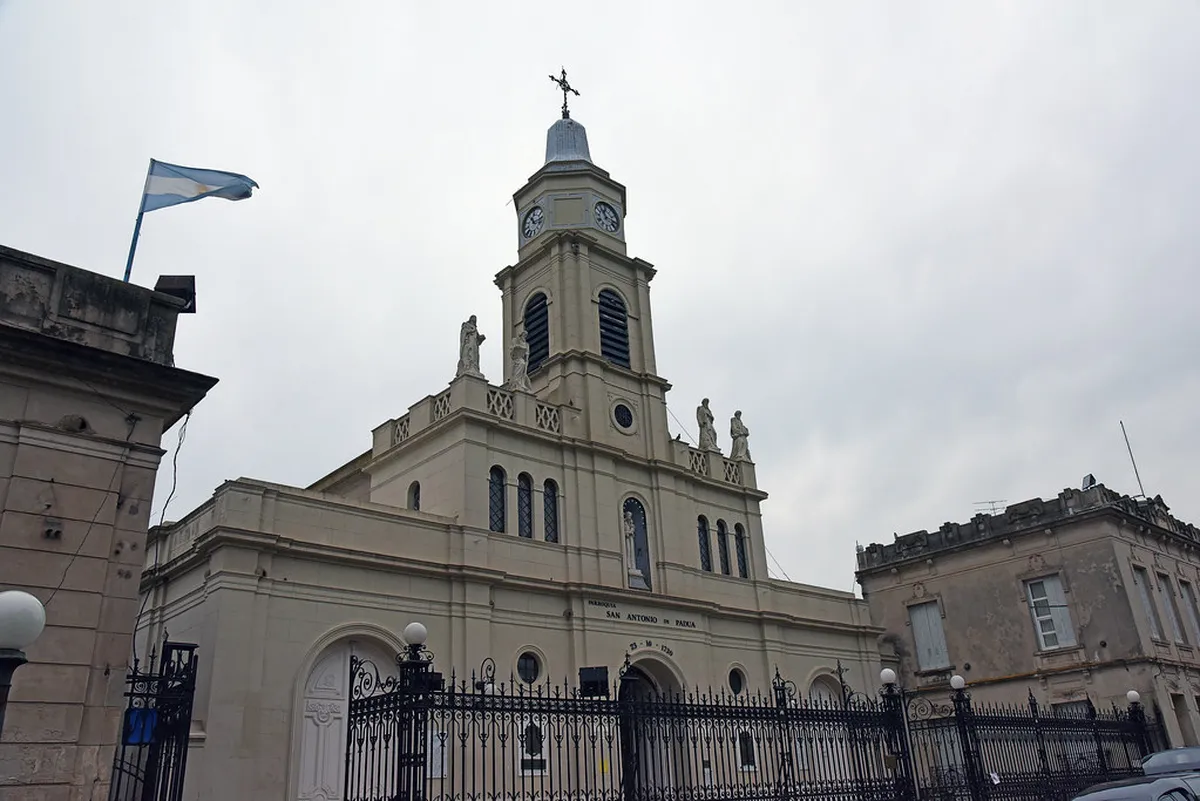
Walking through the cobblestone streets feels like stepping back in time. The city is famous for its preservation of colonial architecture and traditions. You will find that silversmithing is not just a job here. It is a prestigious art form. Most workshops are located in the historical center. They often double as family homes and showrooms.
The silversmiths, or 'plateros', focus on items used by the gauchos. This includes the 'facón' (large knife), silver-studded belts, and ornate horse gear. You will also see beautiful mate cups and bombillas for drinking tea. The local tourism board often recommends starting at the town square. This is where the most iconic ateliers are located.
Before you start your tour, here are some quick picks to guide your visit:
- Best overall experience: Museo de Platería Draghi.
- Best for high-end shopping: Taller de Gustavo Stagnaro.
- Best for history lovers: Museo Gauchesco Ricardo Güiraldes.
- Best for a unique look: Taller de Daniel Casataro.
12 Best Silversmith Workshops and Museums to Visit
This list features the most respected artisans and historical sites in town. Each location offers a unique perspective on the craft. Some are formal museums, while others are active work spaces. Be sure to respect the quiet environment of the working silversmiths.
-
Name: Museo de Platería Draghi
Type: Museum and Workshop
Why go: It is the most famous workshop in Argentina. The collection is breathtaking.
Best for: History and masterclass level art.
Where: Facing the main plaza (Plaza Ruiz de Arellano).
Time: 1-2 hours.
Cost: Small entry fee for the museum.
Getting there: Walk from any central hotel.
Tip: Check for guided tours at 11:00 AM. -
Name: Taller de Gustavo Stagnaro
Type: Workshop
Why go: Gustavo is a master of refined details. His shop feels like a high-end gallery.
Best for: Custom silver knives and elegant jewelry.
Where: Close to the main square.
Time: 30-45 minutes.
Cost: Free to visit; items are premium priced.
Getting there: Walk from the museum district.
Tip: Look for the hand-engraved mate cups. -
Name: Taller de Patricio Draghi
Type: Independent Atelier
Why go: Patricio carries on the family legacy with a modern touch. The workshop is very authentic.
Best for: Seeing the actual forge and tools.
Where: Historical center.
Time: 30 minutes.
Cost: Free to visit.
Getting there: Central walking distance.
Tip: Ask about the 'rastra' belt buckles. -
Name: Taller de Mariano Alesandro
Type: Workshop
Why go: Excellent craftsmanship focusing on traditional horse gear.
Best for: Equestrian enthusiasts.
Where: Near the Areco river area.
Time: 30-60 minutes.
Cost: Free.
Getting there: Walk toward the bridge area.
Tip: Perfect for high-quality leather and silver combinations. -
Name: Taller de Daniel Casataro
Type: Workshop
Why go: Known for его unique artistic style and friendly atmosphere.
Best for: Seeing a working artisan in a casual setting.
Where: Calle Alsina.
Time: 30 minutes.
Cost: Free.
Getting there: Follow the main walking tour route.
Tip: Daniel often explains the meaning of the patterns. -
Name: Taller de Marcelo Di Giacomo
Type: Workshop
Why go: Marcelo is highly respected for his technical precision.
Best for: Traditional 'criollo' knives.
Where: Calle Lavalle.
Time: 45 minutes.
Cost: Free.
Getting there: Walking distance from Plaza Arellano.
Tip: His work is often featured in national competitions. -
Name: Taller de Francisco Paco Soriano
Type: Artisan Workshop
Why go: A veteran artist with deep knowledge of gaucho lore.
Best for: Authentic Pampas storytelling while you browse.
Where: Historical center.
Time: 1 hour.
Cost: Free.
Getting there: Walkable from central locations.
Tip: Visit during the afternoon for a quieter experience. -
Name: Platería La Olla
Type: Retail and Workshop Display
Why go: A great place to see a wide variety of silver items in one spot.
Best for: Finding diverse gifts and souvenirs.
Where: Calle Segundo Sombra.
Time: 30 minutes.
Cost: Free.
Getting there: Central location.
Tip: They stock items from multiple local craftsmen. -
Name: Platería El Rebenque
Type: Workshop and Store
Why go: Specializes in silver work integrated with traditional leather.
Best for: Gaucho accessories.
Where: Downtown.
Time: 30 minutes.
Cost: Free entry.
Getting there: Walkable.
Tip: Great for high-quality belts. -
Name: Museo Gauchesco Ricardo Güiraldes
Type: Cultural Museum
Why go: It houses one of the finest silver collections in the country.
Best for: Understanding the context of silver in history.
Where: Across the Viejo Puente (Old Bridge).
Time: 2 hours.
Cost: Moderate entry fee.
Getting there: A 15-minute walk from the town center.
Tip: Read our full Güiraldes museum guide for more. -
Name: Estancia El Ombu de Areco
Type: Day Trip / Experience
Why go: Many best estancias near San Antonio de Areco host silversmithing demos.
Best for: A full gaucho immersion.
Where: 15 minutes outside of town.
Time: Full day.
Cost: High (includes lunch and activities).
Getting there: Private car or taxi.
Tip: Book in advance for the artisan demonstrations. -
Name: Centro Cultural y Museo Usina Vieja
Type: Regional Museum
Why go: It showcases the broader history of local industries, including silver.
Best for: Casual visitors who want local flavor.
Where: Calle Alsina and Matheu.
Time: 45 minutes.
Cost: Low entry fee.
Getting there: Walking distance from center.
Tip: Check the temporary exhibit hall for new artisans.
Understanding the Art of Platería Criolla
Platería Criolla is more than just jewelry. It defines the identity of the Argentine countryside. Master silversmiths use techniques like chiseling, soldering, and polishing. They often work with sterling silver or 'alpaca' (German silver). Every flower or leaf carved into a knife handle has meaning. The silver represents the wealth and status of the horseman.
These items gain global attention every November. This is during the Gaucho Tradition Festival. Artisans from all over the country gather here to show their skills. You will see incredible examples of silver work on the parade horses. The details are often microscopic. It takes years of practice to master these patterns.
When visiting silversmith workshops in San Antonio de Areco, look for the 'punzón'. This is the master's personal hallmark. It guarantees the piece was made by hand by that specific artisan. High-quality silver work will feel heavy and balanced. The engraving should be smooth to the touch. These pieces are intended to last for centuries as family heirlooms.
Essential Tips for Visiting Local Ateliers
Most workshops operate during standard business hours. However, many artisans take a 'siesta' between 1:00 PM and 4:00 PM. It is best to visit in the morning or early evening. If you see a closed door, do not hesitate to knock gently. Many silversmiths are happy to welcome curious travelers. They take great pride in explaining their process.
Remember that these are professional workspaces. Try to keep groups small to avoid crowding the forge. If you want to buy a custom piece, plan ahead. A bespoke knife can take several months to complete. Most shops can arrange international shipping if needed. Always ask for a certificate of authenticity for expensive items.
For a complete local experience, stop by a traditional pulpería after your tour. These old bars are where gauchos traditionally displayed their silver. You can enjoy a glass of wine and talk about your finds. It is the perfect way to end a day of cultural exploration. Make sure to carry some cash for smaller souvenir purchases.
Frequently Asked Questions
Can I buy silver directly from the workshops in San Antonio de Areco?
Yes, most workshops have a small showroom where you can purchase finished pieces. Items range from silver earrings to high-end knives. For custom work, you should contact the silversmith in advance as these pieces take significant time to craft.
Are the silversmith workshops in San Antonio de Areco open to the public for free?
Most active workshops are free to enter and browse. Some locations, like the Draghi Museum, charge a small fee for the museum section. It is customary to show interest in the craft and respect the artisan's working space during your visit.
What is the best time of year to visit silversmith workshops in San Antonio de Areco?
Spring (September to November) is ideal due to the mild weather and the Tradition Festival. However, workshops are open year-round. Visiting during the week is often better as the workshops are less crowded than on Saturdays and Sundays.
Visiting the silversmith workshops in San Antonio de Areco offers a rare look at timeless craftsmanship. Whether you are a collector or a casual traveler, the skill of these 'plateros' will amaze you. From the family legacy of the Draghi museum to the quiet ateliers of the side streets, there is much to discover. Don't forget to explore the Areco River park for a peaceful break between your workshop visits. Your journey through Argentina's silver heritage starts here. Support local artists and bring home a piece of history.
Official resources
Use these sources for official schedules, tickets, routes, and updates.
- Municipalidad de San Antonio de Areco — Official municipal government portal; unverified.
- San Antonio de Areco Turismo — Official city tourism board; unverified.
- Visit Argentina — National tourism board; unverified.
- Lonely Planet — Leading international travel guide; unverified.
- Universidad Nacional de San Antonio de Areco — Local public university; unverified.
- Argentina.gob.ar — Main federal government portal; unverified.
- Ministerio de Cultura Argentina — National ministry of culture; unverified.