
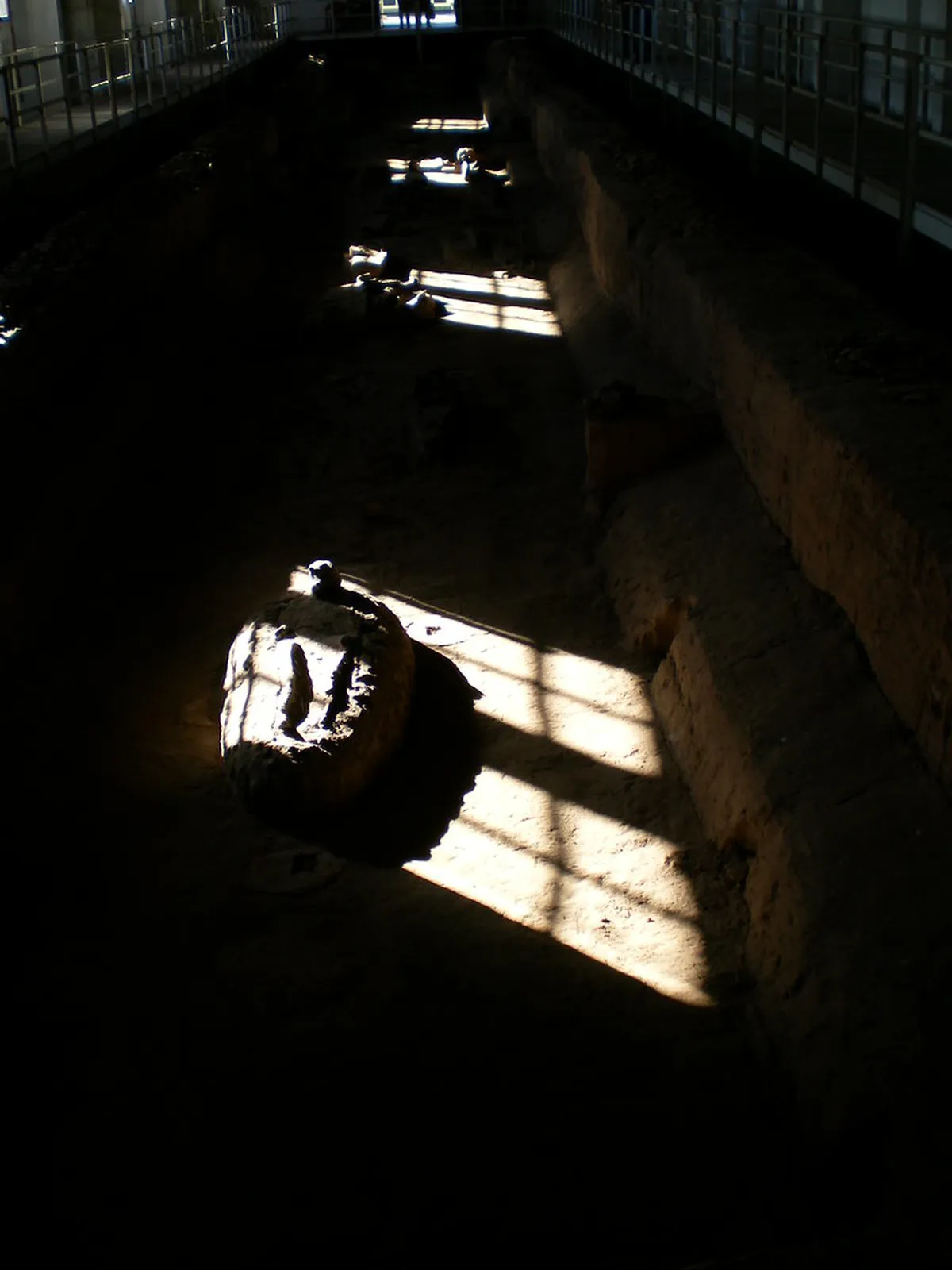
Exploring Santa Fe la Vieja Ruins: A Guide to Argentina’s Past
Discovering the Santa Fe la Vieja ruins allows you to step back into the sixteenth century. This site was the original location of Santa Fe city. It was founded in 1573 but later moved due to floods. Today, it stands as a massive archaeological park. Visitors find well-preserved foundations and fascinating stories of colonial life. It is located about 80 kilometers north of the modern capital. You can easily plan a full day exploring these hauntingly beautiful remains. This guide highlights the top things to do during your visit.
Planning Your Visit to Santa Fe la Vieja Ruins
Many travelers start their journey in the modern city of Santa Fe. To see the ruins, you must head to the town of Cayastá. The drive takes about one hour via Provincial Route 1. It is best to plan your visit to Santa Fe la Vieja ruins for early morning. The sun can be very strong in this region. The site covers a huge area of 70 hectares.
The park is a certified UNESCO Memory of the World candidate. You will see more than 70 excavated structures here. These include churches, public buildings, and wealthy residences. Staff provide guided tours to explain the site's abandonment. Make sure to wear comfortable walking shoes for the outdoor paths. A hat and sunscreen are essential for any outdoor visit here.
Before you go, check the official Turismo Santa Fe Provincia website for current hours. Entry fees are usually very affordable for international tourists. Most students and retirees get significant discounts at the gate. If you enjoy history, this site provides a rare look at Spanish colonial planning. The grid system used here influenced many cities across South America.
10 Essential Experiences at the Ruins and Nearby
When you visit the archaeological park, some spots stand out more than others. The site is a mix of quiet nature and heavy history. You should see both the primary ruins and the modern town of Cayastá. Do not miss the local museums that house recovered artifacts. Here are the top items for your itinerary:
-
Name: Church and Convent of San Francisco
Type: sight
Why go: It houses the tomb of founder Juan de Garay.
Best for: History buffs.
Where: Northern section of the park.
Time: 45 minutes.
Cost: Included in park entry.
Getting there: Walk from the visitor center.
Tip: Look for the well-preserved foundations of the main altar. -
Name: Archaeological Museum "Juan de Garay"
Type: museum
Why go: View pottery, tools, and weapons recovered from excavations.
Best for: Understanding colonial daily life.
Where: Site entrance.
Time: 1 hour.
Cost: Free with park ticket.
Getting there: First stop on the main path.
Tip: Read the displays about the indigenous groups who lived nearby. -
Name: The Central Plaza (Plaza de Armas)
Type: sight
Why go: This was the heart of the original 1573 city.
Best for: Photography and urban planning enthusiasts.
Where: Center of the excavated grid.
Time: 20 minutes.
Cost: Included in park entry.
Getting there: Follow the main circuit paths.
Tip: Imagine the city at its peak with 1,500 residents. -
Name: Residence of the Governor
Type: sight
Why go: See how the elite lived in the 17th century.
Best for: Architecture lovers.
Where: Near the plaza.
Time: 30 minutes.
Cost: Included in park entry.
Getting there: Walk along the marked sector 3.
Tip: Notice the thickness of the foundations used for protection. -
Name: Church of Santo Domingo
Type: sight
Why go: Less crowded than San Francisco but equally historic.
Best for: Quiet reflection.
Where: Southern edge of the ruins.
Time: 30 minutes.
Cost: Included in park entry.
Getting there: Scenic walk across the grassy site.
Tip: This area provides some of the best views of the river. -
Name: San Javier River Viewpoint
Type: viewpoint
Why go: See the water that caused the city's eventual relocation.
Best for: Nature views and birdwatching.
Where: Riverfront section of the park.
Time: 15 minutes.
Cost: Free.
Getting there: Path leading east from the plaza.
Tip: Bring binoculars for local river birds like kingfishers. -
Name: San José del Rincón
Type: day trip
Why go: A charming colonial-style town on the way back to the city.
Best for: Artisanal crafts and relaxed vibes.
Where: 20km north of Santa Fe city.
Time: 2 hours.
Cost: Free to walk around.
Getting there: Car or local bus via Route 1.
Tip: Read a San José del Rincón guide for the best cafes. -
Name: Convent of San Francisco (Modern Santa Fe)
Type: sight
Why go: This is where the religious order moved after the ruins.
Best for: Religious history.
Where: South of modern Santa Fe city.
Time: 1 hour.
Cost: Small donation suggested.
Getting there: Taxi or city bus from the center.
Tip: Visit the Convent of San Francisco to see relics moved from Cayastá. -
Name: Suspension Bridge
Type: iconic sight
Why go: The most famous landmark of the modern Santa Fe capital.
Best for: Evening strolls.
Where: Connecting the city to the lagoon area.
Time: 45 minutes.
Cost: Free.
Getting there: Driving back from the ruins towards the city.
Tip: Cross the Suspension Bridge at sunset for the best photos. -
Name: Cayastá Town Center
Type: neighborhood
Why go: Experience the modern town that grew next to the ruins.
Best for: Local lunch and regional fish dishes.
Where: Just outside the archaeological park.
Time: 1 hour.
Cost: Price of a meal.
Getting there: Walking distance from the park exit.
Tip: Order the fried Surubí, a local river fish delicacy.
Practical Tips for Exploring Cayastá
When visiting the Santa Fe la Vieja ruins, timing is everything. The park is most enjoyable during the autumn or spring months. In summer, temperatures often exceed 35 degrees Celsius. If you must go in summer, visit right when they open. Always check if there are top attractions near Santa Fe you can visit on the same day. Many people combine the ruins with a late afternoon river tour.
Insect repellent is non-negotiable for this trip. The river setting means mosquitoes and other bugs are common. Many areas of the site are exposed to the wind. A light windbreaker can be helpful even on warm days. Most visitors spend about three to four hours inside the park grounds. This gives you enough time to see the museum and the main structures.
For those interested in regional history, consider visiting the Santa Fe Wikipedia page first. It provides context on the moving of the city in 1660. The original residents spent years transporting every stone to the new location. Seeing the ruins makes you realize how difficult that journey was. If you do not have a car, buses leave from the Santa Fe terminal regularly. Look for the company "El Norte" or similar local lines.
Frequently Asked Questions
How do I get from Santa Fe City to Santa Fe la Vieja ruins?
You can take a car or bus from modern Santa Fe city. Head north on Provincial Route 1 for about 80 kilometers. The bus ride takes approximately 90 minutes. Many local transport companies at the main bus terminal offer daily routes to Cayastá town.
Are the Santa Fe la Vieja ruins open every day?
The archaeological park usually opens Tuesday through Sunday. It is often closed on Mondays for maintenance and research. Standard hours are usually from 9:00 AM until late afternoon. Always check official provincial tourism websites before your trip to confirm specific holiday closures.
Is it worth visiting the Santa Fe la Vieja ruins if I'm not a historian?
Absolutely. The park offers a scenic outdoor experience along the San Javier River. The museum features interactive displays that make the story engaging for all ages. It is a great way to see the Argentine countryside while learning about the region's colonial foundations.
Visiting the Santa Fe la Vieja ruins is a highlight of any trip to central Argentina. The site successfully preserves a vital piece of the nation's colonial history. From the museum artifacts to the river views, there is something for everyone. Make sure to explore the nearby town of Cayastá for a complete experience. After your visit, you can head back to the city to see other top attractions near Santa Fe. This blend of old and new makes the region truly special for travelers in 2026.
Official resources
Use these sources for official schedules, tickets, routes, and updates.
- Santa Fe Ciudad — unverified: official municipal government portal
- Turismo Santa Fe Provincia — unverified: official provincial tourism board
- Argentina.gob.ar — unverified: national government portal
- Lonely Planet — unverified: major editorial travel guide
- Universidad Nacional del Litoral — unverified: primary public university in the city
- Provincia de Santa Fe — unverified: provincial government portal