
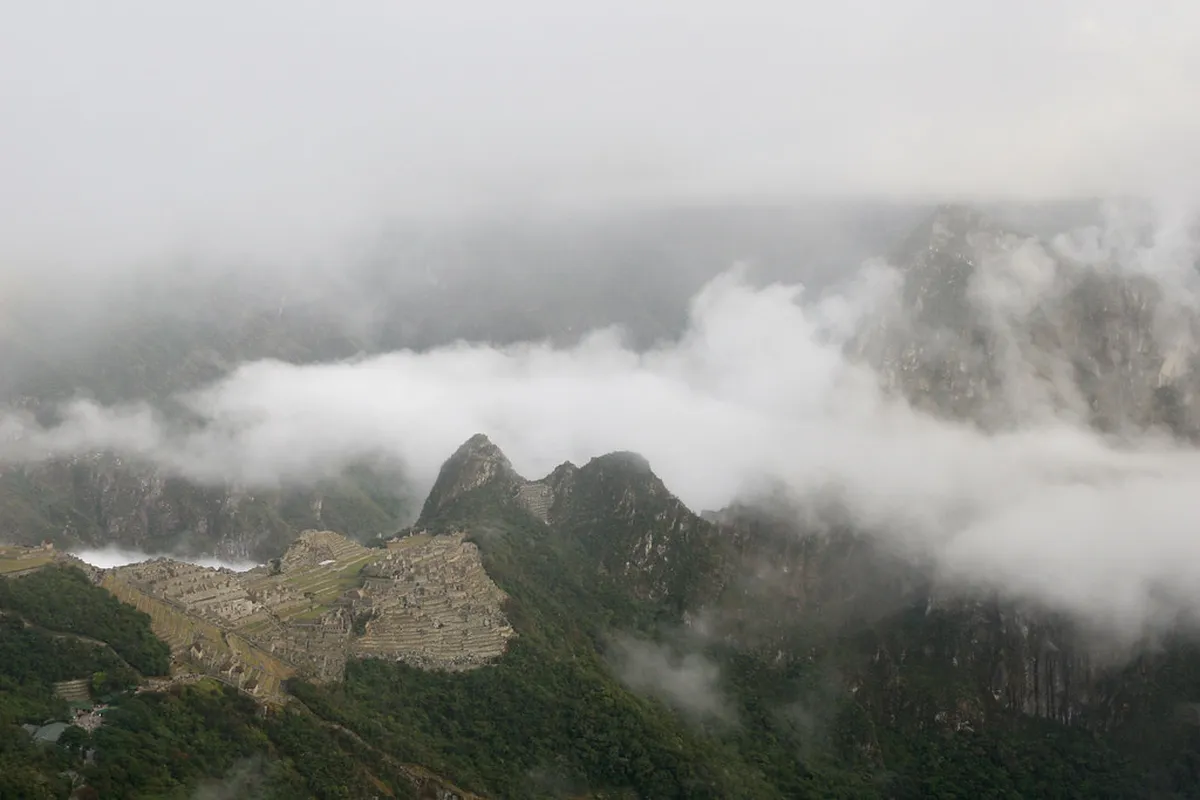
Top Inca Trail Sun Gate Sunrise Photography Tips
Capturing the golden hour at the Sun Gate is a dream for many. This spot offers a unique view of the Machu Picchu citadel. For those hiking to Sun Gate, timing is everything. You need to prepare for low light and rapidly changing weather. These Inca Trail Sun Gate sunrise photography tips will help you succeed. We will cover the best spots and specific gear needs. Your journey begins in the town of Aguas Calientes. From there, the magic of the Andes awaits your camera lens.
Essential Preparation for Sun Gate Photography
A successful shoot starts with the right equipment. Bring a sturdy, lightweight tripod for long exposures at dawn. The light is very low before the sun peaks over the mountains. Use a wide-angle lens to capture the vast landscape of the citadel. A circular polarizer can help reduce glare on the green terraces later.
Protect your gear from moisture and high humidity. The cloud forest often creates mist that can fog your lenses. Carry microfibre cloths in easy-to-reach pockets. Keep your batteries warm in an inner pocket during the cold morning hike. Cold temperatures can drain power quickly near the summit.
Check the rules for camera equipment before you depart. The UNESCO World Heritage Centre site has specific regulations. Large professional tripods or drones may require special permits. Most travelers find that high-end mirrorless cameras work best here. Ensure you have plenty of storage space on your memory cards.
10 Key Inca Trail Sun Gate Sunrise Photography Tips
Use these specific locations and techniques to improve your portfolio. Each spot offers a different angle for sunrise light. Wondering how long to hike the Sun Gate? Plan for roughly two hours to reach the best spots before dawn.
-
Name: Inti Punku (Sun Gate)
Type: Sight
Why go: This is the first spot where the sun hits the citadel.
Best for: Wide landscapes and light rays.
Where: High above the Machu Picchu citadel.
Time: 1-2 hours of shooting.
Cost: Included in site permit.
Getting there: A steep uphill hike from the main ruins.
Tip: Wait for the "V" shaped morning light between the peaks. -
Name: Guardhouse Overlook
Type: Viewpoint
Why go: This offers the classic "postcard" view of the ruins.
Best for: Traditional travel photography.
Where: The upper terrace of Machu Picchu.
Time: 45 minutes.
Cost: Standard entrance fee.
Getting there: Follow the upper circuit path.
Tip: Position your camera high to avoid crowds in the frame. -
Name: Funerary Rock Hut
Type: Experience
Why go: The stone walls provide amazing texture in early light.
Best for: Foreground interest and framing ruins.
Where: Near the Guardhouse.
Time: 30 minutes.
Cost: Free with entry.
Getting there: Walk 10 minutes from the entry gate.
Tip: Use the dark stone to contrast with the bright morning sky. -
Name: Wiñay Wayna Ruins
Type: Sight
Why go: It features stunning agricultural terraces rarely seen by day-trippers.
Best for: Drone-like perspectives of Inca architecture.
Where: On the classic 4-day Inca Trail.
Time: 1 hour.
Cost: Part of Inca Trail trekking permits.
Getting there: Hike 5 miles from the gate.
Tip: Shoot the terraces when they are partially in shadow. -
Name: Phuyupatamarca Viewpoint
Type: Experience
Why go: It is often called the "Town Above the Clouds."
Best for: Cloud forest layers and mountain peaks.
Where: High-altitude camp on the Inca Trail.
Time: 2 hours at sunrise.
Cost: Included in trail permit.
Getting there: Day 3 of the classic trek.
Tip: Use a telephoto lens to compress the mountain layers. -
Name: The Watchman’s Hut
Type: Sight
Why go: This provides a sheltered spot with a clear view of Huayna Picchu.
Best for: Framing the peak during the first light.
Where: Upper sector of the ruins.
Time: 30 minutes.
Cost: Included in site ticket.
Getting there: 15-minute hike from the entrance.
Tip: Arrive at the hut exactly at 6:00 AM. -
Name: Machu Picchu Mountain Summit
Type: Activity
Why go: It is the highest viewpoint available to hikers.
Best for: Aerial-style shots and panoramic views.
Where: Opposite Huayna Picchu.
Time: 3-4 hours round trip.
Cost: Separate permit required ($20-$30).
Getting there: Steep climb from the lower citadel.
Tip: Carry very little gear to maintain your energy. -
Name: Putucusi Mountain
Type: Experience
Why go: It offers a unique side-on view of the Sun Gate.
Best for: Adventurous photographers seeking vertical angles.
Where: Across the river from Aguas Calientes.
Time: 3 hours for the hike.
Cost: Free.
Getting there: Hike from the railroad tracks.
Tip: Check ladder conditions before you begin the climb. -
Name: Mandor Garden Waterfalls
Type: Nature
Why go: Soft morning light is perfect for water shots.
Best for: Long exposure and nature macros.
Where: Walking distance from Aguas Calientes.
Time: 2 hours.
Cost: 10-20 Soles.
Getting there: Walk 40 minutes along the train tracks.
Tip: Use a ND filter for silky water effects. -
Name: Intihuatana Stone
Type: Sight
Why go: The sun's alignment with this stone is historically significant.
Best for: Detail shots of ancient carvings.
Where: Hanan sector of the ruins.
Time: 15 minutes.
Cost: Included in entry.
Getting there: Follow the main cultural circuit.
Tip: Stand back to show the stone's alignment with peaks.
Planning Your Photography Logistics in Peru
Getting to these spots requires careful planning and early starts. Most photographers stay in Aguas Calientes to catch the first bus. The buses start running around 5:30 AM to the ruins. Check the Ministerio de Cultura for the most recent schedules. You should book your permits several months in advance.
After your dawn shots, book a Machu Picchu Citadel tour. This allows you to learn the history behind your photos. Guides can point out subtle details you might miss. It is best to shoot early and tour later. This avoids the heat of the midday sun.
Relax your muscles at the Aguas Calientes hot springs after the hike. This helps with recovery after carrying heavy camera bags. Staying hydrated is also crucial for high-altitude photography. Drink plenty of water and avoid heavy meals at night. This ensures you feel your best for the sunrise.
Frequently Asked Questions
What is the best lens for Sun Gate photography?
A wide-angle lens (16-35mm) is ideal for capturing the Sun Gate and ruins together. It helps you frame the massive mountain peaks surrounding the ancient site. Bring a zoom lens if you want to capture architectural details from afar.
Does the sun always rise clearly over the Gate?
No, clouds and fog are very common in the Peruvian Andes. During the rainy season, you might face total whiteouts at dawn. June to August offers the best chance for clear, golden sun rays hitting the stone structures.
Can I bring a tripod to the Sun Gate?
While small travel tripods are often allowed, large professional versions might need a permit. Always check current rules at the entrance gate in Aguas Calientes. Most guards allow small foldable tripods if they do not block pathways.
Capturing the sunrise at the Sun Gate is an unforgettable experience. With these Inca Trail Sun Gate sunrise photography tips, you are ready. Remember to book your permits early and pack the right gear. Respect the site and stay on marked paths. For more adventure, check out other top attractions near Aguas Calientes today. Your perfect shot is waiting in the heart of the Andes.
Official resources
Use these sources for official schedules, tickets, routes, and updates.
- Peru Travel — National tourism board; unverified.
- UNESCO World Heritage Centre — International heritage designation; unverified.
- Lonely Planet — High-authority editorial travel guide; unverified.
- Ministerio de Cultura — Official site for archaeological site management; unverified.
- Peru Info — Official country brand site; unverified.
- PeruRail — Primary rail transport provider to the city; unverified.