
Planning Your Intihuatana Archaeological Site Visits in Peru
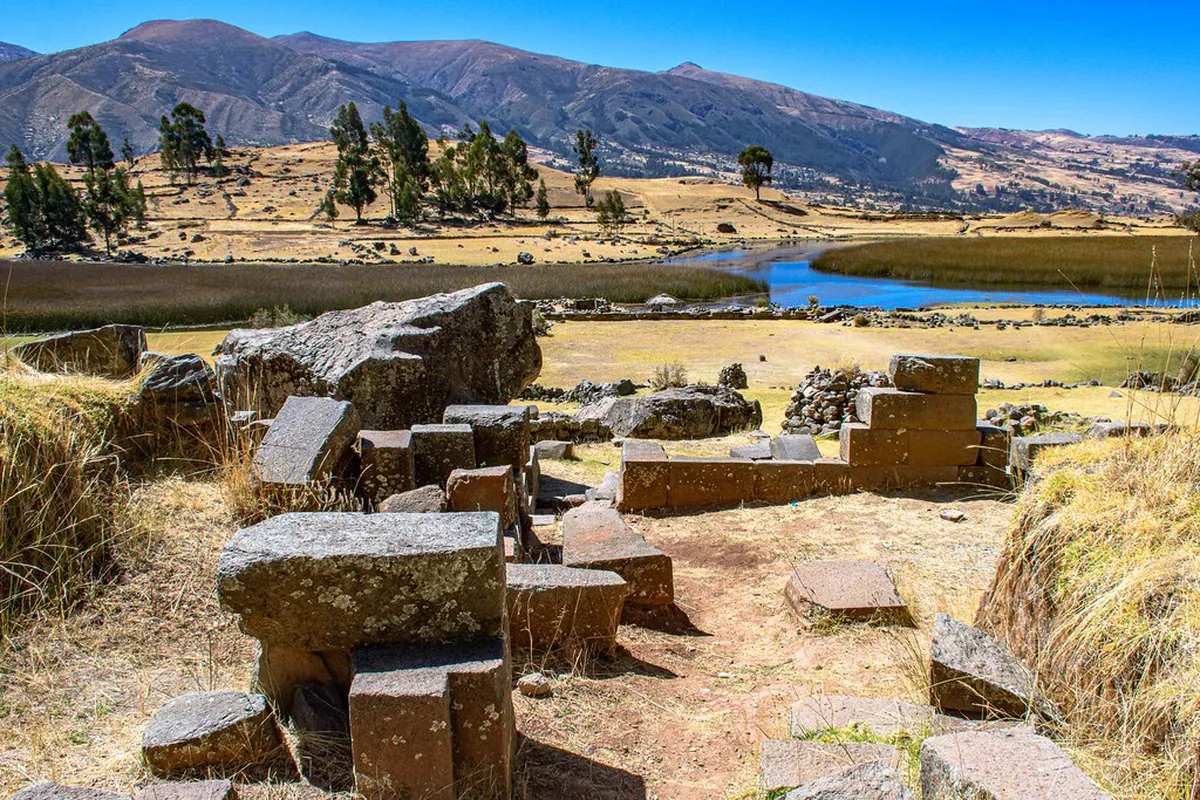
Are you looking for an ancient adventure away from the crowds? Many travelers head straight to Cusco, but Ayacucho offers a secret treasure. The Intihuatana archaeological site visits provide a deep look into the Inca Empire. This site was once a royal retreat for the Inca elite. It sits high in the Andes mountains and overlooks a stunning lake. You will find incredible stone carvings and solar clocks here. The history of this region is rich and complex. It mixes the heritage of the local Chanca people with Inca power. Visiting this site is a highlight for any trip to the city of Ayacucho.
Planning Your Trip to Intihuatana and Vilcashuamán
The ruins of Intihuatana are located about three hours from the city. Most people visit this site along with the town of Vilcashuamán. These two spots together create a perfect day trip for history fans. The region is very high up, so you must prepare for thin air. Drink plenty of water and rest before you start your tour. Many visitors choose to stay overnight in the local town to see everything properly.
Transportation is simple if you plan ahead. You can take a public bus or hire a private driver from Ayacucho. Many exploring Intihuatana archaeological complex tours depart daily. These guides help explain the meaning of the stone structures. They also know the best paths to walk around the lake. Hiring a local guide is the best way to support the local economy.
The weather in the Andes can change very fast. It is usually sunny in the morning and cold by the afternoon. Bring layers of clothing to stay comfortable throughout the day. The rainy season runs from December to March. During this time, the paths can be muddy and slippery. If you visit in May or June, the landscape is bright green. This makes for the best photos of the ancient ruins.
10 Highlights for Intihuatana Archaeological Site Visits
When you arrive, you will see why the Inca chose this spot. The complex is divided into several sectors with different uses. Some areas were for religious rituals, while others were for elite housing. Use this list to find the most important spots during your walk. Each location tells a story about how the ancient people lived and prayed.
-
Name: The Intihuatana Stone
Type: sight
Why go: This is a rare solar clock used to track the seasons.
Best for: History buffs.
Where: High point of the complex.
Time: 20 minutes.
Cost: Included in site entry.
Tip: Look at the angles to see how they align with the sun. -
Name: The Inca Baths (Baños del Inca)
Type: sight
Why go: These are masterfully carved stone pools fed by natural springs.
Best for: Photography.
Where: Lower terrace near the lake.
Time: 30 minutes.
Cost: Included.
Tip: Notice the precision of the stone joints that still hold water. -
Name: Pumacocha Lake
Type: nature
Why go: A peaceful blue lake that reflects the surrounding mountains.
Best for: Nature lovers.
Where: Directly adjacent to the ruins.
Time: 1 hour.
Cost: Free to view.
Tip: Walk the perimeter for the best views of the archaeological site. -
Name: The Ushnu of Vilcashuamán
Type: sight
Why go: This is a massive stepped pyramid used for royal ceremonies.
Best for: Architecture fans.
Where: Main plaza of Vilcashuamán town.
Time: 45 minutes.
Cost: Small local fee.
Tip: Climb to the top for a 360-degree view of the valley. -
Name: Temple of the Sun (San Juan Bautista Church)
Type: sight
Why go: A Spanish church built directly on top of an Inca temple.
Best for: Cultural insight.
Where: Central Vilcashuamán.
Time: 30 minutes.
Cost: Free/Donation.
Tip: Check our Vilcashuamán ruins guide for visiting hours. -
Name: The Inca Throne
Type: experience
Why go: A double seat carved from a single block of stone.
Best for: Interactive history.
Where: Top of the Ushnu pyramid.
Time: 10 minutes.
Cost: Included with Ushnu access.
Tip: Imagine the Inca ruler sitting here to preside over festivals. -
Name: Acllawasi (House of the Chosen Women)
Type: sight
Why go: The remains of a special building for women who served the sun god.
Best for: Learning about social structure.
Where: Near the Temple of the Sun.
Time: 20 minutes.
Cost: Included.
Tip: Observe the fine masonry which indicates a high-status building. -
Name: Titankayocc Forest
Type: nature
Why go: Thousands of Puya Raimondi plants, which only bloom once every century.
Best for: Hikers.
Where: 20 minutes before arriving at Intihuatana.
Time: 1-2 hours.
Cost: Free.
Tip: Read more in the Titankayocc forest guide before you stop. -
Name: The Sacrificial Stone
Type: sight
Why go: A large, flat stone used for important animal sacrifices.
Best for: Understanding ancient rituals.
Where: Ceremonial area of Intihuatana.
Time: 15 minutes.
Cost: Included.
Tip: Look for the carved channels meant for liquid runoff. -
Name: Pumacocha Inca Trail Section
Type: experience
Why go: Walk on the original Qhapaq Ñan road that linked the empire.
Best for: Active travelers.
Where: Connecting Intihuatana to the lake.
Time: 40 minutes.
Cost: Free.
Tip: Follow the stone-paved path mentioned in our Pumacocha day trip portal.
Expert Tips for a Smooth Archaeological Adventure
When planning your Intihuatana archaeological site visits, remember the high altitude. The site is over 3,000 meters above sea level. You should walk slowly and avoid heavy meals before arriving. Carrying a small bottle of water is essential for the hike. There are very few shops near the ruins, so pack some snacks in Ayacucho. It is a good idea to bring sunblock and a hat too.
Respecting the site is very important for its preservation. Do not climb on the ancient walls or move any stones you find. These structures are fragile and hold great historical value. Stay on the marked trails to protect the local plants and soil. If you see trash, please pick it up or keep yours with you. This helps keep the area beautiful for future visitors to enjoy.
Check the latest best Ayacucho day trips itinerary for updated transport times. Some buses only run a few times per week to the remote areas. It is often easier to join a group tour on the weekends. These tours usually include lunch in Vilcashuamán. You can try local dishes like puca picante or cuy chactado. This is a great way to experience the local culture fully.
Frequently Asked Questions
How long does it take for Intihuatana archaeological site visits?
Most visitors spend about two to three hours at the Intihuatana site itself. This allows for a leisurely walk through the ruins and the lake area. However, if you include the travel time from Ayacucho and a visit to Vilcashuamán, the entire trip takes about 10 to 12 hours.
Is there an entry fee for the Intihuatana ruins near Ayacucho?
Yes, there is a small entry fee for the Intihuatana archaeological complex. As of 2026, the cost is typically between 5 and 10 Soles for international tourists. It is best to bring small change in local currency, as credit cards are not accepted at the remote site entrance.
What is the best time of year to visit Intihuatana?
The best time to visit is during the dry season from May to October. During these months, the skies are clear and the mountain views are incredible. You will avoid the heavy rain that makes the dirt roads to the site difficult to navigate during the rest of the year.
Planning your Intihuatana archaeological site visits is a rewarding way to see Peru. You will avoid the massive crowds of Machu Picchu while seeing similar Inca skill. The combination of high-altitude lakes and ancient stone temples is truly unique. Make sure to visit the official Peru tourism site for more regional travel updates. Take your time, enjoy the fresh mountain air, and dive into history. This trip will likely be the favorite part of your Ayacucho adventure. Safe travels through the beautiful Peruvian highlands!
Official resources
Use these sources for official schedules, tickets, routes, and updates.
- Peru Travel — Official national tourism board; unverified.
- Municipalidad de Huamanga — Official city government portal; unverified.
- Lonely Planet — Major international travel guide; unverified.
- UNESCO World Heritage Centre — International cultural authority; unverified.
- Aeropuertos Andinos del Perú — Official airport authority for Ayacucho; unverified.
- Encyclopedia Britannica — High-authority general reference; unverified.