
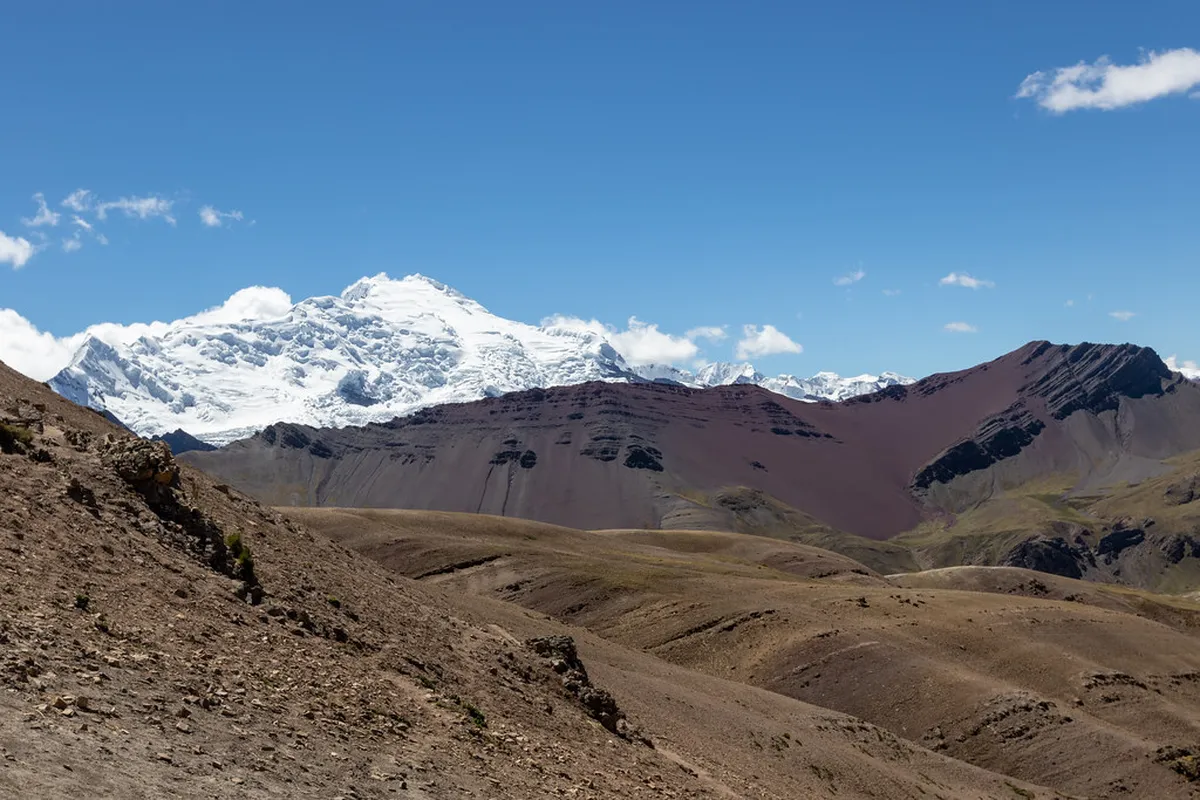
Guide to the Ausangate Seven Lagoons Hike in Peru
The Ausangate Seven Lagoons hike is a hidden gem in the Peruvian Andes. It offers a stunning blend of turquoise waters and snow-capped peaks. This day trip from Cuzco takes you deep into the heart of the Vilcanota mountain range. You will walk through remote paths and see landscapes that few tourists ever visit.
This trek is perfect for nature lovers and photographers. It focuses on several high-altitude lakes that sit below Mount Ausangate. This mountain is considered a sacred protector, or Apu, by the local people. To prepare for this journey, travelers should visit Peru Travel for regional details.
Most hikers start their journey from the small community of Pacchanta. The trail reaches heights of over 4,600 meters above sea level. You must be well-acclimatized before attempting this walk. Many people find this route more peaceful than other busy trails in the region.
Quick Picks for the Ausangate Hike
Choosing the right tour or path can be tricky. This quick guide helps you decide where to focus your energy. Every visitor has different goals for their trek. Use these picks to prioritize your interests during the trip.
- Best Overall Experience: Pucacocha Lagoon for its deep colors.
- Best for Relaxation: Pacchanta Hot Springs at the end of the trail.
- Best for Photos: The viewpoint overlooking the entire valley.
- Best for Families: Hiring local horses to ease the physical effort.
If you want a more guided experience, look for best day tours to Ausangate Seven Lagoons options. These often include transport and hot lunch. Booking ahead ensures a smoother experience in the high mountains.
Top 10 Highlights of the Ausangate Seven Lagoons Hike
The trek involves a steady climb through various glacial basins. Each lagoon has a distinct color ranging from emerald to navy blue. You will also encounter local wildlife along the way. Expect to see llamas and alpacas grazing near the water edges.
-
Name: Pucacocha Lagoon
Type: sight
Why go: Known for its reddish-turquoise tint and proximity to the glacier.
Best for: Nature lovers
Where: Lower Ausangate basin
Time: 20-30 minutes of viewing
Cost: Included in park entry
Getting there: Follow the main circuit trail from Pacchanta
Tip: Stand on the northern bank for the best mountain reflection. -
Name: Patacocha Lagoon
Type: sight
Why go: A calm mirror lake that perfectly reflects the snowy peaks above.
Best for: Photographers
Where: Central trail section
Time: 15 minutes
Cost: General entry (approx. 10-20 soles)
Getting there: A moderate walk uphill from Pucacocha
Tip: Visit early in the morning before the wind disturbs the water surface. -
Name: Alqacocha Lagoon
Type: sight
Why go: This lake is famous for its deep, intense blue shades.
Best for: Serenity seekers
Where: High plateau region
Time: 20 minutes
Cost: Part of trek fee
Getting there: Accessible via the second half of the loop trail
Tip: The trail here is steep, so pace your breathing carefully. -
Name: Otorongo Macho
Type: sight
Why go: Named "Male Jaguar" for its shape and powerful appearance.
Best for: Folklore fans
Where: Near the cluster of twin lakes
Time: 10 minutes
Cost: Free with entry
Getting there: Hiking guided path
Tip: Ask your guide about the local legends involving these twin lakes. -
Name: Otorongo China
Type: sight
Why go: The "Female Jaguar" lake sits right next to its male counterpart.
Best for: Sightseeing
Where: Adjacent to Otorongo Macho
Time: 10 minutes
Cost: Included
Getting there: Part of the standard lagoon circuit
Tip: The contrast between the two lakes is great for panoramic shots. -
Name: Ccaomercocha Lagoon
Type: sight
Why go: It has a bright green color that looks almost artificial.
Best for: Geology enthusiasts
Where: Upper trail section
Time: 30 minutes
Cost: Included
Getting there: This is often the turnaround point for shorter treks
Tip: Look for the mineral deposits that create the green pigment. -
Name: Orcocha Lagoon
Type: sight
Why go: A smaller, more intimate lake surrounded by rugged rocks.
Best for: Picnic stops
Where: Back loop towards Pacchanta
Time: 15 minutes
Cost: Included
Getting there: Descent path
Tip: Keep an eye out for viscachas (Andean rodents) in the nearby rocks. -
Name: Pacchanta Hot Springs
Type: experience
Why go: Soak your muscles in natural thermal water after the long hike.
Best for: Recovery
Where: Pacchanta village
Time: 1-2 hours
Cost: Usually 5-10 soles additional
Getting there: Located at the start and end of the trailhead
Tip: Bring a towel and flip-flops as facilities are very basic. -
Name: Mount Ausangate Viewpoint
Type: sight
Why go: Offers the most expansive view of the 6,384m peak.
Best for: Epic landscapes
Where: Highest point of the circuit trail
Time: 30 minutes
Cost: Free
Getting there: Main ascent route
Tip: Use a wide-angle lens to capture the mountain and lakes together. -
Name: Pacchanta Local Market
Type: experience
Why go: Buy authentic alpaca wool products directly from the weavers.
Best for: Souvenirs
Where: Pacchanta village square
Time: 30 minutes
Cost: Varies by item
Getting there: Village center
Tip: Carry small change in soles as vendors rarely have change for large bills.
If you enjoy this high-altitude scenery, you might like other nearby adventures. Consider visiting the Rainbow Mountain hiking guide for another colorful trek. Both locations offer a unique look at the Peruvian highlands.
Planning Your Ausangate Seven Lagoons Trek
Success on this trail depends on preparation and timing. The weather in the Andes can change in minutes. You should always carry a waterproof jacket and sun protection. For a complete gear list, see the weather and packing list guide.
Most tours leave Cuzco very early in the morning. Expect a 3-hour drive each way on winding mountain roads. You can check travel regulations on the official Peru government site for any updates. Hiring a local guide is highly recommended for safety and navigation.
This hike is physically demanding due to the elevation. Many hikers choose to visit Humantay Lake first to test their fitness. Proper hydration and eating light meals will help you manage the thin air. Remember to rest frequently and listen to your body.
Frequently Asked Questions
How hard is the Ausangate Seven Lagoons hike?
The hike is considered moderately difficult mostly due to the high altitude. The terrain is relatively flat with some steep sections. Most people complete the loop in 5 to 6 hours. Proper acclimatization in Cuzco for at least two days is essential before starting this trek.
What is the best time of year to visit?
The best time is during the dry season from May to September. During these months, the skies are clear and the colors of the lagoons are most vibrant. The rainy season, from December to March, can make the trails muddy and clouds may hide the mountain peaks.
Do I need a tour or can I go solo?
While you can go solo by taking public buses and taxis, a tour is much easier. Tours handle the long drive from Cuzco and include meals. If going solo, ensure you have an offline map and speak some basic Spanish to talk with the community in Pacchanta.
The Ausangate Seven Lagoons hike is a rewarding journey for any traveler in Peru. It offers unparalleled views of the sacred Apu Ausangate and its colorful lakes. Whether you go for the photos or the physical challenge, the experience is unforgettable. Make sure to end your day in the soothing hot springs of Pacchanta.
Before you head out, check out other top attractions near Cuzco to round out your itinerary. This region of Peru is rich with history and natural beauty. Safe travels and enjoy the crisp mountain air!
Official resources
Use these sources for official schedules, tickets, routes, and updates.
- Peru Travel — unverified
- UNESCO World Heritage Centre — unverified
- Lonely Planet — unverified
- Municipalidad del Cusco — unverified
- Ministerio de Cultura - Machu Picchu — unverified
- UNSAAC University — unverified