
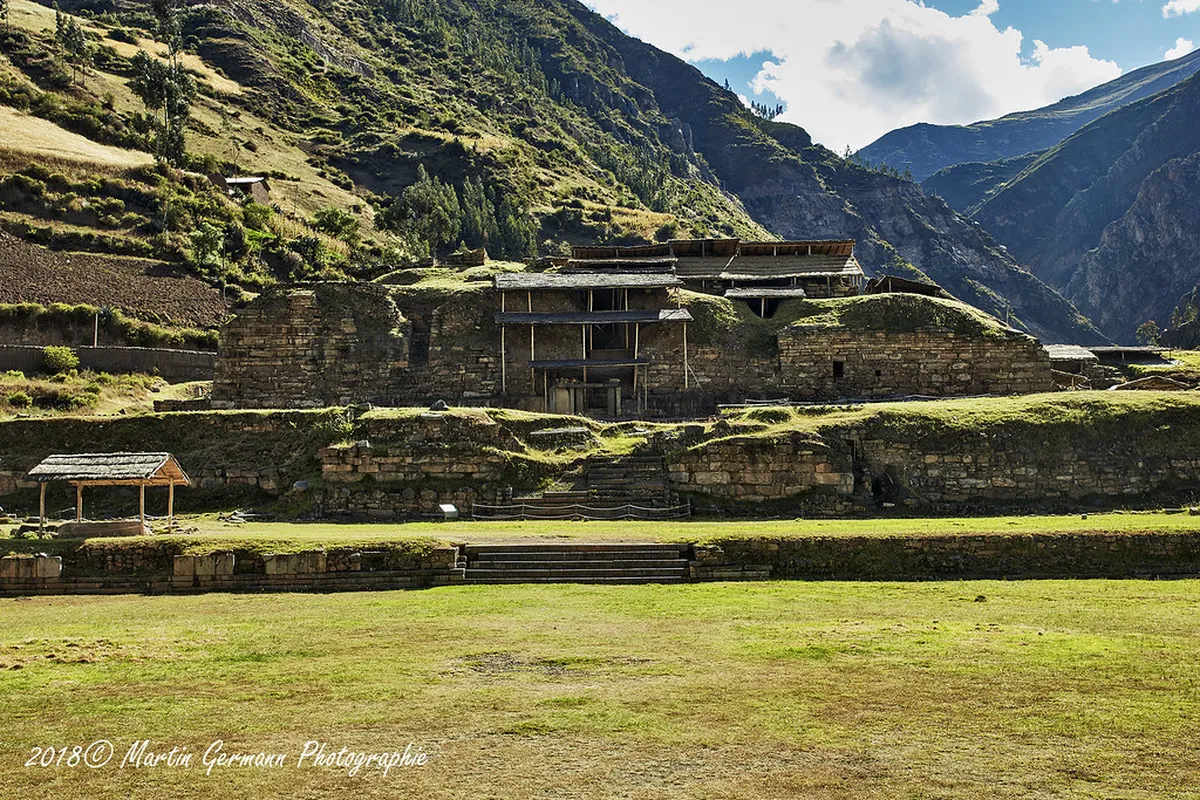
Explore Chavin de Huantar Guided Tour History and Ruins
Chavin de Huantar is a massive archaeological complex in the Peruvian Andes. It served as a religious center long before the Incas rose to power. Exploring the Chavin de Huantar guided tour history allows you to understand the spiritual roots of ancient Peru. Many travelers start their journey in Huaraz, the nearest major city. This high-altitude hub is perfect for mountain adventures and historical exploration. You should see other top attractions near Huaraz while you are in the region.
Planning Your Trip from Huaraz
Getting to the site requires a scenic drive through the Cordillera Blanca. Most visitors book a tour to simplify the three-hour journey. If you need details, research how to get to Chavin de Huantar before you leave. These tours usually offer air-conditioned vans and professional guides. A guide is essential to help interpret the complex carvings and layout of the structures.
Before you depart, check the current entry fees for Chavin de Huantar to stay updated. Prices can vary slightly depending on the season or visitor age. Most group tours include the entrance ticket in their total price package. Always confirm this with your tour operator in Huaraz. Proper preparation ensures you focus solely on the incredible history of this South American landmark.
Chavin de Huantar Guided Tour History: 9 Best Highlights
The site is famous for its intricate stone masonry and underground tunnels. A tour of the Chavin de Huantar ruins reveals a culture of advanced engineers. Here are the nine best highlights you will encounter on a guided trip from Huaraz.
-
Name: The Lanzon Monolith
Type: sight
Why go: This 4.5-meter stone carving represents the supreme deity of the Chavin culture.
Best for: History buffs
Where: Deep inside the Old Temple
Time: 20 minutes
Cost: Included in entry
Getting there: Walk through narrow stone galleries.
Tip: Look closely at the fangs and claws carved into the granite. -
Name: The Circular Plaza
Type: experience
Why go: It was the site of ancient sacred rituals and music performances.
Best for: Group photos
Where: Front of the Old Temple
Time: 30 minutes
Cost: Included in entry
Getting there: Located in the main courtyard of the lower ruins.
Tip: Stand in the center to hear the unique acoustics of the stone walls. -
Name: Tenon Heads (Cabezas Clavas)
Type: sight
Why go: These giant stone heads once decorated the exterior walls to ward off spirits.
Best for: Art lovers
Where: External walls of the New Temple
Time: 15 minutes
Cost: Included in entry
Getting there: Accessible via the main walking paths.
Tip: Only one original head remains in its original wall position; look for it high up. -
Name: The Gallery of the Labyrinths
Type: experience
Why go: Walk through an intricate system of dark, underground stone passages.
Best for: Adventure seekers
Where: Subterranean level of the complex
Time: 45 minutes
Cost: Included in entry
Getting there: Follow your guide through the tunnel entrance near the plaza.
Tip: Bring a small flashlight, although most guides use torches or phone lights. -
Name: The Black and White Portal
Type: sight
Why go: This grand gateway features bicolored masonry showing dualistic religious beliefs.
Best for: Photography
Where: Entrance to the New Temple
Time: 20 minutes
Cost: Included in entry
Getting there: Walk up the stairs from the main sunken plaza.
Tip: Pay attention to the hawk and eagle carvings on the columns. -
Name: Museo Nacional Chavín
Type: museum
Why go: It houses original artifacts, including the famous Tello Obelisk.
Best for: Context
Where: 1 km from the ruins
Time: 1 hour
Cost: Often included in tour
Getting there: Short drive or a 15-minute walk from the exit.
Tip: Visit after the ruins to see the items found in the galleries you just walked through. -
Name: The Tello Obelisk Replica
Type: sight
Why go: It is one of the most complex sculptures of the ancient Andean world.
Best for: Detail oriented
Where: Inside the site museum
Time: 15 minutes
Cost: Included in museum entry
Getting there: Walk through the museum's main hall.
Tip: The carvings show plants, animals, and mythological beings from the Amazon. -
Name: Laguna de Querococha
Type: nature
Why go: This stunning high-altitude lake is a standard stop on the drive from Huaraz.
Best for: Scenic views
Where: Huascarán National Park
Time: 30 minutes
Cost: Free (stop on tour)
Getting there: Located on the main road between Huaraz and Chavin.
Tip: Use this stop to acclimatize to the high mountain air. -
Name: Cahuish Tunnel
Type: viewpoint
Why go: This is one of the highest road tunnels in the world, marking the pass to the Conchucos valley.
Best for: Thrills
Where: Mountain pass on the route
Time: 10 minutes
Cost: Free
Getting there: Your tour van will drive through it.
Tip: Have your camera ready for the dramatic view as you exit the tunnel towards Chavin.
What to Expect from Guided Tours
A guided tour provides context that you cannot get from signs alone. Most experts explain how the Chavin people used sound to influence pilgrims. They often used conch shells, known as pututos, to create haunting echoes. This architectural acoustic design is a major part of the site’s UNESCO status. You can learn more about this at the UNESCO World Heritage Centre website.
Tours usually last a full day, starting early in Huaraz and returning by dinner. You will spend about three hours exploring the actual ruins and the museum. Wear comfortable walking shoes as the terrain is uneven and stony. Don't forget to pack a hat and sunscreen for the high Andean sun. Many tours also stop at local restaurants for a traditional lunch in Chavin town.
Many guides speak both Spanish and English, but confirm your preference when booking. They will share stories of how Julio C. Tello discovered the site in 1919. Learning about his work adds depth to the Chavin de Huantar guided tour history. For official travel updates, consult the Peru official tourism board before your visit. Their resources help you stay informed about seasonal opening schedules.
Frequently Asked Questions
Is Chavin de Huantar worth a visit from Huaraz?
Yes, it is absolutely worth it for anyone interested in ancient civilizations. It offers a unique look at pre-Inca culture and incredible stone architecture. The underground tunnels provide an experience unlike any other archaeological site in Peru. It is a perfect day trip for history lovers.
How long does a Chavin de Huantar tour take?
A typical tour takes about 8 to 10 hours including travel time. The drive from Huaraz takes about 3 hours each way. Most tours give you 3 hours at the ruins and museum. You will usually return to Huaraz around 6:00 PM or 7:00 PM.
Do I need to worry about altitude at Chavin de Huantar?
The site sits at about 3,180 meters, which is lower than Huaraz. However, the road to get there crosses a pass over 4,500 meters. You should spend a few days in Huaraz to acclimatize first. Drink plenty of water and consider coca tea for any mild symptoms.
Chavin de Huantar is a window into the mysterious spiritual past of South America. By following the Chavin de Huantar guided tour history, you see how these early people shaped Andean culture. From the Lanzon Monolith to the dark galleries, every corner tells a story of devotion. Make sure to book your tour in advance during the busy summer months. Start planning your history adventure by checking out more top attractions near Huaraz today.
Official resources
Use these sources for official schedules, tickets, routes, and updates.
- Municipalidad Provincial de Huaraz — Official municipal website; unverified source.
- PromPerú — National tourism board; unverified source.
- UNESCO World Heritage Centre — Official UNESCO listing for Huascarán; unverified source.
- Lonely Planet — Major editorial travel guide; unverified source.
- UNASAM University — Public university in Huaraz; unverified source.
- Britannica - Huaraz — Academic encyclopedia entry; unverified source.