
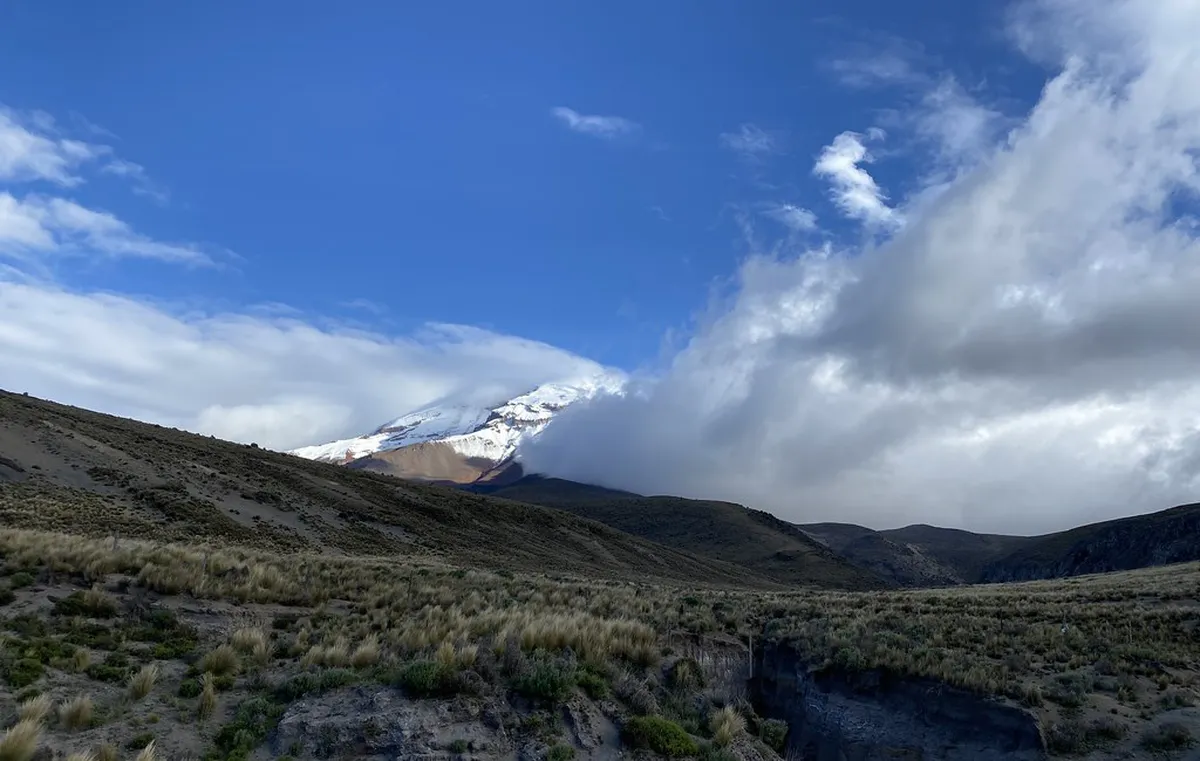
Planning Your Mountaineering Trips in Cordillera Blanca
Experience the thrill of scaling some of the world's most accessible high-altitude peaks. Mountaineering trips in Cordillera Blanca offer a unique blend of technical challenge and breathtaking scenery. Most expeditions begin in the city of Huaraz, the climbing capital of Peru. Here, you will find giant glaciers and peaks rising above 6,000 meters. This guide provides a detailed 6-day itinerary for a successful summit quest. Get ready to explore the heart of the Peruvian Andes.
At a Glance: 6-Day Mountaineering Itinerary
This itinerary is designed for intermediate hikers or aspiring climbers. It prioritizes safety and proper acclimatization. Each stage helps your body adjust to the thin mountain air.
- Day 1: Arrival in Huaraz and kit check.
- Day 2: Acclimatization hike to a high-altitude lagoon.
- Day 3: Trek to the mountain base camp.
- Day 4: Move to high camp and glacier practice.
- Day 5: Midnight summit push and descent.
- Day 6: Return trek and transport back to Huaraz.
Proper preparation is vital for these top attractions near Huaraz. Ensure you have travel insurance that covers high-altitude mountaineering. Most climbers focus on peaks like Pisco or Ishinca for their first Andean experience.
Preparing for Mountaineering Trips in Cordillera Blanca
Successful mountaineering trips in Cordillera Blanca start with patience. You must spend at least two days in Huaraz before heading higher. Use this time to explore local markets and secure any rental equipment. You will need crampons, ice axes, and warm thermal layers. Many shops in town offer high-quality gear for reasonable daily rates.
Day 1: Arrival in Huaraz (3,050m). Focus on hydration and light walking today. Avoid heavy meals or alcohol as your body begins to adapt. Visit the central plaza to find official guide agencies. The Peru official site offers resources on certified mountain operators. Confirm your logistics and transport for the following week.
Day 2: Acclimatization Hike. Take a 5-hour trek to test your lungs. A Laguna 69 day trip is a popular and stunning option. This hike reaches 4,600 meters and provides essential altitude exposure. Return to Huaraz in the evening to sleep at a lower elevation. This "climb high, sleep low" method is highly effective.
Your Day-by-Day Expedition Itinerary
Now it is time to leave the city behind and enter the park. The Huascarán National Park protects these magnificent mountains. Ensure you have your entry permit ready before departure. You will typically travel by private van to the trailhead.
Day 3: The Base Camp Approach. Afternoon: Hike for 3 to 4 hours into the valley. Your porters or donkeys will carry the heavy camping gear. Set up camp at roughly 4,200 meters near a glacial stream. Enjoy a high-calorie dinner and rest early to save your energy.
Day 4: Glacier Training. Morning: Move your camp closer to the snowline. Afternoon: Spend three hours practicing self-arrest techniques with your ice axe. This is essential for climbing Nevado Pisco or similar glaciated peaks. Early evening: Bedtime is usually 6:00 PM to prepare for a midnight start.
Day 5: Summit Day. Morning (12:00 AM): Begin your ascent under the stars. Using headlamps, you will navigate the glacier for several hours. Reach the summit by sunrise for incredible views of the Cordillera Blanca mountain peaks. Afternoon: Descend carefully back to the base camp for a well-deserved celebration.
Day 6: Return to Huaraz. Morning: Pack up your camp and trek back to the road. Evening: Enjoy a hot shower and a celebratory dinner in Huaraz. Many climbers choose to relax at local cafes to share stories. This marks the end of your high-altitude adventure.
Climbing Guide: Essential Logistics and Tips
The best time for mountaineering is from May to September. This period is known as the "Andean Summer" due to stable weather. While days are sunny, night temperatures on the glacier often drop below freezing. Always check the weather forecast before leaving Huaraz for any multi-day trip. Local guides have the most up-to-date information on crevasse conditions.
For lodging, Huaraz offers everything from hostels to boutique hotels. Most climbers prefer staying near the Parque de Periodista area. This neighborhood is close to gear shops and trekking agencies. Budget around $500 to $800 for a fully guided 3-day climb. This usually includes food, transport, and collective technical equipment.
Safety is the highest priority on any mountain expedition. Never climb alone on glaciated terrain in the Cordillera Blanca. Ensure your guide is a member of the UIAGM international association. Proper communication via satellite phone or radio is standard for professional groups. Physical fitness is required, so train with a heavy pack before your arrival.
Frequently Asked Questions
What is the best time for mountaineering trips in Cordillera Blanca?
The peak season runs from mid-May to early September. During these months, the weather is dry and skies are clear. This provides the safest conditions for glacial travel and summit attempts. Avoid the rainy season from December to March when visibility is low.
Do I need previous experience to climb in Huaraz?
Some peaks like Nevado Pisco are suitable for fit beginners with a guide. However, you should have experience hiking at high altitudes first. Technical skills like using crampons can be learned during pre-climb training sessions at base camp. Always consult with a professional guide before booking.
How much do mountaineering gear rentals cost in Peru?
Full gear rental usually costs between $30 and $50 per day. This includes boots, crampons, axes, helmets, and harnesses. Most agencies in Huaraz provide gear as part of a guided package. It is better to bring your own broken-in mountaineering boots if possible.
Mountaineering trips in Cordillera Blanca are a life-changing experience for any adventurer. By following this 6-day itinerary, you ensure proper acclimatization and maximum safety. Remember to respect the mountain environment and follow Leave No Trace principles. Start your journey by visiting the Cordillera Blanca mountain peaks for more inspiration. Book your guide today and prepare for the climb of a lifetime in Peru.
Official resources
Use these sources for official schedules, tickets, routes, and updates.
- Municipalidad Provincial de Huaraz — Official municipal website; unverified source.
- PromPerú — National tourism board; unverified source.
- UNESCO World Heritage Centre — Official UNESCO listing for Huascarán; unverified source.
- Lonely Planet — Major editorial travel guide; unverified source.
- UNASAM University — Public university in Huaraz; unverified source.