
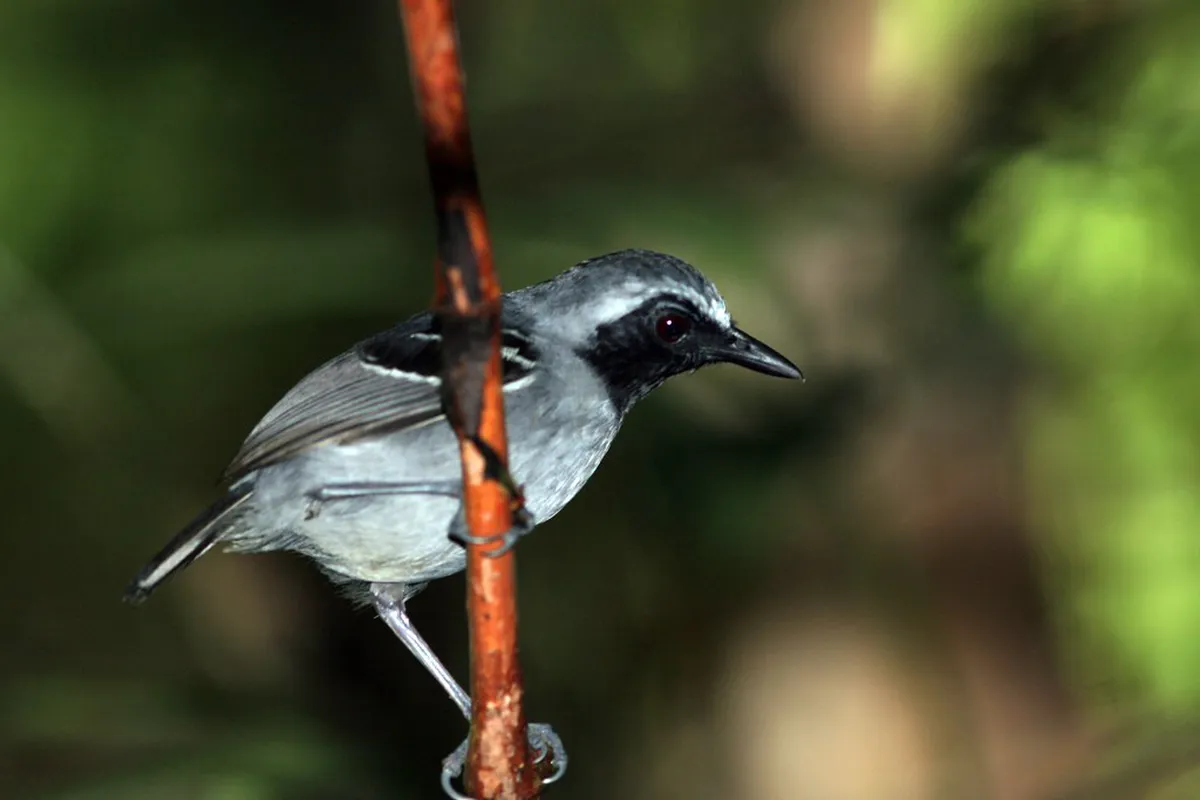
Top Allpahuayo Mishana Reserve Hiking Trails Near Iquitos
Discovering the Allpahuayo Mishana Reserve hiking trails is a dream for nature lovers. This protected area is located just outside Iquitos in the heart of the Peruvian Amazon. It is famous for its rare white sand forests, known as varillales. These unique ecosystems house plant and animal species found nowhere else on Earth. Hikers can expect to see unusual birds and ancient trees while walking these paths. This guide will help you navigate the best routes for a memorable 2026 jungle adventure.
Planning Your Journey to the White Sand Forest
The Allpahuayo Mishana National Reserve covers over 50,000 hectares of diverse territory. Most visitors come to see the varillales, which feature thin, tall trees growing in nutrient-poor soil. This harsh environment has led to the evolution of many endemic species. Before you start, check out this getting to Iquitos attractions guide for transport tips. Planning your trip requires understanding local weather patterns carefully.
The best time for hiking is usually during the dry season between June and September. Humidity remains high throughout the year in Peru. Paths can become very muddy after heavy rains. You should wear sturdy, waterproof boots for all treks. Long sleeves and pants are essential to protect against insects. Always carry plenty of water and a reliable map or GPS device.
Many trails begin near the Iquitos-Nauta highway between kilometer 22 and kilometer 28. This makes the reserve accessible for day trips from the city center. However, the dense jungle canopy can be disorienting. Hiring a local expert is highly recommended for safety. Guides can also help you spot the elusive Iquitos Gnatcatcher and other rare local birds. It is a good idea to bring binoculars and a camera.
10 Best Allpahuayo Mishana Reserve Hiking Trails
These specific paths offer a look into the different ecosystems within the reserve. Use this list to prioritize your trekking goals. Many of these routes connect to research stations or small communities. For more options in the region, look at other top attractions near Iquitos during your stay.
-
Name: Sendero de los Varillales Secos
Type: nature path
Why go: This is the premier trail for seeing the white sand forest. It showcases the unique stunted trees of the region.
Best for: Nature photographers.
Where: Access at Km 25.
Time: 2 to 3 hours.
Cost: Minimal entry fee at the gate.
Getting there: Take a bus from Iquitos toward Nauta.
Tip: Look closely at the ground to see the distinctive white sand. -
Name: Sendero del Iquitos Gnatcatcher
Type: birdwatching trail
Why go: This trail is named after a bird found only in this reserve. It offers the best chance to spot this rare species.
Best for: Serious birdwatchers.
Where: Near the IIAP research station.
Time: 4 hours.
Cost: Guided tours are recommended and have variable costs.
Getting there: Hire a private taxi or motocar from Iquitos.
Tip: Start your hike at dawn for the best bird activity. -
Name: Sendero de los Aguajales
Type: swamp walk
Why go: This path takes you through a palm swamp dominated by Aguaje palms. These trees are iconic to the Peruvian Amazon.
Best for: Flora enthusiasts.
Where: Km 26 area.
Time: 2 hours.
Cost: Included in reserve entry.
Getting there: Public transit toward Nauta stops nearby.
Tip: Be prepared for wetter ground and more mosquitoes here. -
Name: Sendero de Plantas Medicinale
Type: experience
Why go: Managed by the IIAP, this trail focuses on the healing properties of local plants. It is very educational.
Best for: Families and students.
Where: Biological Station at Km 28.5.
Time: 1.5 hours.
Cost: Small donation suggested.
Getting there: Look for the IIAP entrance sign on the highway.
Tip: Ask for a guide who can explain the use of each plant. -
Name: Sendero Pomachaca
Type: forest trek
Why go: This is a longer route that leads deeper into the primary forest. It feels much more wild than the roadside paths.
Best for: Experienced hikers.
Where: South of the main research hub.
Time: 5 to 6 hours.
Cost: Guide fee required.
Getting there: Boat access via the Nanay river or highway hike.
Tip: Bring a packed lunch as there are no facilities. -
Name: Sendero de la Comunidad Mishana
Type: cultural activity
Why go: This trail connects the forest to the Mishana community on the riverbank. It offers a glimpse into local life.
Best for: Cultural explorers.
Where: Mishana River access point.
Time: Half-day trip.
Cost: Free, but consider buying local crafts.
Getting there: Requires a boat trip from Bellavista Nanay.
Tip: Check river levels before heading out to the community. -
Name: Sendero de los Arboles Gigantes
Type: sight
Why go: This path features massive Lupuna and Ceiba trees. These giants dwarf everything else in the jungle.
Best for: Seeing old-growth forest.
Where: Deep interior near the Rio Nanay.
Time: 3 hours.
Cost: Standard entry ranges.
Getting there: Best reached via guided tour from Iquitos.
Tip: Stand inside the buttress roots for a great photo. -
Name: Sendero Liana (The Vine Trail)
Type: nature path
Why go: You will see incredibly thick and twisted woody vines hanging from the canopy. It looks like a scene from a movie.
Best for: Artistic inspiration.
Where: Near the Km 25 entrance.
Time: 1 hour.
Cost: Included in reserve fee.
Getting there: Easy walk from the highway drop-off.
Tip: Watch your step as vines often cross the trail floor. -
Name: Sendero de Mariposas
Type: nature path
Why go: This area is known for an abundance of colorful butterflies near the forest edge. The Blue Morpho is common here.
Best for: Wildlife spotting.
Where: Entrance zone near the highway.
Time: 1 hour.
Cost: Free with entry.
Getting there: Public bus or private car.
Tip: These are most active on sunny, hot days. -
Name: Quistococha Connection Path
Type: day trip
Why go: While not entirely inside Allpahuayo, this trail connects nearby forests to the Quistococha Lake and zoo.
Best for: Those with limited time.
Where: South of the reserve border.
Time: 2 hours.
Cost: Zoo entry fee applies.
Getting there: Located at Km 6.5 of the Iquitos-Nauta highway.
Tip: Finish your hike with a swim in the lake.
Tips for Safe and Ethical Jungle Hiking
Hiking in the Amazon requires respect for the environment. Stay on the marked Allpahuayo Mishana Reserve hiking trails at all times. Leaving the path can damage sensitive white sand plants. It also increases the risk of getting lost in the dense brush. Always pack out all your trash to keep the forest pristine for future visitors.
Wildlife should be observed from a safe distance. Never try to feed or touch the animals you encounter. If you enjoy seeing local fauna responsibly, consider visiting the Amazon Rescue Center for manatees after your hike. Supporting ethical wildlife centers helps the region's conservation efforts. Use eco-friendly sunblock and repellent to avoid polluting forest water sources.
Hydration is your most important priority in the heat. Drink more water than you think you need. Dehydration can happen quickly under the canopy. Rest frequently in shaded areas to avoid heat exhaustion. If you feel dizzy, signal your guide immediately. It is better to cut a hike short than to risk your health.
Frequently Asked Questions
Do I need a guide for Allpahuayo Mishana hiking trails?
Yes, a guide is highly recommended for safety and wildlife spotting. The jungle can be complex and confusing for newcomers. Local guides know the habits of rare birds and can identify medicinal plants. They also help ensure you stay on the correct paths to protect the environment.
What is the entry fee for the reserve?
The entry fee is usually around 10 to 20 Soles for foreigners. Prices can change, so check at the entrance booth or with the SERNANP office. Fees help maintain the trails and support conservation efforts. Some trails might have additional costs if they are on private or research land.
How far is the reserve from Iquitos?
The reserve starts about 25 kilometers from the city of Iquitos. It takes approximately 45 minutes to one hour to reach the main entrances by car or bus. Most trails are easily accessible via the Iquitos-Nauta highway. This proximity makes it a perfect destination for a day trip.
Exploring the Allpahuayo Mishana Reserve hiking trails is a highlight of any trip to the Amazon. The white sand forests offer a unique perspective on biodiversity that vous won't find elsewhere in Peru. Whether you are searching for the Iquitos Gnatcatcher or giant lupuna trees, these trails provide endless wonder. Remember to hike responsibly and book a local guide for the best experience. For more travel tips, see our full guide on top attractions near Iquitos today.
Official resources
Use these sources for official schedules, tickets, routes, and updates.
- Peru Travel — unverified: Official national tourism board.
- Municipalidad Provincial de Maynas — unverified: Official local government portal.
- Lonely Planet — unverified: Leading editorial travel guide.
- IIAP — unverified: Amazonian research institute authority.
- Aeropuertos del Perú (ADP) — unverified: Official airport operator website.
- UNAP - Universidad Nacional de la Amazonía Peruana — unverified: Major public university in Iquitos.