
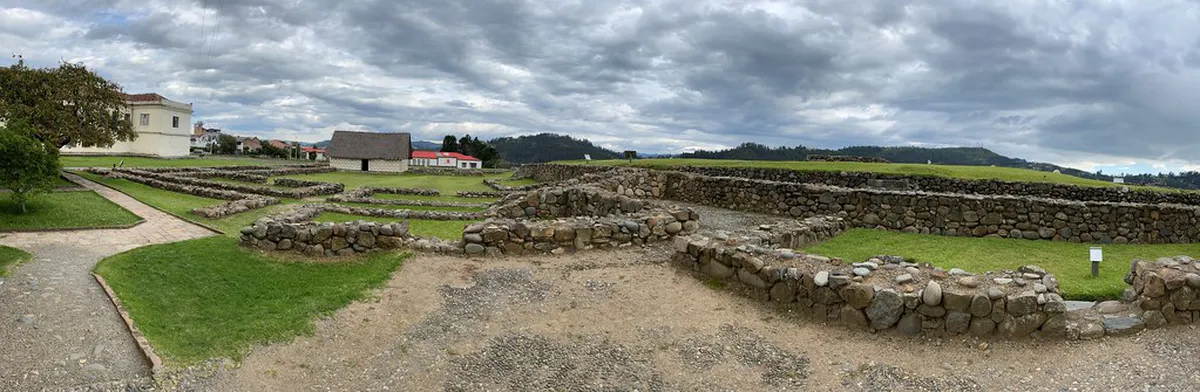
The Ultimate Pachacamac Archaeological Site Day Trip From Lima
A Pachacamac archaeological site day trip is essential for anyone visiting Lima. This massive complex served as the holiest pilgrimage center on the Peruvian coast for over 1,000 years. It predates the Inca Empire but was later expanded by them. You will find sun-bleached pyramids and ancient temples overlooking the Pacific Ocean nearby. This guide helps you navigate the ruins efficiently in one day. You will learn about the mysterious oracle and the civilizations that lived here.
Planning Your Pachacamac Archaeological Site Day Trip
Planning your visit is simple if you group your stops by neighborhood. Most travelers start their journey from the southern districts of Lima. The site is located in the Lurin valley, roughly 45 minutes to an hour from central areas. Many visitors include this among the top attractions near Lima because of its historical depth. You can visit by taxi, tour bus, or public transport.
At a glance:
- 8:30 AM: Depart from your hotel in Miraflores or Barranco.
- 10:00 AM: Arrival and tour of the on-site Museum.
- 11:30 AM: Guided walk through the Temple of the Sun and Acllahuasi.
- 1:30 PM: Lunch in the town of Lurin.
- 3:30 PM: Return to Lima or explore Barranco.
Logistics Tip: In 2026, it is highly recommended to book your entrance tickets online via the official government site. This ensures you have a spot during the busy morning hours. The sun is very strong in the desert, so plan to arrive early to beat the heat. If you enjoy history, also consider a Historic Centre of Lima walking tour on another day.
Morning: The Modern Gateway and Ancient Murals
Day 1: Morning (09:00 - 12:00): Begin your day at the Pachacamac Site Museum near the entrance. This modern building houses an incredible collection of ceramics and textiles found on-site. The star attraction is the original Pachacamac Idol. This carved wooden figure represented the god of earthquakes and creation. Seeing it here provides essential context before you step onto the dusty ruins. The museum provides a cool escape before you start walking the circuit.
You should hire an official guide at the visitor center for a more immersive experience. They explain the architectural differences between the Lima, Wari, and Inca periods. Many structures here are made of dried mud bricks called adobes. These have survived for centuries in the dry coastal climate. The museum also displays colorful tunics that were once worn by local priests. This stop usually takes about 60 to 90 minutes.
Logistics Tip: There is a small café at the museum entrance. Buy extra water here, as there are no shops inside the archaeological circuit itself. Wear sturdy walking shoes because the paths are sandy and uneven. If you are interested in more ruins closer to the city, check out this guide on visiting Huaca Pucllana ruins Lima.
Midday: Exploring Temples on the Sacred Circuit
Day 1: Afternoon (12:00 - 02:30): The archaeological circuit is the heart of your Pachacamac archaeological site day trip. You can walk the paths or drive through certain sections if you have a private car. The most iconic structure is the Temple of the Sun. It is a massive red-painted pyramid built by the Incas. From the top, you get a 360-degree view of the Lurin Valley and the nearby islands. It is a perfect spot for photography.
Next, visit the Acllahuasi, also known as the House of the Chosen Women. The Spanish chroniclers compared this place to a convent for priestesses. Its architecture features unique trapezoidal niches and beautiful gardens. Unlike the rest of the site, this area has been heavily restored. It gives you a clear vision of how beautiful these structures once looked. The scale of the pilgrims' plaza nearby shows how many people traveled here to hear the oracle's voice.
Take your time walking through the Street of the North-South. These ancient corridors were once strictly controlled by the elite. The energy of the site is very peaceful compared to the bustling traffic of Peru's capital. Just remember that the site is large, so keep a steady pace. If you prefer indoor history, you might also like the guide to Larco Museum Lima for a different perspective.
Afternoon: Local Flavors and Nearby Extensions
Day 1: Late Afternoon (02:30 - 05:00): After exploring the ruins, drive five minutes into the nearby town of Lurin. This area is famous across Lima for its traditional food. You must try the "pan con chicharrón," which is fried pork served with sweet potato and onion sauce. Many restaurants in Lurin are family-run and very affordable. It is a great way to experience local Peruvian culture outside the main tourist zones. Sitting down for a long lunch is a local tradition here.
If you still have energy, stop in Barranco on your way back. This is the artistic heart of Lima and offers a great change of pace. You can enjoy art and culture in Barranco Lima as the sun begins to set. Walking across the Bridge of Sighs is a great way to end the day. Alternatively, join one of the top Lima Peru food tours for dinner back in the city.
Logistics Tip: Traffic entering Lima from the south can be heavy after 5:00 PM. Plan your departure from Lurin accordingly to avoid long delays. If you used a ride-sharing app to get to the ruins, you may need a local taxi to get back to a central area. Most tours will handle this transport for you automatically.
Where to Stay and Survival Tips for San Pedro
For the best day trip experience, stay in Miraflores. This district offers the most reliable transport links and many tour operators start their routes here. You can find many best things to do in Miraflores during your evenings. Barranco is also a great option if you prefer a more bohemian vibe. Both neighborhoods are safe for travelers and offer a high standard of accommodation and dining.
Protecting yourself from the elements is vital. The coastal desert can be deceptive with its cool breeze, but the UV index is very high. Wear a wide-brimmed hat and apply sunscreen every two hours. There is very little shade among the ruins once you leave the museum. Drinking water frequently will prevent altitude-related headaches, even though Pachacamac is at sea level. The air is very dry and dusty.
Optional Swaps: If it is a very rainy day (which is rare in Lima), spend more time in the site museum. If you are traveling with kids, look for the resident Peruvian hairless dogs near the visitor center. These dogs are a protected national heritage and are very friendly. For those on a low budget, taking the "S" bus from Miraflores to Lurin is the cheapest way to reach the site.
Frequently Asked Questions
How long is a Pachacamac archaeological site day trip?
A typical trip lasts between 5 and 7 hours. This includes the one-hour drive each way from Lima. You will spend about 3 hours exploring the museum and ruins. Adding lunch in nearby Lurin extends the day to roughly 7 hours total.
Is Pachacamac worth visiting if I am going to Machu Picchu?
Yes, it is definitely worth it. Pachacamac offers a unique look at coastal pre-Inca cultures like the Wari and Lima. The mud-brick construction is completely different from the stone masonry of Machu Picchu. It provides a more complete picture of ancient Peruvian history.
Is there a lot of walking involved at Pachacamac?
Yes, expect to walk at least 2 to 3 miles if you do the full circuit. The terrain is sandy and has some incline, especially near the Temple of the Sun. Visitors with limited mobility should consider a private car tour that can drive between the main structures.
A Pachacamac archaeological site day trip is the perfect blend of history and adventure. You will leave with a deep respect for the ancient coastal civilizations of Peru. After your tour, you might want to relax by walking the Lima Malecon boardwalk. Make sure to check the site's official hours before you go. Remember to book your tickets in advance for the best experience. Enjoy your journey back in time through this sacred desert landscape.
Official resources
Use these sources for official schedules, tickets, routes, and updates.
- PROMPERÚ — unverified
- UNESCO World Heritage Centre — unverified
- Lonely Planet — unverified
- Jorge Chávez International Airport — unverified
- Museo Larco — unverified
- Museo de Arte de Lima (MALI) — unverified