
Exploring Sillustani: A Complete Burial Towers Guide
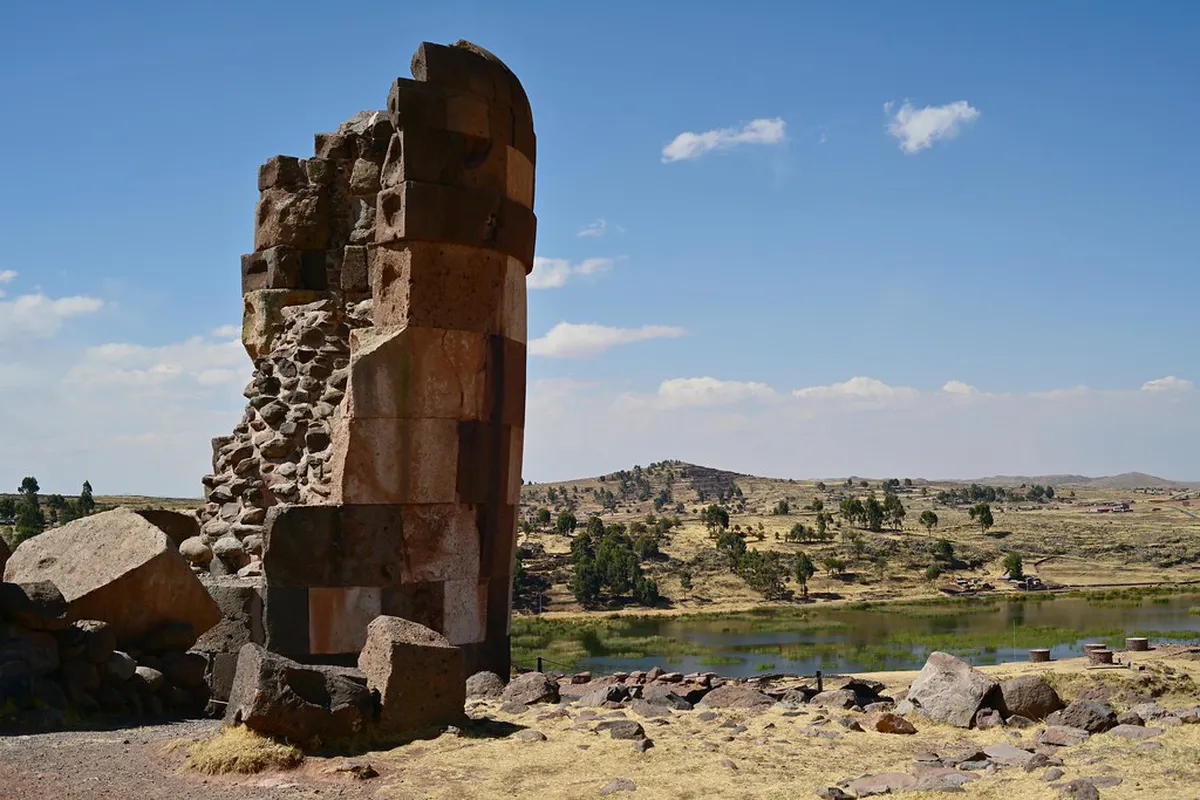
Sillustani is a remarkable pre-Incan cemetery located near Puno. This site features ancient funerary towers called chullpas. These structures stand tall against the stark Altiplano landscape. Most travelers find this Sillustani burial towers guide essential for understanding the deep history here. The ruins offer a peaceful escape from the busy streets of Puno. You will see incredible engineering and enjoy stunning views of Lake Umayo. This guide will help you navigate the 10 best highlights of the area.
10 Must-See Sights at Sillustani
Visiting this necropolis requires a sharp eye for detail. The towers vary in size, age, and construction quality. You should also explore the surrounding natural beauty during your walk. Here are the top attractions featured in our Sillustani burial towers guide.
- Quick pick: Best Overall: Chullpa del Lagarto
- Quick pick: Best View: Lake Umayo Overlook
- Quick pick: Best History: Site Museum
- Quick pick: Best Nearby Trip: Cutimbo Ruins
-
Name: Chullpa del Lagarto
Type: Iconic sight
Why go: This is the tallest and most famous tower at the site. It stands 12 meters high with perfectly fitted stones.
Best for: Architecture lovers and photographers.
Where: Main archaeological plateau.
Time: 15-20 minutes.
Cost: Included in site entry.
Getting there: Walk the main path from the entrance.
Tip: Look for the lizard carving that gives the tower its name. -
Name: Lake Umayo Viewpoint
Type: Viewpoint
Why go: The necropolis sits on a peninsula overlooking this dramatic, high-altitude lake. The blue water contrasts beautifully with the golden grass.
Best for: Nature photography and meditation.
Where: Western edge of the ruins.
Time: 20 minutes.
Cost: Free with entry.
Getting there: Follow the trail to the edge of the plateau.
Tip: The view is best during the golden hour before sunset. -
Name: Sillustani Site Museum
Type: Museum
Why go: This small museum displays pottery, textiles, and skeletal remains found during excavations. It provides vital context for the burial rituals.
Best for: History buffs.
Where: Just outside the main entry gate.
Time: 30 minutes.
Cost: Small additional fee often applies.
Getting there: Stop here before entering the park.
Tip: Check the dioramas to see how the towers were built. -
Name: The Intiwatana (Solar Clock)
Type: Archaeological feature
Why go: This circular stone structure served as a ritual space for tracking the sun. It highlights the astronomical knowledge of the Colla people.
Best for: Spirituality and ancient science.
Where: Near the center of the site.
Time: 10 minutes.
Cost: Included.
Getting there: Located along the central loop trail.
Tip: Visit with a guide to understand the alignment with the solstice. -
Name: The Unfinished Chullpa
Type: Iconic sight
Why go: This structure shows the interior construction methods used by ancient builders. You can see the rubble core and the smooth outer casing being applied.
Best for: Understanding ancient engineering.
Where: Southern section of the plateau.
Time: 15 minutes.
Cost: Included.
Getting there: Follow the path toward the rear of the site.
Tip: Notice how the stones were ramped up for placement. -
Name: Atuncolla Village
Type: Local experience
Why go: Most tours stop in this traditional village. You can see how locals live and interact with domesticated llamas and alpacas.
Best for: Cultural immersion.
Where: 5 minutes driving from the ruins.
Time: 30-45 minutes.
Cost: Free to walk; small tips for photos.
Getting there: On the main road to the site.
Tip: Try the local "queso frito" (fried cheese) if available. -
Name: Umayo Island
Type: Nature
Why go: Visible from the cliffs, this island is a protected area for wild vicuñas. It adds a layer of natural serenity to the historical site.
Best for: Wildlife spotting.
Where: In the center of Lake Umayo.
Time: Viewable while touring the ruins.
Cost: Free to view.
Getting there: Visible from all Western viewpoints.
Tip: Bring binoculars to see the vicuñas clearly. -
Name: Hatuncolla Artisan Market
Type: Market
Why go: Local women sell high-quality alpaca knits and stone carvings of the burial towers. It is a great place for souvenirs.
Best for: Shopping.
Where: Village of Hatuncolla.
Time: 20 minutes.
Cost: Variable.
Getting there: Part of most organized top attractions near Puno itineraries.
Tip: Haggling is common but remain polite. -
Name: Cutimbo Ruins
Type: Day trip
Why go: If you enjoy Sillustani, Cutimbo ruins offer a more rugged, less-crowded experience. It also features impressive burial towers.
Best for: Avoiding crowds.
Where: 22 km south of Puno.
Time: 2-3 hours.
Cost: Low entry fee.
Getting there: Private taxi or specialized tour from Puno.
Tip: Wear sturdy boots as the terrain is uneven. -
Name: Lampa (The Pink City)
Type: Day trip
Why go: This historic town features a magnificent church and a replica of Michelangelo's Pieta. It pairs well with a morning visit to Sillustani.
Best for: Art and architecture.
Where: 80 km from Puno.
Time: Half-day or full-day trip.
Cost: Transportation costs.
Getting there: Check the Lampa pink city day trip logistics.
Tip: Visit the catacombs inside the Santiago Apóstol church.
The History of the Sillustani Burial Towers
Sillustani predates the Inca Empire. The Colla people originally built these towers to house their elite. They believed in an afterlife that required earthly belongings. Therefore, noble families were buried with gold, food, and fine ceramics. The design of the towers changed when the Incas conquered the region. You can see two distinct styles of masonry at the site today.
The older Colla towers use smaller, rougher stones. In contrast, the Incan structures feature masterful, interlocking stone blocks. These blocks fit so tightly that no mortar was necessary. The towers are wider at the top than at the base. This unusual shape makes them look more imposing. Most towers face east toward the rising sun, symbolizing rebirth.
Tragically, many chullpas were damaged by grave robbers. Raiders used dynamite to blast open the structures over centuries. Despite this, the site remains a sacred place for local communities. Modern archaeological efforts now protect these fragile monuments. This Sillustani burial towers guide highlights the resilience of Andean culture. Exploring the site helps visitors appreciate the complex history of Peru.
Practical Tips for Your Sillustani Visit
Sillustani sits at nearly 3,900 meters above sea level. This high altitude can cause shortness of breath or headaches. You should spend a day in Puno to acclimate first. Drink plenty of water and try local coca tea. Avoid heavy meals before your uphill walk to the plateau.
The weather on the Altiplano is highly unpredictable. Even on sunny days, the wind can be very cold. Wear layers so you can adjust to the temperature. A windproof jacket and a warm hat are essential. Sun protection is equally important due to the thin atmosphere. Check the best time to visit Sillustani ruins Puno for seasonal weather patterns.
Photography at Sillustani is best in the late afternoon. The setting sun paints the towers and the lake in orange hues. This timing also avoids the mid-day heat. Most group tours arrive around 2:00 PM or 3:00 PM. If you want a quieter experience, consider hiring a private driver for an earlier start. Always carry small change for entry fees and local tips.
How to Reach Sillustani from Puno
Reaching the ruins is easy from the center of Puno. The drive takes approximately 45 minutes through scenic landscapes. You have three main options for transportation. Many travelers choose organized group tours for convenience. These tours usually include a guide and a stop at Atuncolla. You can learn how to visit Sillustani ruins from Puno through various local agencies.
If you prefer flexibility, hire a private taxi. This allows you to stay at the site as long as you like. It is perfect for professional photographers waiting for specific light. Negotiate the price with the driver before you leave Puno. Ensure the price includes the waiting time while you explore. This option is usually more expensive but very comfortable.
Adventurous travelers can use local "collectivos" or shared vans. These go to the town of Atuncolla from Puno's terminal. From the village, you can walk or take a motor-taxi to the entrance. This is the cheapest way to reach the site. After your visit, you can return to Puno or explore Lake Titicaca boat tours the next day. Combining Sillustani with other local sights makes for a perfect itinerary.
Frequently Asked Questions
What is the best time of day to visit Sillustani?
The best time to visit Sillustani is in the late afternoon. Between 3:00 PM and 5:30 PM, the lighting is perfect for photography. The sun sets over Lake Umayo, creating a beautiful backdrop for the burial towers. Afternoon visits also allow for better temperature regulation as the sun is less intense.
Is Sillustani worth visiting if I have seen other ruins?
Yes, Sillustani is unique because of its funerary architecture and stunning lake setting. Most ruins in Peru are temples or residential complexes, but Sillustani is a dedicated necropolis. The engineering of the chullpas is distinct from sites like Machu Picchu. It offers a quieter, more spiritual atmosphere than more famous ruins.
How long should I spend at the Sillustani ruins?
Most visitors spend 1.5 to 2 hours at the site. This allows enough time to walk the main loop, visit the tallest towers, and enjoy the lake views. If you visit the site museum or Atuncolla village, plan for a 3-hour total excursion from Puno. It is a relaxed half-day trip.
A visit to Sillustani is a highlight of any trip to Southern Peru. These ancient towers offer a glimpse into the minds of the Colla and Inca people. You will leave with a greater appreciation for Andean history and stunning photographs. For more adventures, consider visiting the Uros floating islands as well. Use this Sillustani burial towers guide to ensure a smooth and meaningful visit. Start planning your Puno journey today to experience these silent stone giants for yourself.
Official resources
Use these sources for official schedules, tickets, routes, and updates.
- Peru Travel — unverified: National tourism board of Peru.
- Municipalidad de Puno — unverified: Official city government website.
- Gobierno Regional de Puno — unverified: Regional government authority for Puno.
- UNESCO World Heritage Centre — unverified: International heritage authority for Qhapaq Ñan.
- Lonely Planet — unverified: Leading international travel guide.
- Aeropuertos Andinos del Perú — unverified: Operator of the Juliaca airport serving Puno.
- PeruRail — unverified: Major transport provider for the Puno-Cusco route.