
The Ultimate Chan Chan Ruins Guide: Trujillo’s Ancient Mud City
Discover the ancient secrets of the Chimu Empire. This Chan Chan ruins guide Trujillo helps you navigate the world's largest mud-brick city. This massive site covers about 20 square kilometers near the Pacific coast. It served as the capital for thousands of people before the Inca conquest. Today, it remains one of Peru's most stunning archaeological treasures. Visitors can explore grand palaces, ceremonial courtyards, and beautiful carvings in the desert sand.
Exploring the World’s Greatest Mud City
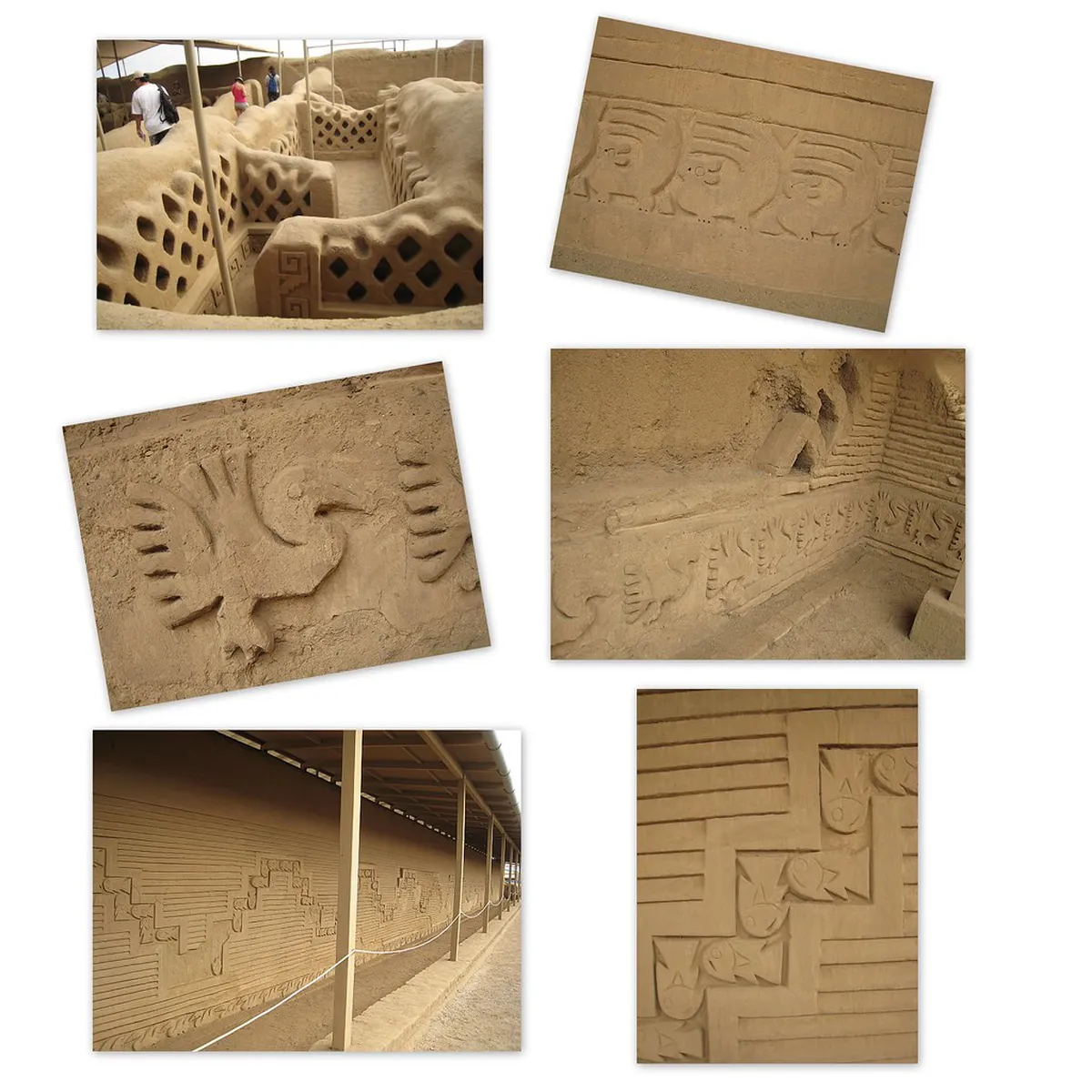
Chan Chan is a masterpiece of pre-Columbian urban planning. The city contains nine massive citadels built by different Chimu kings. These structures use adobe bricks made from local mud and straw. The UNESCO World Heritage Centre recognizes its outstanding value to humanity. Walking through these walls feels like stepping back into the 15th century. You will see intricate patterns depicting fish, birds, and sea life.
The scale of the ruins is truly hard to imagine. At its peak, the city housed over 30,000 residents. It was a bustling hub of trade, religion, and politics in northern Peru. Today, the dry climate helps preserve the delicate mud structures against the wind. It is an essential stop for any traveler visiting the city of Trujillo. Understanding this site requires a mix of curiosity and good planning.
10 Key Highlights for Your Chan Chan Ruins Guide Trujillo
This list covers the best sights within the complex and nearby. Most visitors start at the main palace before exploring the satellite temples. Use this guide to prioritize the most impressive sections. Ensure you have enough time to see the museum first for context. Many of these sites are included on a single admission ticket. Here are the top items for your itinerary:
- Quick picks:
- Best overall: Nik An Palace
- Best for history: Chan Chan Site Museum
- Best for art: Huaca Arco Iris
-
Name: Nik An Palace (Tschudi)
Type: sight
Why go: This is the only restored palace open to the public. You can walk through ceremonial squares and see the burial platform.
Best for: first-time visitors
Where: Central complex
Time: 1.5 hours
Cost: Included in site ticket
Getting there: Take a local bus or taxi from Trujillo center
Tip: Visit early in the morning to avoid the midday sun and crowds. -
Name: Chan Chan Site Museum
Type: museum
Why go: It provides the history of the Chimu people. You can see ceramics, metalwork, and wooden idols found during excavations.
Best for: educational context
Where: Near the main entrance
Time: 45 minutes
Cost: Included in site ticket
Getting there: Located on the main road to the ruins
Tip: Look for the 3D model of the city to understand the layout. -
Name: Huaca Arco Iris (The Dragon Temple)
Type: sight
Why go: It features incredibly well-preserved friezes. The walls show rainbows and dragon-like figures that represent fertility and rain.
Best for: photography
Where: Northern Trujillo
Time: 30 minutes
Cost: Included in site ticket
Getting there: Short taxi ride from the main Chan Chan area
Tip: Hire a local guide to explain the symbols. -
Name: Huaca Esmeralda
Type: sight
Why go: This temple shows two levels of beautiful adobe carvings. It was likely a ceremonial center for the local nobility.
Best for: quiet exploration
Where: Mansiche neighborhood
Time: 30 minutes
Cost: Included in site ticket
Getting there: Easy taxi ride from downtown or Chan Chan
Tip: It is less crowded than the main palace, offering better peace. -
Name: The Great Ceremonial Courtyards
Type: experience
Why go: Feel the grand scale of Chimu gatherings. These large spaces were used for festivals and royal meetings.
Best for: sensing the scale
Where: Inside Nik An Palace
Time: 20 minutes
Cost: Included in site ticket
Getting there: Centrally located in the walking path
Tip: Check out the acoustics by standing in the center. -
Name: The Burial Platform
Type: sight
Why go: This is where the Chimu elite were laid to rest. The tomb layout once held treasures and offerings for the afterlife.
Best for: archaeology fans
Where: Rear section of Nik An
Time: 15 minutes
Cost: Included in site ticket
Getting there: Follow the marked trail inside the palace
Tip: Read the placards to learn about royal burial rituals. -
Name: Huanchaco Beach
Type: day trip
Why go: See the traditional reed boats called Caballitos de Totora. It is a great place to relax after exploring the dusty ruins.
Best for: relaxation and food
Where: 10 minutes from Chan Chan
Time: 2-4 hours
Cost: Free to visit
Getting there: Use the frequent Huanchaco buses
Tip: Stay for the sunset and try the local fresh ceviche. -
Name: Huacas del Sol y la Luna
Type: sight
Why go: These Moche temples pre-date Chan Chan. They feature stunning colorful murals that are over 1,500 years old.
Best for: seeing ancient colors
Where: South of Trujillo
Time: 2 hours
Cost: Separate entry fee
Getting there: Book specific tours from the city
Tip: Visit the Moon temple to see the face of the God Ai Apaec. -
Name: Trujillo Colonial Center
Type: experience
Why go: Enjoy the vibrant yellow buildings and Spanish colonial courtyards. It offers a sharp contrast to the ancient mud architecture.
Best for: city vibes
Where: Trujillo Plaza de Armas
Time: 2 hours
Cost: Free to walk
Getting there: Central hub for all transport
Tip: Take a colonial city tour for building access. -
Name: El Brujo Complex
Type: day trip
Why go: See the famous Lady of Cao mummy. This site offers deep insights into female power in ancient Peru.
Best for: deep history
Where: 60km north of Trujillo
Time: Half-day trip
Cost: Separate entry fee
Getting there: Book via day trip operators
Tip: Wear plenty of sunscreen as there is very little shade.
Planning Your Visit to These Ancient Ruins
Using a Chan Chan ruins guide Trujillo helps you manage logistics effectively. Most people visit between May and October during the dry season. The weather is usually sunny and warm in this coastal region. Be sure to check opening hours for 2026 before heading out. The site usually opens daily around 9:00 AM.
The single ticket is valid for two consecutive days. This allows you to visit the museum and all four distinct archaeological areas. Make sure to keep your physical ticket safe. Wear comfortable shoes and a wide hat for sun protection. Refreshments are available outside the museum and Nik An entrance. Water is essential as the desert heat can be very intense.
Frequently Asked Questions
How do I get to Chan Chan from Trujillo city center?
You can take a taxi for a 15-minute ride. Alternatively, catch a "Combi" bus heading toward Huanchaco from Avenida España. These buses are very cheap and run every few minutes. Ask the driver to drop you at the Chan Chan museum or the Nik An palace entrance.
Are guides available at the entrance of Chan Chan?
Yes, licensed guides wait at the entrance of the Nik An Palace. They offer tours in Spanish and English for a set fee. Hiring a guide is highly recommended to understand the history of the friezes. Prices are typically negotiated per group, so consider joining other travelers.
Is it safe to visit the Chan Chan ruins?
The archaeological site itself is very safe and well-monitored. However, travelers should avoid walking between the individual ruins on foot. Isolated paths can be risky for solo visitors. It is better to use taxis or public transport to move between the museum and distant temples like Huaca Arco Iris.
The Chan Chan ruins are a must-see for anyone traveling through Peru. This vast mud city offers a unique look at pre-Inca desert life. Use this Chan Chan ruins guide Trujillo to see the best friezes and temples. Remember to visit the nearby beach in Huanchaco for a perfect end to your day. For more planning help, see our guide on best museums in Trujillo. Start your adventure in this historic coastal city today!
Official resources
Use these sources for official schedules, tickets, routes, and updates.
- Peru Travel — Official national tourism board; unverified source.
- UNESCO World Heritage Centre — International heritage authority; unverified source.
- Lonely Planet — Leading travel editorial; unverified source.
- Aeropuertos del Perú — Airport infrastructure authority; unverified source.
- Universidad Nacional de Trujillo — Major public university and museum operator; unverified source.
- SERNANP — National protected areas authority; unverified source.