
The Difference Between Playa Mansa and Playa Brava
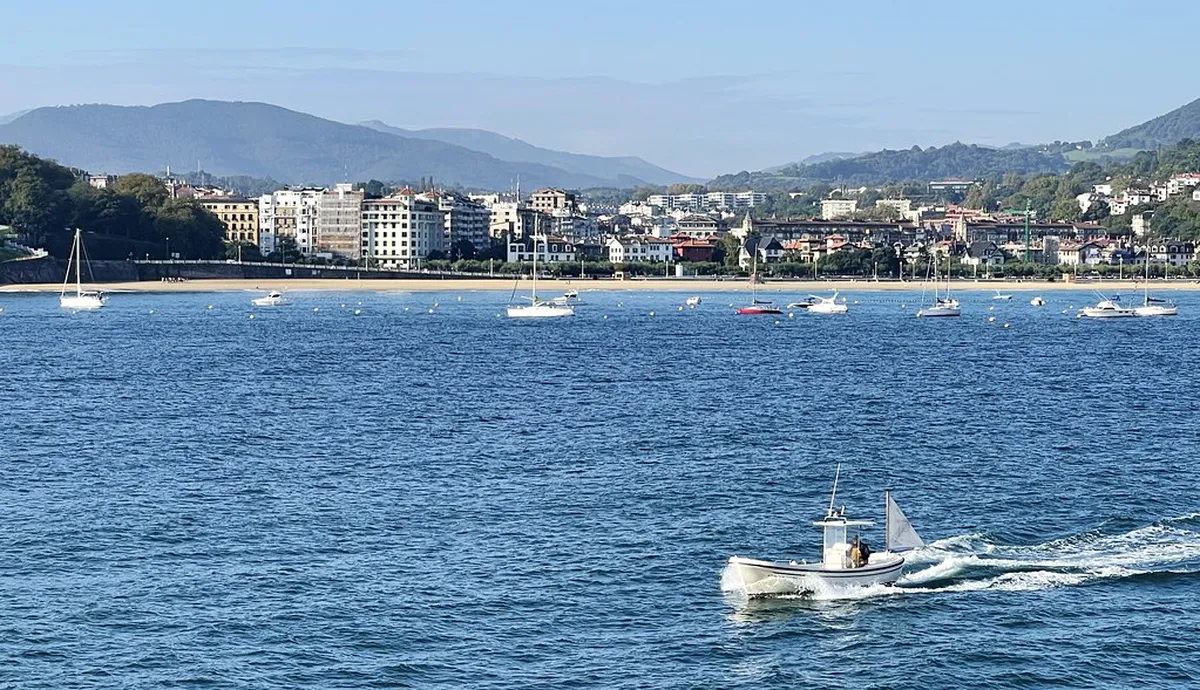
Choosing where to spend your day in Punta del Este can be difficult for many travelers. The primary difference between Playa Mansa and Playa Brava lies in the behavior of the water. One side offers calm, lake-like conditions while the other faces the powerful Atlantic Ocean. This unique geography allows visitors to experience two different worlds within walking distance of each other. Knowing which coast suits your style will maximize your holiday enjoyment in 2026.
- Pick Playa Mansa if you want calm water and stunning sunsets.
- Pick Playa Brava if you enjoy surfing and seeing famous landmarks.
- Pick Playa Mansa if you are traveling with toddlers or young children.
- Pick Playa Brava for a high-energy atmosphere and saltier air.
Primary differences in water and layout
The layout of Punta del Este is defined by a narrow peninsula that splits the coastline. On the western side, you will find the Rio de la Plata. Because this area is sheltered, the water remains very still and shallow. This is why the beach is named Mansa, which means "tame" or "calm" in Spanish.
On the eastern side, the coast opens directly into the Atlantic Ocean. This exposure creates much stronger winds and significantly larger waves. The name Brava translates to "brave" or "wild," referring to the rugged nature of the sea. You can easily walk from one side to the other in about ten minutes.
The sandy composition also varies slightly between the two locations. Mansa usually features finer, softer sand that is easy for walking. Brava often has thicker sand and more shells due to the crashing waves. Visitors should explore the best beaches in Punta del Este to find their favorite spot.
Exploring the calm shores of Playa Mansa
Playa Mansa is the top choice for anyone looking for a relaxing day. The water here is often as still as a swimming pool. This makes it perfect for stand-up paddleboarding, kayaking, or slow swimming. Local families love this side because children can play safely near the shore.
As the day ends, this beach becomes the most popular place in the city. Since it faces west, it offers the most spectacular sunset views in Uruguay. Many people bring chairs and drinks to watch the sun drop below the horizon. It is a peaceful ritual that defines the local summer experience.
There are several "paradores" or beach bars located along the wooden boardwalk. These spots serve cold drinks, seafood, and local snacks. If you need a quiet environment, look for best family-friendly beaches in Punta del Este for more specific locations along the Mansa coast.
Surfing and icons at Playa Brava
Playa Brava represents the adventurous spirit of the Atlantic coast. This side is most famous for "La Mano," a giant sculpture of fingers emerging from the sand. It is perhaps the most photographed spot in all of Uruguay. Tourists flock here daily to take pictures with the iconic landmark.
For sports fans, Brava is the place to be. The consistent swells make it a haven for surfers and bodyboarders of all levels. If you want to catch waves, check out where to find surfing beaches in Punta del Este. The water is colder and the currents are much stronger than on the Mansa side.
Safety is taken seriously on this wilder coast. Lifeguards are stationed at regular intervals to monitor the swimmers. You should always check the flags before entering the water. A red flag means the sea is dangerous, while a green flag indicates safe conditions.
The final verdict for your trip
Deciding which beach to visit depends on your daily mood. Many visitors spend their mornings on Brava to enjoy the energy and sea breeze. They then move to Mansa in the late afternoon for a calm swim and the sunset. This allows you to experience the full range of the city's natural beauty.
| Feature | Playa Mansa | Playa Brava |
|---|---|---|
| Water Type | Calm and shallow | Rough with big waves |
| Best For | Families and swimmers | Surfers and photographers |
| Main Attraction | Incredible sunsets | La Mano (The Hand) sculpture |
| Vibe | Relaxed and quiet | Active and energetic |
| Wind Level | Usually low | Moderate to high |
Accessibility is excellent for both areas from the city center. You can find maps and more details on the Ministerio de Turismo website. If you are staying downtown, you are likely only a short walk from either coast. Consult the Intendencia de Maldonado for local transport and parking updates.
Frequently Asked Questions
Can I walk between Playa Mansa and Playa Brava?
Yes, you can easily walk between them. The peninsula is very narrow at its center. It takes about 10 to 15 minutes to walk from the calm water of the Mansa side to the waves of the Brava side. This makes it easy to switch environments.
Which beach is better for children?
Playa Mansa is significantly better for young children. The water is shallow and there are almost no waves. This allows kids to play safely at the water's edge. Playa Brava is often too rough for small children to swim comfortably or safely.
Which beach has better restaurants?
Both beaches have excellent paradores (beach restaurants). Mansa tends to have more traditional family spots. Brava features trendier beach clubs that often play music and host social events. Both sides offer high-quality Uruguayan cuisine and fresh seafood throughout the summer season.
Ultimately, the difference between Playa Mansa and Playa Brava gives Punta del Este its unique charm. You don't have to choose just one; you can enjoy the best of both worlds in a single day. Mansa offers peace and golden sunsets, while Brava provides adrenaline and iconic sights. To plan more of your itinerary, see our guide on top attractions near Punta del Este for 2026. Pack your sunscreen and enjoy the diverse shores of Uruguay's most famous resort city.
Official resources
Use these sources for official schedules, tickets, routes, and updates.
- Ministerio de Turismo — unverified: national tourism board
- Intendencia de Maldonado — unverified: municipal government
- Lonely Planet — unverified: major editorial travel guide
- Aeropuerto de Punta del Este — unverified: international airport authority
- Museo Ralli — unverified: major cultural institution