
Epic Drive from Salta to Cafayate: The Ultimate Road Trip
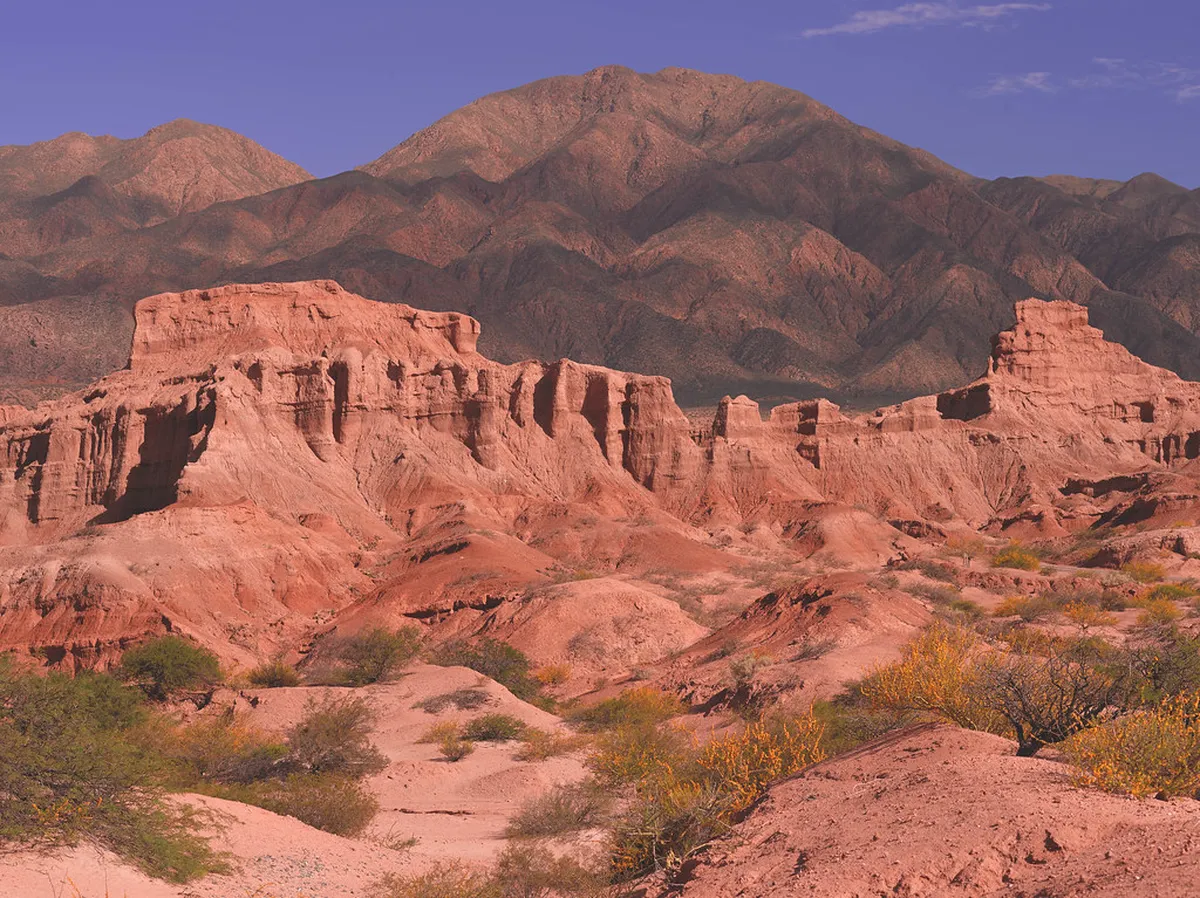
The drive from Salta to Cafayate is one of South America's most iconic road trips. This 189-kilometer journey takes you through the heart of the Calchaquí Valleys. You will follow National Route 68 through a landscape of deep red canyons. Most travelers take about three to four hours for the direct journey. However, you should allow a full day to enjoy the scenery. Many visitors prefer a Quebrada de las Conchas stops itinerary to see the best geology. From towering rock cathedrals to wind-sculpted towers, the views are breathtaking. This guide covers everything you need for a safe and memorable trip.
Planning Your Drive from Salta to Cafayate
When you start your drive from Salta to Cafayate, preparation is key. The road is fully paved but features many sharp curves and narrow stretches. You will cross several bridges over riverbeds that fill during the summer rains. It is wise to check the local weather before setting out from Salta. The high desert sun can be very intense throughout the year. Bring plenty of water and wear high-SPF sunscreen during your stops.
Car rental agencies are plentiful in Salta city and at the airport. You do not need a 4x4 vehicle for this specific paved route. However, a car with good ground clearance makes parking at trailheads easier. Most visitors enjoy visiting between March and November for dry, sunny weather. High summer (January and February) can bring heavy rains that occasionally block the road. Always carry your driver's license and passport for potential police checkpoints along the highway.
- Best Overall Stop: El Anfiteatro (The Amphitheater)
- Best for Families: Cabras de Cafayate Cheese Farm
- Best Free Activity: All Quebrada de las Conchas viewpoints
- Best Photography: Los Castillos (The Castles)
10 Essential Stops on the Road to Cafayate
This section outlines the most important places to pull over. Each spot offers unique rock colors and shapes. Please use the designated parking areas to avoid blocking traffic. Follow all signs to protect the fragile desert environment. Here are the top items for your itinerary:
-
Name: Los Castillos (The Castles)
Type: viewpoint
Why go: These tall, red cliffs look like medieval fortress walls from a distance.
Best for: Photographers seeking early morning light.
Where: Approximately KM 19 of Route 68.
Time: 15 minutes.
Cost: Free.
Getting there: Clearly marked pull-off area on the side of the road.
Tip: Look for the "Queen's profile" rock nearby. -
Name: El Sapo (The Toad)
Type: sight
Why go: A rock formation that perfectly resembles a massive toad sitting by the road.
Best for: Families with children and quick photo ops.
Where: KM 34 of Route 68.
Time: 10 minutes.
Cost: Free.
Getting there: Small parking space immediately next to the formation.
Tip: This is one of the most famous stops for bus tours, so visit early. -
Name: El Anfiteatro (The Amphitheater)
Type: iconic sight
Why go: A massive natural cave with incredible acoustics and high red walls.
Best for: Music lovers and hikers.
Where: KM 46 of Route 68.
Time: 30-45 minutes.
Cost: Free (donations for local musicians).
Getting there: Short walk from the large roadside parking lot.
Tip: Buy a handmade instrument from the local musicians often playing inside. -
Name: Garganta del Diablo (Devil's Throat)
Type: sight
Why go: A deep, narrow canyon with sheer vertical walls that you can partially climb into.
Best for: Adventure seekers and active travelers.
Where: KM 47, right next to the Amphitheater.
Time: 30 minutes.
Cost: Free.
Getting there: Walk 100 meters from the parking area.
Tip: Wear shoes with good grip as the sand can be slippery on the rocks. -
Name: El Obelisco (The Obelisk)
Type: viewpoint
Why go: A tall, pointed spire that stands alone against the blue sky.
Best for: Quick panoramic views of the valley.
Where: KM 22 of Route 68.
Time: 10 minutes.
Cost: Free.
Getting there: Drive into the dusty pull-out area.
Tip: Great spot for a 360-degree video of the red mountains. -
Name: Las Ventanitas (The Little Windows)
Type: viewpoint
Why go: Curious holes in the rock face that look like windows into the canyon.
Best for: Landscape lovers.
Where: KM 20 of Route 68.
Time: 15 minutes.
Cost: Free.
Getting there: Visible from the road with a small parking shoulder.
Tip: Use a zoom lens to capture the details of the eroded stone. -
Name: La Punilla
Type: nature/viewpoint
Why go: This area provides wide views of the riverbed and colorful stratification.
Best for: Geology enthusiasts.
Where: North end of the Quebrada de las Conchas.
Time: 20 minutes.
Cost: Free.
Getting there: Accessible by car directly on the main highway.
Tip: Check out the contrast between the green shrubs and red soil. -
Name: Museo de la Vid y el Vino
Type: museum
Why go: A modern and interactive look at the history of high-altitude wine.
Best for: Indoor activity during hot afternoons.
Where: Center of Cafayate town.
Time: 1.5 hours.
Cost: Moderate fee.
Getting there: Walkable from the main square of Cafayate.
Tip: Visit the Museum of Vine and Wine before starting your winery tours. -
Name: Bodega Vasija Secreta
Type: experience
Why go: One of the oldest wineries in the region with an excellent local museum.
Best for: Tasting Torrontés wine.
Where: North entrance of Cafayate.
Time: 1-2 hours.
Cost: Free entry; tastings have a fee.
Getting there: Located right on Route 68 as you enter town.
Tip: Book one of the best Cafayate winery tours in advance for a full cellar visit. -
Name: Cabras de Cafayate
Type: unique local experience
Why go: A working goat farm where they produce incredible artisanal cheeses.
Best for: Foodies and families.
Where: Edge of Cafayate town.
Time: 1 hour.
Cost: Small entry fee.
Getting there: Short taxi ride or 20-minute walk from the plaza.
Tip: Try the goat cheese tasting platter with local wine.
Tips for a Safe Trip Through the Quebrada
Driving in northwestern Argentina is generally safe and enjoyable. However, local conditions can change quickly. Cell phone signal is very spotty once you leave the outskirts of Salta. It is smart to download offline maps before you depart. Make sure your spare tire is inflated and in good condition. There are no gas stations between the towns of Alemanía and Cafayate. Fill your tank completely in Salta to avoid any anxiety on the road.
Watch out for local wildlife and livestock crossing the highway. Goats and donkeys often wander onto the asphalt in the afternoons. If you see a cluster of parked cars, slow down immediately. Other tourists may be crossing the road to take photos. The winds in the Quebrada can be quite strong and gusty. Keep both hands on the wheel when driving through narrow canyon gaps. If you feel tired, find a safe pull-out and rest in the shade.
Arrival and Next Steps in Cafayate
Once you finish your drive from Salta to Cafayate, head toward the main plaza. The Plaza 20 de Febrero is the heart of the town’s social life. You will find many cafes and artisan shops tucked into the surrounding streets. Cafayate is famous for its Torrontés, a crisp white wine. After checking into your hotel, a stroll through the town is recommended. Many hotels are historic colonial buildings with beautiful interior courtyards.
Parking in Cafayate is easy, but the center can get busy during festivals. Most visitors stay at least two nights to explore the surrounding vineyards. Consider top attractions near Cafayate for your second day in the area. You can find more information about the city on the Cafayate Wikipedia page. Make dinner reservations early if you visit during a holiday weekend. The local empanadas are famous for being baked in clay ovens.
Frequently Asked Questions
How long does it take for the drive from Salta to Cafayate?
The direct drive takes approximately 3 to 3.5 hours on Route 68. However, most tourists spend 5 to 6 hours total. This allows enough time for photography and exploring the main rock formations. Start early to avoid the heat and heavy bus traffic in the late morning.
Is the road to Cafayate paved and safe for small cars?
Yes, National Route 68 is fully paved and maintained. It is safe for standard economy cars and does not require a 4x4. Some parking areas may have loose gravel, so drive slowly when pulling off. Be cautious of occasional potholes and loose rocks after rainstorms.
What is the best time of day to start the drive?
Leaving Salta between 8:00 AM and 9:00 AM is ideal. This timing ensures the sun illuminates the red rocks from the east. It also allows you to reach Cafayate in time for a late winery lunch. Sunset drives are beautiful but can be challenging due to narrow winding roads.
The drive from Salta to Cafayate is a highlight of any Argentinian itinerary. By visiting the 10 stops listed above, you will see the best of the Quebrada de las Conchas. Remember to drive carefully, stay hydrated, and bring your camera. For more ideas in the region, check out our guide to best Cafayate winery tours. Enjoy the stunning scenery of the Calchaquí Valleys!
Official resources
Use these sources for official schedules, tickets, routes, and updates.
- Turismo Salta — Official provincial tourism board; unverified.
- Visit Argentina — Official national tourism board; unverified.
- UNESCO World Heritage Centre — Official UNESCO listing for regional heritage; unverified.
- Lonely Planet — Major international travel guide; unverified.
- Museo de la Vid y el Vino — Official museum of the city; unverified.
- Aeropuertos Argentina 2000 — Official airport authority for the region; unverified.