
Guide to Visiting The Amphitheater in Cafayate and Nearby Sights
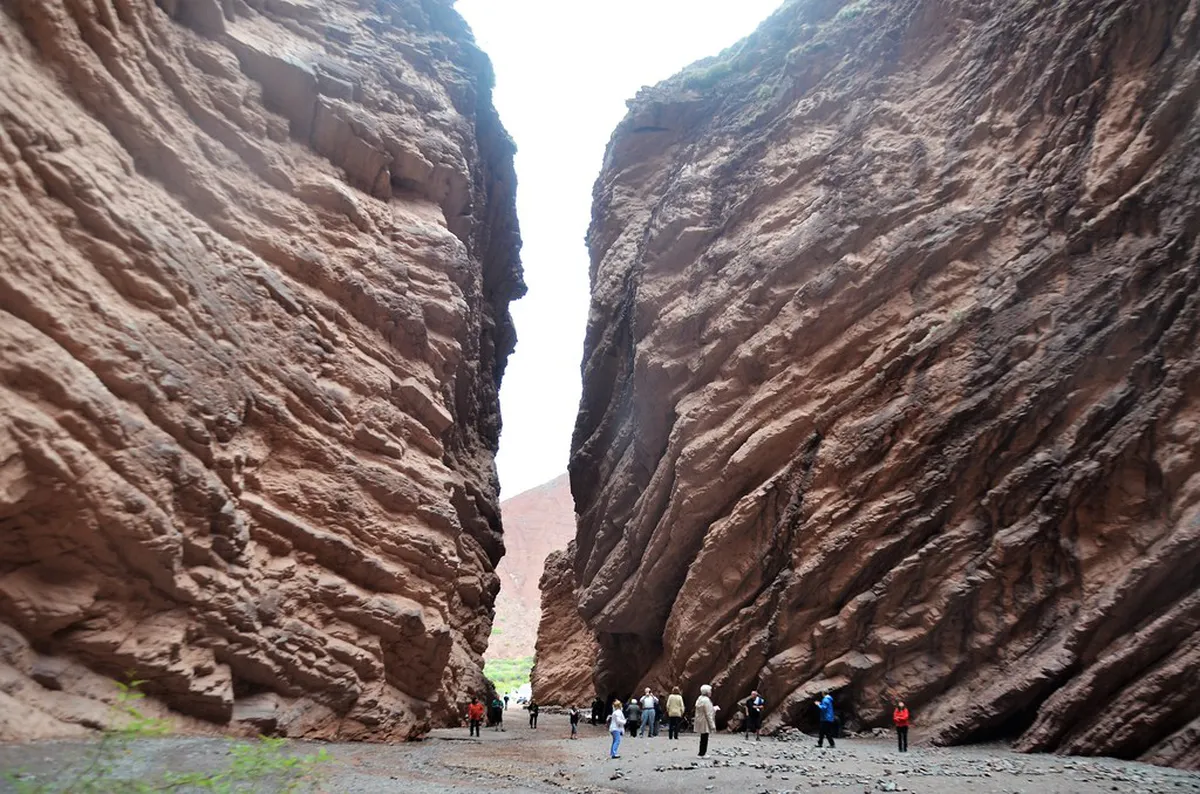
The Amphitheater in Cafayate is a breathtaking natural rock formation in Northwest Argentina. Located in the stunning Quebrada de las Conchas, its massive red walls soar high into the sky. This ancient canyon offers amazing acoustic properties that attract musicians from across the region. Travelers visit to experience the silence, the echo, and the vibrant desert colors. In this guide, we explore the best ways to enjoy this geological wonder and its nearby attractions. Whether you are driving from Salta or staying in town, these stops are essential for your itinerary.
Quick Guide to The Amphitheater in Cafayate
For practical details and last-minute changes, use Turismo Salta.
You can find the latest updates on Municipalidad de Cafayate.
Planning a trip to the red canyons of Salta requires some basic knowledge. The Amphitheater in Cafayate is the most famous stop along National Route 68. It is easy to access but can get busy during peak hours. You should aim to arrive early in the morning to enjoy the natural echo in peace. Local musicians often perform folk songs inside the rock chamber during midday.Here are a few quick picks for travelers on a tight schedule:
- Best Overall: The Amphitheater (El Anfiteatro)
- Best for Families: The Frog (El Sapo) rock formation
- Best Rainy-Day Attraction: Museum of Vine and Wine
- Best Free Activity: Scenic photography at The Castle (El Castillo)
Most visitors spend about 30 minutes at the main site. However, the entire valley deserves a full day of exploration. Consider renting bicycles in Cafayate for an active way to see the route. The terrain is relatively flat near the main entrance areas.
12 Top Sights Near The Amphitheater in Cafayate
The drive through the Shells Ravine offers many unique geological formations. Each site has a distinct shape and history that dates back millions of years. This list includes the top icons and hidden gems you should visit on your journey. Use this list to plan your route through the colorful mountains of northern Argentina.
-
Name: El Anfiteatro (The Amphitheater)
Type: Sight
Why go: It is a natural skyscraper of stone with incredible acoustic sound.
Best for: Photographers and music lovers.
Where: 46km north of Cafayate on Route 68.
Time: 30-45 minutes.
Cost: Usually free (donations for musicians).
Tip: Stand in the very center and hum to test the echo. -
Name: Garganta del Diablo (Devil’s Throat)
Type: Experience
Why go: This deep, narrow canyon allows you to walk into the mountain.
Best for: Adventure seekers.
Where: Just 2km north of the Amphitheater.
Time: 40 minutes.
Cost: Free.
Tip: Wear shoes with good grip to climb the lower rocks safely. -
Name: El Castillo (The Castle)
Type: Viewpoint
Why go: These red cliffs look like a medieval fortress from a distance.
Best for: Sunset views.
Where: Route 68, near the 19km marker.
Time: 15 minutes.
Cost: Free.
Tip: Visit in the late afternoon for the deepest red colors. -
Name: El Sapo (The Frog)
Type: Sight
Why go: A distinct rock that looks exactly like a sitting toad.
Best for: Families with children.
Where: Roadside stop north of the Amphitheater.
Time: 10 minutes.
Cost: Free.
Tip: Look for the small craft market usually located right next to it. -
Name: El Fraile (The Friar)
Type: Sight
Why go: A formation that resembles a monk overlooking the desert.
Best for: Quick photo stops.
Where: Route 68, closer to Cafayate town.
Time: 10 minutes.
Cost: Free.
Tip: Use a zoom lens to capture the details of the "monk's" face. -
Name: Museum of Vine and Wine
Type: Museum
Why go: Learn about the unique high-altitude wines of the Calchaquí Valleys.
Best for: History buffs and wine enthusiasts.
Where: Downtown Cafayate.
Time: 1.5 hours.
Cost: Moderate.
Tip: Check the museum shop for local wine varieties not found elsewhere. -
Name: Rio Colorado Waterfall
Type: Activity
Why go: A refreshing desert hike leading to multiple tiers of waterfalls.
Best for: Active hikers.
Where: Just outside Cafayate at the entry of the valley.
Time: 3-4 hours.
Cost: Small guide fee often required.
Tip: Go with a local guide to find the higher, more impressive falls. -
Name: Cabras de Cafayate
Type: Experience
Why go: See how goat cheese is produced and pet the baby goats.
Best for: Foodies and families.
Where: Edge of Cafayate town.
Time: 1 hour.
Cost: Budget-friendly tasting fee.
Tip: Buy the seasoned goat cheese to enjoy with a local Torrontés wine. -
Name: Los Colorados
Type: Nature
Why go: Vast red sand dunes and hills perfect for short walks.
Best for: Solo explorers.
Where: Near the access to Route 68.
Time: 1 hour.
Cost: Free.
Tip: This area is very hot; bring plenty of water even for short walks. -
Name: San Carlos Village
Type: Day trip
Why go: A colonial town older than Cafayate with beautiful handicrafts.
Best for: Cultural immersion.
Where: 25 minutes north of Cafayate town.
Time: 3 hours.
Cost: Free access.
Tip: Visit the local weaving workshops to see traditional looms in action. -
Name: Quebrada de las Flechas
Type: Day trip
Why go: Sharp, arrow-like gray rocks that create a lunar landscape.
Best for: Photographers.
Where: On Route 40, about 1.5 hours north.
Time: Half-day trip.
Cost: Free.
Tip: The road is gravel; ensure your vehicle is ready for some bumps. -
Name: El Obelisco (The Obelisk)
Type: Sight
Why go: A tall, thin spire of rock that stands alone against the valley.
Best for: Geology fans.
Where: Along Route 68.
Time: 10 minutes.
Cost: Free.
Tip: This is a great spot to see the different colored layers of earth.
Planning Your Visit to The Amphitheater
Getting to the Amphitheater in Cafayate is straightforward but requires some planning. Most travelers arrive as part of a drive from Salta to Cafayate. The road is fully paved and offers spectacular views every mile. Small tour vans regularly leave from the main plazas of both cities.
For more freedom, consider a private car rental. This allows you to stop at every formation without a rush. If you have limited mobility, the main highlights are accessible. You can read about the accessibility of the amphitheater rock formation online before you go. Most stops are within a short walk of the parking areas.
Parking at the major sites is usually free or very cheap. You will often see local vendors selling snacks and crafts. It is polite to carry small Argentine Peso bills for tips. Restrooms are scarce along the ravine route, so plan accordingly. Cafayate town is the best place for a full meal and fuel.
Acoustics and Local Culture at the Rock Formation
The Amphitheater in Cafayate is world-famous for its natural acoustic design. The curved walls act like a massive stone speaker. If someone whispers at one side, you can often hear them clearly far away. This unique environment creates a spiritual atmosphere for many visitors. It is a central part of the Calchaquí Valley's natural heritage.
Local musicians often hang out here to play the charango or flute. Their music fills the chamber and creates a hauntingly beautiful sound. If you are lucky, you might hear professional folk groups practicing. You can learn how to hear acoustic music by checking local event schedules. Typically, musicians perform during the busiest hours between 11:00 AM and 3:00 PM.
Please remember to respect the site. The formations are delicate, and trash should always be carried out. This area is protected under provincial laws to preserve its beauty. Following the marked paths helps prevent erosion of the soft red sandstone. Your visit supports the local economy of the Salta province.
Frequently Asked Questions
Is there an entrance fee for the Amphitheater in Cafayate?
There is currently no official entrance fee for the Amphitheater. Most sights in the Quebrada de las Conchas are free to access from the road. However, local musicians and site maintainers often ask for small voluntary donations. It is helpful to carry small bills in Pesos for this purpose.
Can I visit the Amphitheater by bus from Cafayate?
Yes, you can take a regional bus heading toward Salta and ask to be dropped off. However, getting back can be difficult if you do not have a pre-arranged pick-up. Many travelers prefer renting a bike or booking a half-day tour from the town center instead.
What is the best time of year to visit?
The best time to visit is during the spring or fall. From September to November and March to May, temperatures are mild. Summer can be very hot, with temperatures often exceeding 30°C. Winter is dry and sunny but can be cold at night.
The Amphitheater in Cafayate is more than just a rock formation; it is a sensory experience. From the deep red hues of the canyon to the haunting echoes of local music, it stays in your memory. For the best trip, combine your visit with a stop at the best Cafayate winery tours in town. This region offers a perfect blend of natural wonder and cultural richness. Don't forget your camera and plenty of sunscreen for the desert sun. Plan your Salta adventure now and discover the magic of the Calchaquí Valleys.
Official resources
Use these sources for official schedules, tickets, routes, and updates.
- Turismo Salta — Official provincial tourism board; unverified.
- Visit Argentina — Official national tourism board; unverified.
- UNESCO World Heritage Centre — Official UNESCO listing for regional heritage; unverified.
- Lonely Planet — Major international travel guide; unverified.
- Museo de la Vid y el Vino — Official museum of the city; unverified.
- Aeropuertos Argentina 2000 — Official airport authority for the region; unverified.