
The Ultimate Salinas Grandes Salt Flats Tour Guide
Are you looking for the best Salinas Grandes salt flats tour from Salta? These vast white plains sit high in the Andes mountains. They offer some of the most surreal landscapes in Argentina. Most tours depart early from the city of Salta. You will climb through winding mountain roads to reach the high plateau. This trip is more than just a quick photo op. It involves visiting colorful villages and crossing massive mountain passes. Plan your 2026 adventure using our detailed guide below.
Planning Your Salinas Grandes Salt Flats Tour
A Salinas Grandes salt flats tour typically takes a full day. Most groups leave Salta around 7:00 AM. You will spend about 12 hours exploring the puna landscape. You can book these trips through local agencies or online platforms. Many travelers choose to combine this with a Purmamarca day trip guide for the best value. Prices vary depending on if you choose a large bus or a private 4x4 vehicle.
The journey involves significant altitude changes. You will start at 1,187 meters in Salta city. The salt flats sit at roughly 3,450 meters. Some mountain passes on the way exceed 4,100 meters. Proper hydration is vital for this trip. Many guides provide coca leaves or tea to help with the thin air. Check the Argentina Travel site for seasonal weather updates before you go. Summer months can bring occasional rain which creates a mirror effect on the salt.
Expect to see diverse wildlife during your drive. Keep an eye out for vicuñas and Andean foxes. The roads are paved but have many sharp turns. If you prefer a more structured route, look for tours that sync with the Train to the Clouds schedule. Always bring cash in Argentine Pesos. Many small villages on the route do not accept credit cards. This ensures you can buy local crafts and snacks easily.
10 Must-See Stops on a Salinas Grandes Tour
The circuit between Salta and the salt flats is packed with highlights. Here are the top items to include in your itinerary. Each one offers a unique glimpse into the culture and geology of northern Argentina.
- Quick Pick: Best Photo Spot - The salt pools at Salinas Grandes.
- Quick Pick: Best for History - Santa Rosa de Tastil ruins.
- Quick Pick: Best for Souvenirs - Purmamarca Market.
-
Name: Purmamarca Village
Type: sight
Why go: This ancient village sits at the base of vibrant mountains. It is the most famous town in the region.
Best for: Culture and photography.
Where: Quebrada de Humahuaca.
Time: 1-2 hours.
Cost: Free to enter.
Getting there: Main stop on all tours from Salta.
Tip: Visit the artisan market in the main square for high-quality ponchos. -
Name: Hill of Seven Colors
Type: viewpoint
Why go: The rock layers show millions of years of geological history. The colors are brightest in the morning light.
Best for: Landscape photographers.
Where: Overlooking Purmamarca.
Time: 30 minutes.
Cost: Free.
Getting there: Walking distance from Purmamarca center.
Tip: Walk the Los Colorados trail for a better view of the back side. -
Name: Cuesta del Lipán
Type: viewpoint
Why go: This is a famous zigzagging road that climbs to 4,170 meters. The views of the valley below are breathtaking.
Best for: Thrill-seekers and panoramic views.
Where: Between Purmamarca and the salt flats.
Time: 20-minute stop.
Cost: Free.
Getting there: Included in the driving route.
Tip: Have your camera ready for the top viewpoint at the stone marker. -
Name: Santa Rosa de Tastil
Type: sight
Why go: Explore one of the largest pre-Inca ruins in the country. It offers a deep look into ancient Andean civilizations.
Best for: History buffs.
Where: Quebrada del Toro.
Time: 45 minutes.
Cost: Small donation suggested.
Getting there: Common stop on the road to San Antonio.
Tip: Visit the small site museum to see the well-preserved mummy found nearby. -
Name: San Antonio de los Cobres
Type: experience
Why go: This high-altitude mining town feels like the end of the world. It is the main hub for the Puna region.
Best for: Experiencing the rugged Andean lifestyle.
Where: Salta Province highlands.
Time: 1 hour.
Cost: Free to explore.
Getting there: Via Route 51 from Salta.
Tip: Try the local llama steak at a mountain restaurant here. -
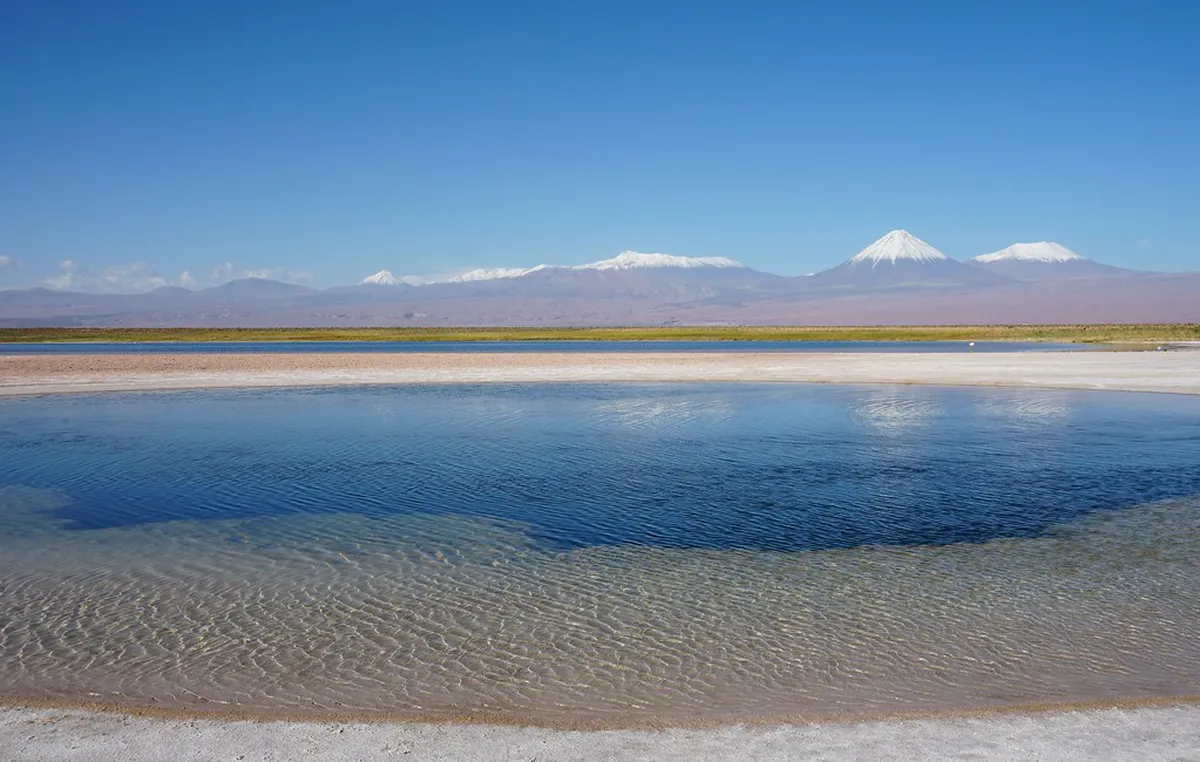
Name: Salinas Grandes Salt Pools
Type: activity
Why go: These turquoise rectangular pools are carved into the salt to extract minerals. They contrast beautifully with the white crust.
Best for: Creative forced-perspective photos.
Where: Center of the salt flats.
Time: 1 hour.
Cost: Usually included in tour price.
Getting there: Local guides lead you from the main parking area.
Tip: Bring small toys or props for funny perspective photos. -
Name: Abra de Potrerillo
Type: viewpoint
Why go: This is the highest point on the mountain crossing. It offers a clear view of the salt flats in the distance.
Best for: Seeing the scale of the desert.
Where: Top of the Lipán slope.
Time: 10 minutes.
Cost: Free.
Getting there: Roadside stop.
Tip: Be careful when exiting the vehicle as the wind can be very strong. -
Name: Los Colorados Trail
Type: activity
Why go: This easy 3km loop takes you through deep red rock formations. It feels like walking on Mars.
Best for: Stretching your legs after a long drive.
Where: Just behind Purmamarca.
Time: 1 hour.
Cost: Free.
Getting there: Walkable from the village square.
Tip: Do this walk early to avoid the midday heat and dust. -
Name: Salt Artisan Stalls
Type: experience
Why go: Local workers carve small llamas and cacti out of pure salt blocks. These are the most unique souvenirs from the region.
Best for: Supporting local communities.
Where: Entrance to Salinas Grandes.
Time: 15 minutes.
Cost: $2-$10 for items.
Getting there: Located at the tour parking lot.
Tip: These items are fragile; wrap them well for your flight home. -
Name: Quebrada del Toro
Type: sight
Why go: The valley features dramatic rock shapes and cardon cacti. It follows the path of the old railway.
Best for: Scenic driving enthusiasts.
Where: Route 51 west of Salta.
Time: Ongoing during the drive.
Cost: Free.
Getting there: Part of the standard tour loop.
Tip: Watch for the famous zigzag track where the train climbs the mountain.
Essential Tips for High Altitude Travel
A Salinas Grandes salt flats tour requires some physical preparation. The high altitude can cause headaches or dizziness for some visitors. Drink plenty of water the day before your trip. Avoid heavy meals and alcohol on the night you arrive in Salta. If you feel unwell, inform your guide immediately. Most tour companies carry oxygen tanks for guests who struggle with the elevation.
Protecting yourself from the sun is the next priority. The white salt reflects sunlight with intense brightness. You must wear high-SPF sunscreen and polarized sunglasses. A wide-brimmed hat is also essential. Even when it feels cool, the UV rays are extremely strong at 3,400 meters. Wear layers of clothing as it can be very windy and cold on the flats.
For the best photos, wear bright colors like red, yellow, or blue. These pop against the stark white background of the flats. Charge your camera batteries fully because cold temperatures drain them faster. If you want to see more of the province, check out a Salta scenic drive routes guide for further inspiration. Always follow the instructions of local guides when walking on the salt to avoid thin spots.
Extending Your Trip Near Salta
After your salt flats adventure, explore more of the region. Many people stay in Salta city for several days. You can visit the MAAM museum visitor guide to see the famous high-altitude mummies. These artifacts come from the same volcanoes you will see on your tour. The city also offers vibrant nightlife and folk music venues known as peñas.
If you enjoy nature, consider a Los Cardones Park guide day trip. This park features thousands of giant cacti against a backdrop of snowy peaks. It is a completely different landscape from the salt flats. Another popular option is visiting the Cafayate wine region guide for world-class Torrontés white wine. This area is famous for its red rock canyons and vineyards.
For those interested in local villages, a Cachi village travel guide is highly recommended. Cachi offers a colonial feel and very peaceful atmosphere. It is another high-altitude destination but with more greenery. All these spots are reachable within a few hours of Salta. Using the city as your base makes planning very simple. Check the Salta official site for local events and festival dates.
Frequently Asked Questions
What is the best time of year for a Salinas Grandes salt flats tour?
The best time is between April and November during the dry season. The weather is clear and predictable. However, if you want to see the mirror effect, visit during the rainy season in January or February. Be aware that some roads might close if the rain is too heavy.
How do I get to Salinas Grandes from Salta?
Most travelers book a group tour that includes hotel pickup. You can also rent a car and drive Route 9 and then Route 52. The drive takes about 4 hours each way. Having a tour guide is recommended for first-timers to manage altitude and logistics safely.
Are there restrooms at the Salinas Grandes?
There are very basic ecological restrooms located at the main parking area. They usually charge a small fee in coins or bills. Do not expect luxury facilities in the middle of the high desert. It is best to use the restrooms in Purmamarca before the final climb.
A Salinas Grandes salt flats tour is a bucket-list experience for any traveler in Argentina. From the colorful streets of Purmamarca to the blinding white horizon of the desert, it is a journey of extreme beauty. Remember to pack layers, stay hydrated, and carry plenty of sunscreen. If you have extra time, explore the top attractions near Salta to see everything this region offers. Start booking your 2026 trip now to secure the best guides. The Andes are waiting for you!
Official resources
Use these sources for official schedules, tickets, routes, and updates.
- Salta Turismo — unverified
- Municipalidad de Salta — unverified
- Argentina Travel — unverified
- UNESCO World Heritage Centre — unverified
- Lonely Planet Salta — unverified
- MAAM Museum — unverified
- Parques Nacionales Argentina — unverified