
Top 10 Chachani Climbing Tour Tips for Success in 2026
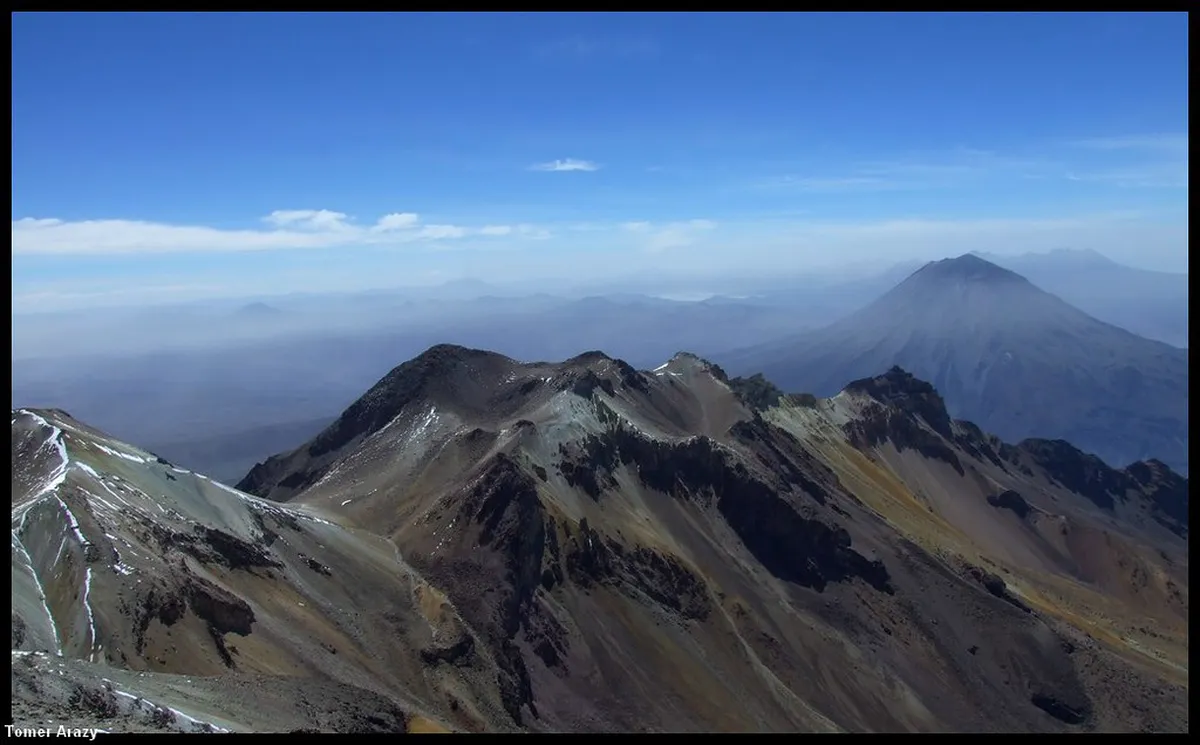
Climbing Chachani is a dream for many hikers visiting Peru. This massive volcano stands at 6,075 meters above sea level. Many people call it the easiest 6,000-meter peak in the world. However, the high altitude remains a serious challenge for everyone. Following expert Chachani climbing tour tips can make the difference between success and failure. You need to prepare your body and mind before arriving in Arequipa. This guide will help you plan every step of your journey. Let's explore how to conquer this iconic Peruvian peak.
Essential Preparation for Chachani Success
Mount Chachani is located north of Arequipa and dominates the local skyline. It forms part of the SERNANP protected area in the heights. While the climb is non-technical, the lack of oxygen is very real. Most hikers spend several days in the city to adjust. This time allows your red blood cells to increase naturally. You should avoid heavy meals and alcohol before your climb starts. Physical fitness is helpful, but altitude tolerance is even more important.
Arequipa sits at 2,335 meters, which is a good starting point. Staying active in the city helps you prepare for higher elevations. You can find many attractions near Arequipa that help with light exercise. Walking through the hilly neighborhoods is a simple way to train. Always listen to your body and rest if you feel dizzy. Mental toughness is also a key factor during the final summit push.
Hiring a licensed professional guide is highly recommended for safety. They provide essential gear like crampons and warm jackets. Guides also know the weather patterns and the best trail routes. They monitor your health and help you maintain a steady pace. Do not try to rush this mountain, as speed often leads to illness. A slow and steady approach is the secret to reaching the top.
10 Vital Chachani Climbing Tour Tips and Stops
Reaching the summit involves more than just the climb itself. You must use the surrounding area to your advantage. Here are ten specific items and locations to include in your plan.
-
Name: Historical Center of Arequipa
Type: sight
Why go: This UNESCO site is the perfect base for your first few days.
Best for: Easy walking and initial acclimatization.
Where: Downtown Arequipa.
Time: 1-2 days.
Cost: Free to walk.
Tip: Drink plenty of water while exploring the white volcanic stone buildings. -
Name: Yanahuara Viewpoint
Type: viewpoint
Why go: It offers the best views of the mountains you will soon climb.
Best for: Training walks with a reward.
Where: Yanahuara neighborhood.
Time: 1 hour.
Cost: Free.
Tip: Walk up the hill from the city center to test your lungs. -
Name: Misti Volcano
Type: experience
Why go: Some climbers use this smaller peak for a practice run.
Best for: Hardcore training before the 6,000m mark.
Where: East of Arequipa.
Time: 2 days.
Cost: $100-$150 for a tour.
Tip: Read a Misti Volcano climbing guide to compare both routes. -
Name: Salinas Lagoon
Type: nature
Why go: This high-altitude lake reaches 4,300 meters above sea level.
Best for: Testing your body at high elevations without climbing.
Where: Salinas y Aguada Blanca Reserve.
Time: Half-day trip.
Cost: $30-$50.
Tip: Look for wild vicuñas and flamingos during the drive. -
Name: Pillones Waterfall
Type: activity
Why go: This hike involves interesting rock formations and moderate elevation.
Best for: A fun training day trip.
Where: San Antonio de Chuca.
Time: Full day.
Cost: $40.
Tip: Wear sturdy boots as the terrain can be slippery near the water. -
Name: Colca Canyon
Type: experience
Why go: Spending 3 days trekking here is the ultimate preparation.
Best for: Building endurance and altitude stamina.
Where: Chivay region.
Time: 2-3 days.
Cost: $60-$120.
Tip: Finish your trek at least two days before starting Chachani. -
Name: Sillar Route
Type: activity
Why go: Learn about the volcanic stone used to build Arequipa.
Best for: A relaxed afternoon between training hikes.
Where: Añashuayco Quarries.
Time: 3 hours.
Cost: $15.
Tip: Use this time to check your gear and finalize 2026 tour bookings. -
Name: Chachani Base Camp
Type: experience
Why go: This is where you will sleep before the midnight summit push.
Best for: Resting and preparing your mental state.
Where: High slopes of Chachani.
Time: Overnight.
Cost: Included in tour.
Tip: Bring a very warm sleeping bag as temperatures drop below freezing. -
Name: Fatima Summit
Type: sight
Why go: This is the "false summit" often reached before the main peak.
Best for: A psychological milestone during the dark hours.
Where: Chachani upper ridge.
Time: 4-5 hours from camp.
Cost: N/A.
Tip: Do not stop for too long here or you will get very cold. -
Name: Monasterio de Santa Catalina
Type: sight
Why go: The peaceful atmosphere is perfect for post-climb recovery.
Best for: Relaxing your muscles after the descent.
Where: Central Arequipa.
Time: 2 hours.
Cost: ~12 USD.
Tip: Walk slowly and enjoy the vibrant colors of this colonial landmark.
What to Pack for Your Arequipa Climb
Temperature control is critical when following Chachani climbing tour tips. The weather can change from sunny to freezing in minutes. You need a three-layer clothing system for maximum comfort. The base layer should wick moisture away from your skin. Avoid cotton, as it stays wet and makes you cold. A warm fleece or down jacket serves as the middle layer. Finally, a waterproof and windproof shell protects you from the elements.
Footwear is another vital part of your gear list. You do not need technical climbing boots for Chachani. However, high-quality, waterproof trekking boots are a must. They should have good ankle support for the scree slopes. Make sure you wear thick wool socks to prevent frostbite. Many tours provide extra gear if you do not have your own. Check with your operator in Arequipa before you leave.
Do not forget the small essentials that save your energy. A high-quality headlamp with extra batteries is required for the night climb. Sunscreen and polarized sunglasses are necessary because the high-altitude sun is intense. Bring a small backpack with a rain cover for your personal items. Packing some high-energy snacks like chocolate or nuts is also smart. These provide quick fuel when you are too tired to eat a meal.
Safety and High Altitude Sickness Prevention
Staying safe is the most important part of your adventure. The main risk on Chachani is Acute Mountain Sickness (AMS). Symptoms include severe headaches, nausea, and extreme fatigue. Many locals recommend chewing coca leaves to help with oxygen absorption. You can also find coca tea in most Arequipa hotels. Always communicate openly with your guide about how you feel. There is no shame in turning back if your health is at risk.
Hydration is your best friend when fighting the effects of altitude. Aim to drink at least three to four liters of water daily. It helps your blood circulate more easily at 6,000 meters. Proper nutrition also supports your energy levels throughout the trek. Eat complex carbohydrates like pasta or potatoes for dinner. Avoid drinking alcohol at least three days before your climb begins. This will help your body focus on oxygen processing.
Check the Peru Travel official site for recent weather updates. Wind speeds on Chachani can be very high during certain months. If the wind is too strong, guides may cancel the summit attempt. Trust their expert judgment as they prioritize guest safety. Most successful climbers reach the summit around sunrise when the air is still. After taking your photos, descend quickly to lower altitudes to feel better.
Frequently Asked Questions
How hard is it to climb Chachani?
Chachani is considered a non-technical climb, meaning no ropes are needed. However, the extreme altitude makes it physically exhausting. It requires a high level of cardiovascular fitness and serious acclimatization. Most people find the final two hours the most difficult part of the journey.
Do I need previous climbing experience for Chachani?
No formal mountain climbing experience is required for this peak. You should be a confident hiker used to steep terrain. If you can hike for six hours straight, you likely have the stamina. The biggest challenge is always the oxygen level rather than the trail difficulty.
What is the best time of year to climb Chachani?
The best window is the dry season from April to October. During these months, the sky is clear and paths are easy to follow. December to March is the rainy season, which can bring snow. Snow makes the climb much harder and often more dangerous for tourists.
Climbing Chachani is a life-changing experience that offers incredible views of Peru. By following these Chachani climbing tour tips, you increase your chances of success. Start your journey by staying in Arequipa and exploring local sights first. Remember to pack the right layers and respect the power of the altitude. If you want more inspiration, check out other attractions near Arequipa for your itinerary. Stay safe, move slowly, and enjoy the breathtaking summit of this volcanic giant.
Official resources
Use these sources for official schedules, tickets, routes, and updates.
- Municipalidad Provincial de Arequipa — Official municipal government portal; unverified.
- Peru Travel — National tourism board; unverified.
- UNESCO World Heritage Centre — International heritage designation; unverified.
- Lonely Planet — Major travel editorial; unverified.
- Monasterio de Santa Catalina — Primary historical landmark; unverified.
- Museo Santuarios Andinos — Official museum site (Juanita the Ice Maiden); unverified.