
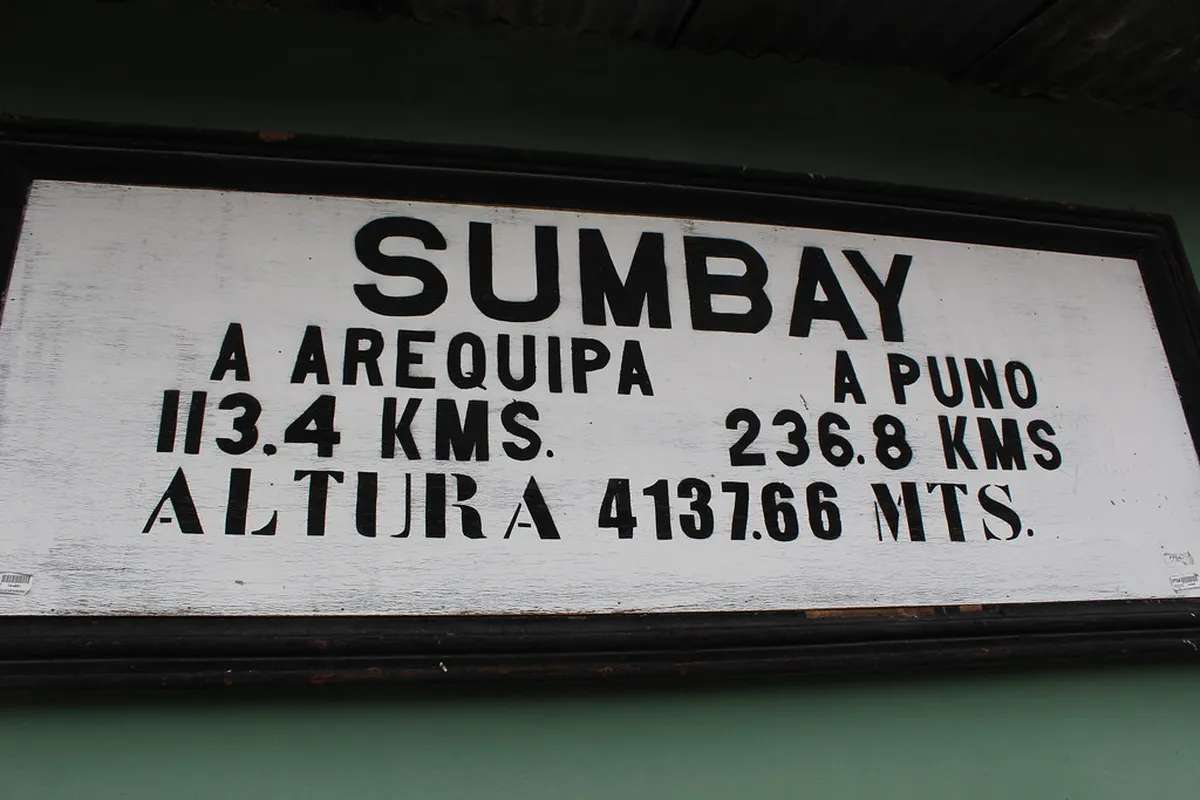
Guide to Sumbay Caves Rock Art and Nearby Sights
Deep in the heart of the Peruvian highlands lies a hidden treasure. The Sumbay Caves rock art offers a rare glimpse into the lives of ancient hunters. These caves sit within the majestic Salinas y Aguada Blanca National Reserve. Visitors can enjoy stunning views of volcanoes while exploring human history. This site is just a few hours from the city of Arequipa.
Many travelers miss this site on their way to more famous spots. However, the artistry found here is truly special. You will see thousands of years of history painted in clay and fat. The landscape surrounding the caves is high, dry, and beautiful. It is perfect for those who love quiet and remote places. If you want top attractions near Arequipa, this should be on your list.
Exploring this area requires some planning due to the altitude. The air is thin but the experience is unforgettable. You can combine a visit with several other nearby natural wonders. In this guide, we will look at the best things to do. We will focus on the caves and the surrounding highland beauty. Get ready for an adventure in the shadows of the Andes.
Secrets of the Sumbay Caves Rock Art
The Sumbay Caves rock art consists of over 500 individual figures. Most of these paintings are between 6,000 and 8,000 years old. They date back to the Paleolithic and Neolithic periods. The artists used ochre, cream colors, and animal fat to create their work. You can still see vivid depictions of guanacos and rheas today.
These paintings show how early humans interacted with their environment. Most figures represent local animals that were hunted for survival. Some paintings also show human figures engaged in ritual or hunting scenes. The level of detail in such a remote location is impressive. It suggests that the caves were a significant cultural hub long ago.
Historians believe these caves provided shelter for nomadic groups. The high altitude made life challenging for these early settlers. Yet, they found time to document their world on stone walls. This site is vital for understanding the pre-Inca history of the region. Many researchers come here to study the evolution of South American art. You can learn more about regional preservation at the UNESCO World Heritage Centre.
10 Best Sights Near Sumbay Caves in 2026
Planning a trip to the highlands requires a good itinerary. Here are the top sights to see at or near the caves. These include historical spots and breathtaking natural landscapes. Most are reachable by day trips from Arequipa city. Be sure to check local weather before you head out.
-
Quick picks:
- Best overall: Sumbay Caves
- Best for families: Sabandia Mill
- Best rainy-day: Museo Santuarios Andinos
- Best free: Yanahuara Viewpoint
-
Name: Sumbay Caves
Type: experience
Why go: This is the main site featuring thousands of years of rock art. The paintings are remarkably well-preserved in a natural volcanic cave setting.
Best for: History buffs and archaeology enthusiasts.
Where: Salinas y Aguada Blanca National Reserve.
Time: 1-2 hours.
Cost: Small entry fee for the reserve.
Getting there: Best reached by private car or tour from Arequipa.
Tip: Bring a flashlight to see darker corners of the caves clearly. -
Name: Laguna de Salinas
Type: nature
Why go: This Salinas Lagoon tour offers views of a vast salt lake. You can see flamingos during the right season.
Best for: Photographers and nature lovers.
Where: Behind the Misti and Pichu Pichu volcanoes.
Time: 3-4 hours.
Cost: Included in most regional reserve tours.
Getting there: 4x4 vehicles are highly recommended for the bumpy roads.
Tip: Visit between January and March to see the flamingos. -
Name: Pillones Waterfall
Type: activity
Why go: This hidden waterfall features unique rock formations that look like columns. A Pillones Waterfall hike is a great way to see basalt pillars.
Best for: Active hikers.
Where: Near the village of San Antonio de Chuca.
Time: Half-day.
Cost: Modest tour fee or parking fee.
Getting there: Often combined with a Sumbay Caves tour.
Tip: Wear waterproof boots as the path can be muddy. -
Name: Toro Muerto Petroglyphs
Type: sight
Why go: If you enjoy rock art, this Toro Muerto tour is essential. It features thousands of volcanic rocks carved with mysterious symbols.
Best for: Cultural history fans.
Where: Majes Valley, a few hours from Arequipa.
Time: 4-6 hours.
Cost: Entrance fee is usually around 10-15 Soles.
Getting there: Accessible via long-distance tours from the city center.
Tip: Wear a sun hat as there is very little shade here. -
Name: Sillar Route
Type: experience
Why go: See where the white volcanic stone of Arequipa is quarried. The Sillar Route tour shows impressive carvings in the canyon walls.
Best for: Art lovers.
Where: Añashuayco district on the city outskirts.
Time: 3 hours.
Cost: Entrance is about 5-10 Soles.
Getting there: Take a taxi or a local tour from the plaza.
Tip: Buy a small souvenir carved by the local masters. -
Name: Yanahuara Viewpoint
Type: sight
Why go: Look through the white arches at Misti Volcano. Use this Yanahuara guide to find the best photo spots.
Best for: View seekers.
Where: Yanahuara district.
Time: 30-60 minutes.
Cost: Free.
Getting there: A short walk or taxi ride from the city center.
Tip: Go early in the morning for the clearest mountain views. -
Name: Sabandia Mill
Type: sight
Why go: This historical water mill is surrounded by lush greenery. It is a peaceful contrast to the high desert. Check the Sabandia Mill guide for details.
Best for: Families and relaxation.
Where: Sabandia district.
Time: 1-2 hours.
Cost: About 10 Soles.
Getting there: 20 minutes by taxi from the center.
Tip: There are often llamas nearby that children will enjoy. -
Name: Misti Volcano
Type: nature
Why go: This is the icon of Arequipa. While climbing is hard, seeing it from the road to Sumbay is amazing.
Best for: Adventure seekers.
Where: Overlooking the city.
Time: Views take minutes; climbing takes 2 days.
Cost: Free to view; climbing tours vary.
Getting there: Visible from almost anywhere in the region.
Tip: Keep your camera ready as you drive toward the caves. -
Name: Colca Canyon
Type: day trip
Why go: This is one of the deepest canyons in the world. A Colca Canyon day trip often passes near the Sumbay region.
Best for: Bucket-list travelers.
Where: province of Caylloma.
Time: 1-3 days.
Cost: Tourist ticket (Boleto Turistico) is about 70 Soles.
Getting there: 3-4 hour drive from Arequipa.
Tip: Look for condors at the Cruz del Condor viewpoint. -
Name: Museo Santuarios Andinos
Type: museum
Why go: Learn about the Incan mummies found on the local peaks. It provides great context for high-altitude archaeology.
Best for: Rainy days.
Where: Near the Plaza de Armas.
Time: 1-2 hours.
Cost: 20-30 Soles.
Getting there: Walking distance from the main square.
Tip: You must go with a guided tour, which is included.
Practical Tips for Visiting the Arequipa Highlands
Visiting the cave area means going to high altitudes. The caves sit at roughly 4,100 meters above sea level. You should spend at least two days in Arequipa first. This helps your body adjust to the thinner air. Drink plenty of water and avoid heavy meals before your trip.
Weather in the highlands can change very quickly. Even in summer, the wind can be quite cold. Wear layers so you can adapt to different temperatures. A sun-block cream is necessary because the UV rays are strong. Check with the SERNANP office for current road conditions.
Transport to the caves is best handled by professionals. The roads can be rough and poorly marked. Hiring a driver ensures you don't get lost in the desert. Most tours leave early in the morning to maximize light. Always carry some cash for small village entrance fees or snacks.
Safety is also important in remote areas. Do not touch or lean on the rock art. The oils from your skin can damage the ancient pigments. Staying behind any barriers helps preserve the site for the future. You can see more local history at the Museo Santuarios Andinos in the city.
Frequently Asked Questions
How old is the Sumbay Caves rock art?
The Sumbay Caves rock art is estimated to be between 6,000 and 8,000 years old. These paintings belong to the Paleolithic and Neolithic periods of South American history. They depict extinct and local animals painted with natural pigments like ochre and iron oxide mixed with fat.
Can I visit the caves without a tour?
Yes, you can visit the caves without a tour if you have a private 4x4 vehicle. However, the route is not well-marked and spans remote highland terrain. Most travelers find that hiring a local guide from Arequipa provides a safer and more educational experience for the trip.
What is the best time of year to visit Arequipa's caves?
The best time to visit is during the dry season from May to October. During these months, the skies are clear and the roads are easier to navigate. The rainy season from January to March can make highland roads muddy and may limit visibility of the distant volcanoes.
The Sumbay Caves rock art is a profound link to our ancient past. Visiting this site offers more than just history; it offers a spiritual connection to the land. Whether you are exploring the salt lagoons or hiking to waterfalls, the Arequipa highlands will surprise you. Remember to pack warm clothes and acclimate slowly to the altitude. For more planning ideas, see our guide on a Colca Canyon day trip. Enjoy your journey into the ancient wonders of Peru in 2026!
Official resources
Use these sources for official schedules, tickets, routes, and updates.
- Municipalidad Provincial de Arequipa — Official municipal government portal; unverified.
- Peru Travel — National tourism board; unverified.
- UNESCO World Heritage Centre — International heritage designation; unverified.
- Lonely Planet — Major travel editorial; unverified.
- Monasterio de Santa Catalina — Primary historical landmark; unverified.
- Museo Santuarios Andinos — Official museum site (Juanita the Ice Maiden); unverified.
- SERNANP - Salinas y Aguada Blanca — National parks authority for local reserve; unverified.