
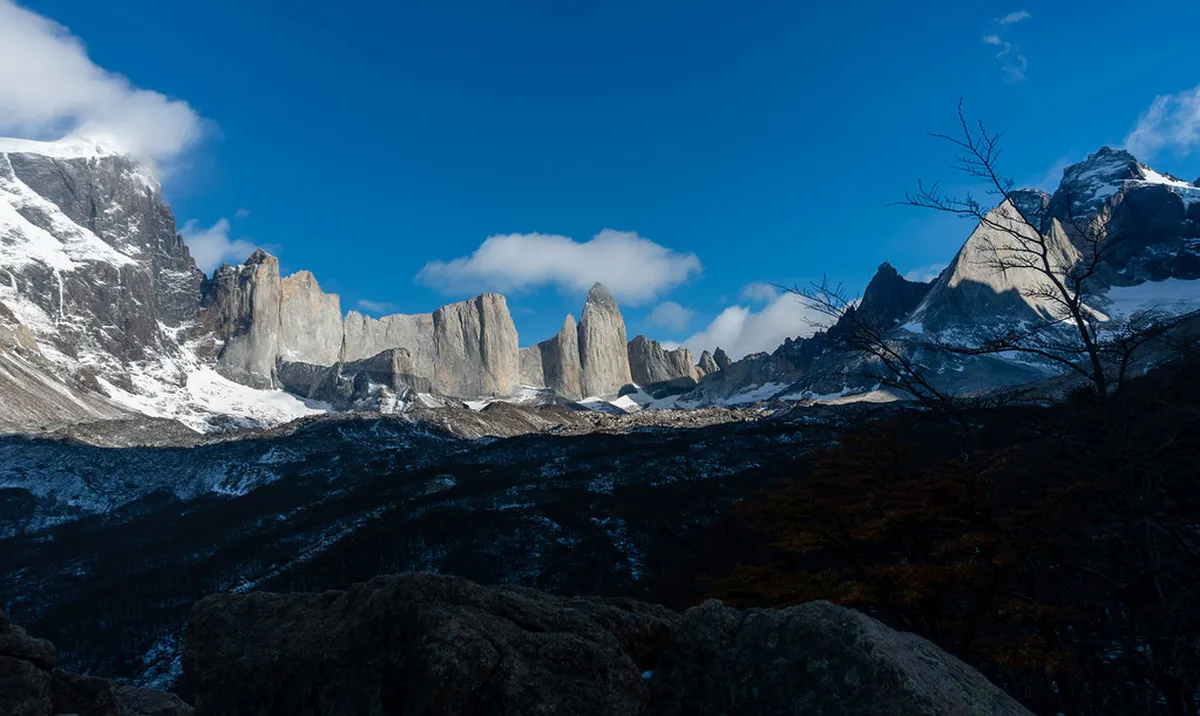
Top Photography Locations in Titankayocc Puya Raimondi Forest
Discovering the best photography spots in Titankayocc forest is a dream for any nature lover. This massive forest sits high in the Peruvian Andes near the historic city of Ayacucho. It preserves thousands of Puya Raimondi plants. These giant bromeliads can reach heights of ten meters. The landscape feels prehistoric and unique. Photographers can capture dramatic silhouettes against the deep blue Andean sky. This guide helps you find the most striking angles for your portfolio in 2026.
Top 10 Photography Spots in Titankayocc Forest
The Titankayocc forest covers thousands of hectares. Finding the right angle takes some exploration. Here are the top locations to set up your tripod. These areas highlight the scale of the world's largest Titankayocc Puya Raimondi forest. Aim for various times of day to catch the shifting light.
- Check the flowering status before you go.
- Bring a wide-angle lens for scale.
- Stay on designated paths to protect seedlings.
-
Name: The Great Forest Plateau
Type: viewpoint
Why go: This area offers a sea of giant puyas stretching to the horizon.
Best for: Panoramic landscape shots.
Where: Central forest zone.
Time: 1-2 hours.
Cost: Included in entry.
Getting there: Walk from the main parking area.
Tip: Use a figure for scale to show plant height. -
Name: Vischongo Valley Overlook
Type: viewpoint
Why go: It provides a contrast between the dry forest and the green valley below.
Best for: Composition with depth.
Where: Eastern edge of the reserve.
Time: 45 minutes.
Cost: Free.
Getting there: Short hike from the forest trail.
Tip: Shoot during the golden hour for warm valley tones. -
Name: The Flowering Giant Spike
Type: experience
Why go: Individual plants in bloom produce thousands of white flowers.
Best for: Macro and detail photography.
Where: Various (look for the tallest spikes).
Time: 30 minutes.
Cost: Nominal entry fee.
Getting there: Accessible by the Interpretive Trail.
Tip: Use a fast shutter speed for wind-blown flowers. -
Name: Hummingbird Thickets
Type: nature
Why go: High-altitude birds feed on the puya nectar.
Best for: Wildlife photography.
Where: Lower, more sheltered slopes.
Time: 2 hours.
Cost: Local guide tip recommended.
Getting there: Side trails near the nursery.
Tip: Bring a 300mm+ telephoto lens for birds. -
Name: Interpretive Trail West Ridge
Type: viewpoint
Why go: This ridge offers backlighting opportunities during sunset.
Best for: Silhouettes of the jagged puya leaves.
Where: End of the western marked path.
Time: 1.5 hours.
Cost: Low.
Getting there: 20-minute uphill walk.
Tip: Stop your aperture down for a sunstar effect. -
Name: The Dry Ravine Path
Type: sight
Why go: This seasonal creek bed is lined with ancient, fallen puyas.
Best for: Textural and abstract photography.
Where: South forest boundary.
Time: 1 hour.
Cost: Entrance fee applies.
Getting there: Dirt path from the main road.
Tip: Capture the patterns in the dried plant fibers. -
Name: High Andean Sunrise Slope
Type: viewpoint
Why go: The sun hits the highest peaks first, illuminating the plants.
Best for: Intense morning light shots.
Where: North ridge.
Time: 2 hours pre-dawn.
Cost: Free access.
Getting there: Requires 4x4 transport or very early hike.
Tip: Dress in layers as pre-dawn is freezing. -
Name: The Puya Seedling Nursery
Type: experience
Why go: See the conservation efforts and tiny puyas.
Best for: Storytelling and documentary photography.
Where: Near the guard station.
Time: 30 minutes.
Cost: Included.
Getting there: Follow the visitor signs.
Tip: Ask the ranger about conservation history. -
Name: Sun Temple of Vilcas Huamán
Type: day trip
Why go: This Inca site provides a majestic historical context nearby.
Best for: Architecture and history photos.
Where: 15 minutes drive from forest.
Time: 2 hours.
Cost: Modest entry fee.
Getting there: Taxi or bus from Vischongo.
Tip: Visit the church built atop the temple walls. -
Name: Ushnu Pyramid
Type: day trip
Why go: A rare Inca ceremonial throne with panoramic views.
Best for: Wide views of the high Andes.
Where: Vilcas Huamán main square.
Time: 1 hour.
Cost: Combined ticket usually.
Getting there: Walking distance from the local plaza.
Tip: Photograph the stone masonry at midday for sharp shadows.
Best Photography Spots in Titankayocc Forest Photography Tips
When exploring the best photography spots in Titankayocc forest, light is your best friend. The Andean sun is extremely harsh during midday. This can create blown-out highlights on the white puya flowers. Try to shoot during the "blue hour" or just after sunrise. This provides soft, even lighting across the jagged leaves. Also, consider the massive scale of these plants. Adding a person to your shot helps the viewer understand the size.
Protecting your gear is also important in this region. Dust is common in the dry season near Ayacucho. Keep your sensor clean and use a lens hood to prevent flare. A polarizing filter can make the sky pop. This is especially useful at high altitudes where the sky is naturally dark. Don't forget to bring extra batteries. Cold weather drains power much faster than usual.
If you want more than just nature, look for the local herders. They often pass through the edges of the forest with sheep. This adds a human element to your Andean landscapes. Always ask for permission before taking portraits of locals. They are usually friendly if approached with respect. For more inspiration on top attractions near Ayacucho, check out our regional guides.
Planning Your Visit to Titankayocc Forest
Getting to Titankayocc requires some planning from the city center. You can find many options for finding Titankayocc forest near Ayacucho city today. Most visitors hire a private driver or join a tour group. The drive takes about two to three hours. The road climbs into high altitudes, so prepare for thin air. Hydrate well and walk slowly during your photography sessions.
The forest is part of a protected area focused on conservation. Many puyas only bloom once every 80 to 100 years. If you see a flowering spike, it is a rare photographic opportunity. Respect the environment by not touching the plants. Their leaves are very sharp and can cause injury. There are basic facilities at the entrance, but bring your own water and snacks.
While in the area, you might want to combine your trip. You could visit the Wari archaeological site tours on your way back. This site offers more geometric patterns for photography enthusiasts. This region is also home to the impressive UNESCO-listed architecture found in nearby towns. Always check the weather forecast, as thunderstorms can roll in quickly in the afternoons.
Frequently Asked Questions
What is the best month for photography in Titankayocc?
The best months are May through September. This is the dry season in the Peruvian Andes. You will find clear blue skies and consistent lighting. However, random puyas bloom year-round, so there is always something unique to photograph regardless of the month.
How do I get to Titankayocc from Ayacucho city?
You can take a bus or collectivo toward Vischongo from the southern terminal. Most photographers prefer hiring a private taxi for the day. This allows you to stop for photos at the best spots along the winding mountain roads and stay for the sunset.
Is there an entry fee for the Puya Raimondi forest?
Yes, there is a small entry fee collected at the visitor center. It is usually around 5 to 10 soles. This money supports the maintenance of the trails and protection of the plant species. Carry small change in Peruvian Soles for this payment.
Exploring the best photography spots in Titankayocc forest offers a glimpse into a primordial world. These giant plants are like nothing else on earth. Whether you are a professional or a hobbyist, the scale will amaze you. Remember to pack warm clothes and plenty of memory cards. Start your journey by checking out our guide on Titankayocc Puya Raimondi forest. Enjoy the silence and beauty of the high Andes.
Official resources
Use these sources for official schedules, tickets, routes, and updates.
- Peru Travel — Official national tourism board; unverified.
- Municipalidad de Huamanga — Official city government portal; unverified.
- Lonely Planet — Major international travel guide; unverified.
- UNESCO World Heritage Centre — International cultural authority; unverified.
- Aeropuertos Andinos del Perú — Official airport authority for Ayacucho; unverified.
- Encyclopedia Britannica — High-authority general reference; unverified.