
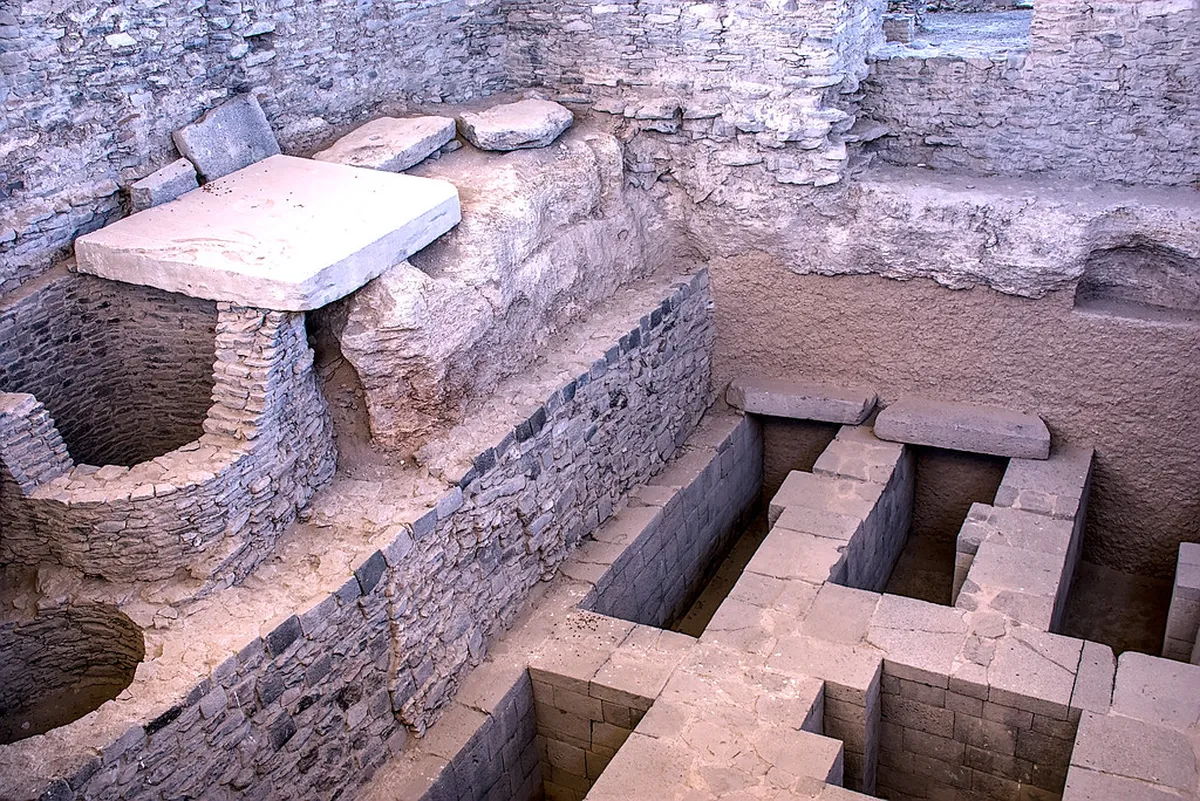
Wari Archaeological Site Tours: Costs, Tips, and Verdict
Verdict: Yes, Wari archaeological site tours are absolutely worth it for history lovers. These tours provide deep insight into a civilization that predates the Incas. If you prefer intact stone walls and dramatic mountain peaks, skip this and book Vilcashuaman Inca ruins instead. The Wari site is sprawling, subtle, and incredibly old. It offers a unique look at early urban planning in the Andes. Most travelers find the site both eerie and educational when accompanied by a knowledgeable guide.
Are Wari Archaeological Site Tours Worth It?
Wari archaeological site tours offer a rare glimpse into the first empire of the Andes. This site served as the capital of the Wari civilization around 600 to 1100 AD. Exploring these ruins allows you to see the foundation of Peruvian history. The site is located just 22 kilometers from the city of Ayacucho. It is a convenient half-day trip for most visitors.
Best for: History buffs, spiritual travelers, and those interested in pre-Incan civilizations. It is a must-visit if you are already exploring the top attractions near Ayacucho. Skip if: You only want "Instagrammable" high-altitude ruins like Machu Picchu. The structures here are heavily eroded and require a bit of imagination to fully appreciate.
Alternative: For those who enjoy outdoor landscapes over ruins, the Pampa de Ayacucho Historic Sanctuary is a great nearby alternative. It offers wider views and more open space for walking. However, the Wari site remains the primary cultural draw in the region. Most local tours combine the two locations into one seamless day trip.
Pros and Cons of Wari Archaeological Site Tours
Understanding the strengths and weaknesses of this experience will help you plan better. Every archaeological site has its unique challenges. Wari is no exception, especially regarding the harsh Andean sun. Here is what you should consider before booking your spot on a tour bus.
- Pros: Affordable pricing, rich cultural history, and proximity to Ayacucho city center.
- Pros: Expert local guides provide context that you cannot get from signs alone.
- Pros: Usually includes an informative site museum with original pottery and artifacts.
- Cons: Very little shade across the entire archaeological complex.
- Cons: Some sectors are still unexcavated and may look like simple piles of rocks to the untrained eye.
- Cons: Tours are predominantly conducted in Spanish; English guides often require a private booking.
Most travelers agree that the pros outweigh the cons. The historical weight of the Wari culture is immense. You will leave with a much better understanding of Peru and its ancient development. Just remember to bring plenty of water and a wide-brimmed hat for the journey.
What to Expect at the Wari Archaeological Site
When you arrive, the scale of the site may surprise you. It covers roughly 2,000 hectares, though visitors only see a small portion. You will walk through narrow stone corridors and deep ceremonial pits. The site is divided into different sectors like Vegachayuq Moqo and Monqachayuq. Each area reveals a different aspect of Wari life, from administrative duties to sacred burials.
The terrain is dusty and uneven. You should expect to walk for about 90 to 120 minutes during the tour. The ground consists of loose soil and ancient stone paving. Comfortable walking shoes are essential for this terrain. You will also visit a small but excellent site museum at the entrance.
The museum currently holds several impressive monoliths and ceramic vessels. These items help visualize how the city looked at its peak. Several funerary chambers are also visible on the main tour path. These chambers were built using finely worked stone that rivals later Inca techniques. The site is currently on the UNESCO tentative list for world heritage status.
Planning Your Wari Visit: Costs and Timing
In 2026, the cost of Wari archaeological site tours remains very budget-friendly. Group tours usually cost between 30 and 50 Soles per person. This price typically excludes the site entrance fee, which is around 3 to 5 Soles. If you want a private tour, expect to pay between 150 and 250 Soles. Private tours offer more flexibility and better access to English-speaking guides.
Timing is everything when visiting this part of Peru. The best time to visit is during the dry season from May to October. During these months, the sky is clear and the paths are dry. Most tours depart Ayacucho between 9:00 AM and 10:00 AM. This allows you to finish the tour before the afternoon heat becomes too intense.
You should allow about four hours for the entire experience, including travel time. If you choose a shared tour, it will likely last all day. This is because these tours often continue to other nearby landmarks. Knowing the transport to Ayacucho attractions options can help you decide between a bus or a taxi. Taxis are faster but significantly more expensive than group buses.
The Best Ways to Book Tours from Ayacucho
Booking Wari archaeological site tours is very easy once you are in town. Head to the Plaza de Armas in Ayacucho to find several tour operators. Most agencies offer the same "Classic North Route" package. This route combines Wari with the village of Quinua. It is the most efficient way to see the regional highlights in one day.
I highly recommend the combined tour that includes Quinua village pottery tours. Quinua is a charming town famous for its elaborate ceramic churches. After exploring the dusty ruins of Wari, the art and food in Quinua provide a nice contrast. You can try local delicacies like puca picante or cuy chactado in the village market.
If you prefer a more tailored experience, look for specialized cultural agencies. These smaller companies often focus on the spiritual aspects of the Wari site. They might include short meditations or deeper archaeological explanations. For travelers on a tight schedule, checking a best Ayacucho day trips itinerary is a great way to prioritize. You can then book your tours a day in advance without any hassle.
Common Pitfalls and How to Avoid Them
The biggest pitfall for most tourists is the lack of sun protection. The sun in the Peruvian Andes is incredibly strong, even when it feels cool. Many visitors leave the Wari ruins with a painful sunburn. Always apply high-SPF sunscreen and carry a reusable water bottle. There are very few places to buy supplies once you are inside the site gates.
Another common mistake is trying to visit without a guide. The ruins are complex and can look like simple stone walls without context. A guide will point out the drainage systems and hidden tomb entrances. Without these explanations, you might miss some of the site's most impressive features. If you are not fluent in Spanish, verify the guide's English level before paying for the tour.
Lastly, be mindful of the altitude. While Wari is lower than Cusco, it still sits around 2,800 meters above sea level. Drink plenty of coca tea or water before your tour starts. If you have extra time, consider adding Ayacucho city church tours to your schedule first. This allows your body more time to acclimate to the elevation before doing heavy walking.
Frequently Asked Questions
How do I get to the Wari archaeological site from Ayacucho?
The easiest way is to join a group tour from the Plaza de Armas. You can also take a 'combi' heading toward Quinua from the Terminal Terrestre. Simply tell the driver you want to get off at 'Las Ruinas de Huari'. Taxis are also available for a fixed price.
Are there restrooms and food at the Wari site?
There are basic restroom facilities near the entrance and the site museum. However, there are no restaurants or large shops inside the ruins. It is best to eat a large breakfast in Ayacucho. You can also find many food stalls in nearby Quinua after your visit.
Is the Wari archaeological site accessible for wheelchairs?
No, the site is not currently wheelchair accessible. The terrain consists of loose dirt, steep steps, and narrow stone paths. Travelers with limited mobility may find the museum accessible, but the main ruins will be very difficult to navigate without assistance.
Wari archaeological site tours provided me with a profound understanding of Peru's pre-colonial power. The site is a rugged testament to a forgotten empire. For around $15 USD, the value is unbeatable compared to major tourist hubs. I highly recommend pairing this with a stop in Quinua for the perfect day out. If you have any remaining time, check out these top attractions near Ayacucho to round out your trip. Book your tour today and enjoy the mystery of the ancient Wari capital!
Official resources
Use these sources for official schedules, tickets, routes, and updates.
- Peru Travel — Official national tourism board; unverified.
- Municipalidad de Huamanga — Official city government portal; unverified.
- Lonely Planet — Major international travel guide; unverified.
- UNESCO World Heritage Centre — International cultural authority; unverified.
- Aeropuertos Andinos del Perú — Official airport authority for Ayacucho; unverified.
- Encyclopedia Britannica — High-authority general reference; unverified.