
Exploring Quinua Village Pottery Tours and Local Traditions
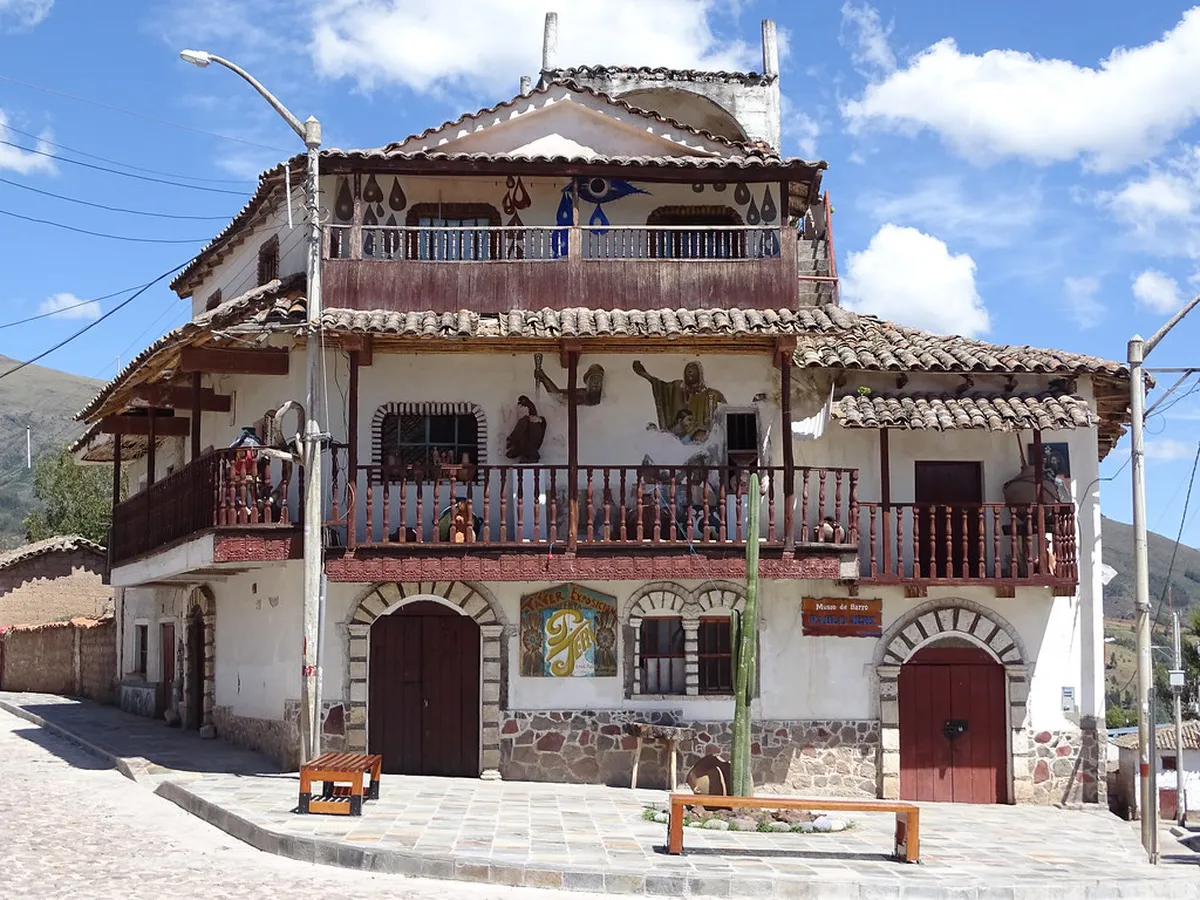
Quinua is a white-walled village high in the Andes of Peru. This town is famous for its vibrant handicraft history. Many visitors come specifically for Quinua village pottery tours to see local masters at work. You will see small ceramic churches perched on almost every rooftop.
The village sits just 37 kilometers away from the city of Ayacucho. It offers a perfect blend of art, history, and stunning mountain views. This guide helps you navigate the best workshops and scenic spots in the area. Get ready to experience one of the most artistic corners of South America.
What Makes Quinua Village Pottery Tours Special?
Pottery here is more than just a hobby. It is a way of life that dates back centuries. The artisans use local red clay found in the surrounding hills. They create figurines, musicians, and the famous Quinua churches. These pieces symbolize protection for the families living inside the homes.
Taking one of the Quinua village pottery tours allows you to see the process. You can watch as a lump of clay becomes a detailed piece of art. Most masters use traditional techniques passed down through generations. They rarely use modern machines or electric kilns for their most iconic works.
Visiting the village supports the local economy directly. You can buy authentic pieces right from the maker's hands. This experience is very different from buying souvenirs in a large city. Every piece tells a story of the high-altitude landscape and its resilient people.
9 Best Quinua Village Pottery Tours and Sights
To make the most of your trip, try these top-rated experiences. Each offers a unique look at the culture and history of the region. Here are the best things to do in and around Quinua.
-
Name: Mamerto Sánchez Workshop
Type: experience
Why go: This is the home of a legendary master ceramist. You can see rare designs that blend folk art with religious themes.
Best for: Art lovers and serious collectors.
Where: Just off the main plaza.
Time: 1 hour.
Cost: Free to enter, but please buy a small piece.
Tip: Ask to see the "musician" figurines which are famous in this shop. -
Name: Pampa de Ayacucho obelisk
Type: sight
Why go: This massive white monument marks where Peru won its final independence. It is a stunning piece of architecture set against green fields.
Best for: History buffs and photographers.
Where: 5 minutes north of the village.
Time: 45 minutes.
Cost: Free.
Getting there: Walk or take a quick local taxi from the village.
Tip: Climb the stairs for an incredible 360-degree view of the mountains. -
Name: Wari Archaeological Site
Type: day trip
Why go: Explore the capital of a pre-Inca empire. These ruins feature complex stone walls and an ancient water system.
Best for: Curious explorers.
Where: Halfway between Ayacucho and Quinua.
Time: 2 hours.
Cost: Usually $2-5 USD for entry.
Getting there: Stop here on your way to Quinua.
Tip: Book Wari archaeological site tours for the best context on the ruins. -
Name: Quinua Main Plaza
Type: neighborhood
Why go: The plaza is surrounded by beautiful white buildings with tiled roofs. You can find many small shops selling high-quality ceramics.
Best for: Relaxed walking and shopping.
Where: Center of the village.
Time: 1 hour.
Cost: Free.
Getting there: This is the starting point for most tours.
Tip: Look up at the roofs to see ceramic bulls and churches protecting the buildings. -
Name: Museum of the Capitulation
Type: museum
Why go: See the exact house where the Spanish surrendered to the revolutionaries in 1824. It is a small but powerful piece of Latin American history.
Best for: History enthusiasts.
Where: On the corner of the main plaza.
Time: 30 minutes.
Cost: $1-2 USD.
Tip: The museum is tiny, so it is easy to fit into a busy afternoon. -
Name: Cerámica Luren Studio
Type: experience
Why go: This workshop focus on delicate, miniature versions of traditional Quinua art. It is a great place to see how much detail fits into small clay pieces.
Best for: Gift shoppers.
Where: A short walk from the market.
Time: 1 hour.
Cost: Free entry.
Getting there: Ask locals for directions to the Luren family shop.
Tip: These small items are much easier to pack in a suitcase than the large statues. -
Name: Quinua Local Artisan Market
Type: market
Why go: This is the best place to compare prices and styles from many different artists. You can find everything from kitchenware to decorative masks.
Best for: Budget travelers and families.
Where: Near the entrance to the Pampa.
Time: 1.5 hours.
Cost: Free to browse.
Tip: Visit on a Sunday for the most vendors and a livelier atmosphere. -
Name: Mirador de Quinua
Type: viewpoint
Why go: Get an aerial view of the village's grid and the surrounding agricultural terraces. The contrast of the white walls against the green hills is beautiful.
Best for: Nature lovers.
Where: Upper edge of the village.
Time: 30 minutes.
Cost: Free.
Getting there: Hike up the steep stairs from the main church.
Tip: Go just before sunset for the best lighting on the white steeples. -
Name: Millpu Turquoise Pools
Type: day trip
Why go: While not a pottery site, these natural pools are an essential top attraction near Ayacucho. The water is a bright, unnatural blue.
Best for: Hikers and outdoor fans.
Where: 3 hours south of Quinua.
Time: Full day.
Cost: $5 USD.
Getting there: Best reached via a separate tour from Ayacucho city.
Tip: Check the official Millpu turquoise pools guide for seasonal water levels.
Planning Your Quinua Village Experience
Planning a trip to see Quinua village pottery tours requires some basic preparation. The village is at an altitude of over 3,300 meters. You should spend a day in the city of Ayacucho first to acclimate. Drink plenty of water and move at a slow pace during your first few hours.
The dry season runs from May through October. This is the best time for clear skies and easy walking. If you visit in February, you might witness local carnival celebrations. These festivals feature traditional music and unique clay masks. Always carry small change in soles for market purchases.
Public transport is very affordable and reliable. Collectivos leave from central Ayacucho throughout the day. The ride takes about 50 minutes through winding mountain roads. For a more structured day, consider a guided tour. Many Ayacucho day trips include Quinua and the Wari ruins.
Top Attractions Near Quinua to Explore
If you have extra time, don't miss the historical sanctuary. The Pampa de Ayacucho Historic Sanctuary is right next to the village. It is a peaceful place for a walk after finishing your pottery tour. You can often see local families having picnics on the grassy plains.
The city of Ayacucho itself is also a treasure. It is known as the "City of Churches" because it has thirty-three temples. You can join Ayacucho city church tours to see stunning colonial altars. Many of these churches use the same clay styles found in Quinua for their decorations.
For those interested in rural life, consider a visit to Sarhua. This Sarhua village cultural experience focuses on painted wooden boards. It complements the pottery of Quinua perfectly. Both villages keep ancient Peruvian art forms alive in the modern world.
Frequently Asked Questions
How do I get to Quinua from Ayacucho?
You can take a collectivo (shared van) from the terminal in Ayacucho city. The ride takes approximately 50 minutes and is very cheap. Taxis are also available for a more comfortable private trip. Most travelers prefer the vans as they run frequently throughout the day.
What is the best time of day for Quinua village pottery tours?
Morning is usually best for visiting workshops. Most artisans are working in their studios before noon. By early afternoon, you can head to the Pampa de Ayacucho for better lighting on the obelisk. Many shops close by late afternoon as the mountain air begins to cool.
Are the pottery workshops in Quinua free to visit?
Most workshops do not charge an entry fee. However, the artisans appreciate it if you purchase a piece of their work. Small items like miniature houses are affordable and easy to carry. Always ask for permission before taking photos of the artists while they work.
A visit to Quinua offers a rare look at living history. From the red clay workshops to the massive history of the Pampa, it is a must-see. Booking Quinua village pottery tours supports local art and preserves ancient skills for the future. Make sure to check the official Peru travel site for the latest event schedules. Your journey through Ayacucho will be incomplete without visiting this creative mountain village.
Official resources
Use these sources for official schedules, tickets, routes, and updates.
- Peru Travel — Official national tourism board; unverified.
- Municipalidad de Huamanga — Official city government portal; unverified.
- Lonely Planet — Major international travel guide; unverified.
- UNESCO World Heritage Centre — International cultural authority; unverified.
- Aeropuertos Andinos del Perú — Official airport authority for Ayacucho; unverified.
- Encyclopedia Britannica — High-authority general reference; unverified.