
Reviewing the Sarhua Village Cultural Experience in Peru
Is the Sarhua village cultural experience worth the long journey from Ayacucho? Yes, it is a must-see for anyone who values authentic folk art and deep cultural immersion. This remote community offers a rare look at living traditions that have survived for centuries. In this review, we explore why this destination stands out among Perus many cultural gems.
Verdict: This experience is best for slow travelers and art enthusiasts who enjoy off-the-beaten-path adventures. If you prefer luxury or quick city tours, you might want to consider alternative Ayacucho day trips itinerary options. For those who stay, the reward is a powerful connection to Andean heritage.
Best for: Art lovers, cultural historians, and adventurous couples looking for authentic rural life.
Skip if: You have motion sickness or limited time in your schedule.
Alternative: If you want local art closer to the city, visit the Quinua village pottery tours instead.
Why Choose the Sarhua Village Cultural Experience?
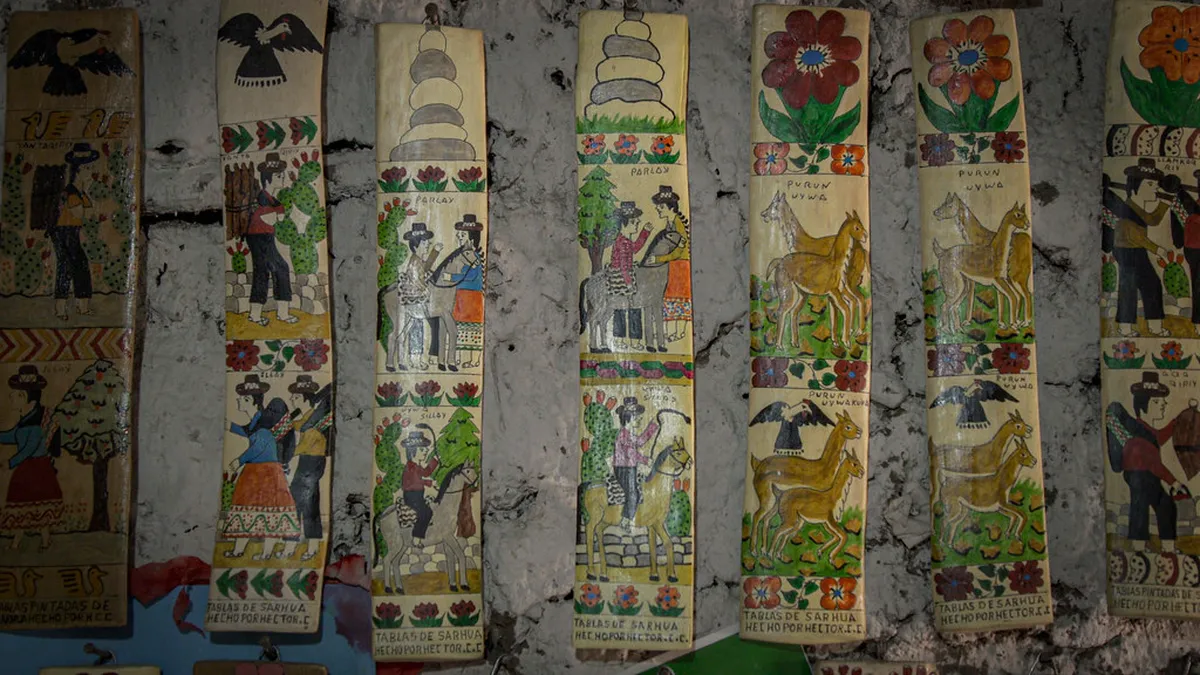
Choosing the Sarhua village cultural experience means stepping into a world where art tells the story of everyday life. This village is the birthplace of the famous Tablas de Sarhua. These are painted wooden beams that depict family genealogies and communal work. Each piece of art serves as a historical record for the local families.
The village itself feels like a living museum. Unlike crowded tourist hubs, Sarhua remains quiet and genuine. You will see artisans working in their home studios with natural pigments. This direct interaction is the highlight of the trip. It provides context that no museum in Lima can replicate.
Travelers often find that the local stories are deeply moving. The art focuses on themes of resilience, community, and tradition. You are not just buying a souvenir here. You are learning about a way of life that has resisted modernization. This makes the experience feel very personal and significant.
- Pros: Highly authentic experience; Direct interaction with world-class artisans; Beautiful mountain scenery; Support for rural economies.
- Cons: Long travel time (4 hours each way); Very basic facilities; Limited English spoken in the village; High altitude challenges.
What to Expect During Your Sarhua Visit
When you arrive for your Sarhua village cultural experience, expect a warm but humble welcome. The main plaza is small and surrounded by traditional buildings. Most tours begin with a visit to a local workshop. Here, you will see the process of preparing the wooden boards. Artisans use earth-based colors and fine brushes.
Many tours offer a hands-on workshop session. You might get to paint your own small board under expert guidance. This activity is surprisingly relaxing and educational. It helps you appreciate the skill required for larger pieces. Be prepared to spend at least two hours in the workshop to get the full benefit.
Walking through the village allows you to see the Tablas in their original setting. Many houses feature these painted beams under their roofs. This provides a sense of continuity between the past and present. The atmosphere is peaceful, with few other tourists in sight. It is a stark contrast to the busy Ayacucho city church tours found in the regional capital.
Logistics for the Sarhua Village Cultural Experience
Getting to Sarhua is the most difficult part of the trip. The village is about 120 kilometers from Ayacucho city. However, the mountain roads are winding and sometimes unpaved. The drive typically takes four to five hours one way. You should start your day very early, ideally by 5:00 AM.
You have a few options for transport to Ayacucho attractions like Sarhua. Hiring a private driver is the most comfortable choice. It allows you to stop for photos of the stunning Andean landscapes. Public colectivos are available but can be crowded and slow. Choosing a guided tour often includes lunch and workshop materials.
Altitude is another factor to consider for this trip. Sarhua sits at approximately 3,400 meters above sea level. Ensure you are acclimated to Ayacuchos altitude before heading higher. Drink plenty of coca tea and stay hydrated throughout the day. The sun can be very strong at this height, so bring high-SPF sunscreen.
Cultural Significance and UNESCO Recognition
The Sarhua village cultural experience is globally recognized for its unique artistic value. The Tablas de Sarhua are on the UNESCO tentative list for cultural heritage. This status highlights the importance of preserving these ancient collective memories. The Peruvian government also designated the tradition as National Cultural Heritage in 2018.
The art has evolved over time. While it once focused on family gifts, it now reflects modern social issues. During the 1980s, the art became a way for the community to process conflict. This resilience makes the Sarhua village cultural experience unique. It is a story of survival told through vibrant colors and wood.
When you visit, you contribute to the survival of this art form. Many young people are staying in the village to learn from the elders. Your interest helps keep these traditions profitable for the local community. It is a great example of sustainable cultural tourism in Peru Travel. Supporting these artists ensures the Tablas will exist for future generations.
Tips for Planning Your 2026 Sarhua Trip
Planning your 2026 trip requires some foresight regarding the weather. The best time for a Sarhua village cultural experience is between May and September. This is the dry season in the Andes, meaning clearer roads and better views. Avoiding the rainy season from January to March is highly recommended. Heavy rains can cause road delays or closures.
Your budget should account for transport, food, and art purchases. A full-day private tour usually costs between $80 and $120 per person. Bringing extra cash is essential because there are no ATMs in the village. Many small paintings or boards are surprisingly affordable. These make for incredible and meaningful souvenirs to take home.
If you have extra time, consider combining this with other sites. Some travelers visit the Millpu turquoise pools guide locations on a multi-day circuit. However, Sarhua deserves a full day to truly appreciate the pace of life. Pack a warm jacket, as temperatures drop quickly when the sun goes down. Proper hiking shoes are also helpful for walking the cobblestone streets.
Frequently Asked Questions
How long is the Sarhua village cultural experience tour?
A typical tour lasts about 12 to 14 hours. This includes the four-hour drive each way from Ayacucho. You will spend about four to five hours in the village. This time covers lunch, a walking tour, and an art workshop session with local professionals.
Is Sarhua safe for solo travelers?
Yes, Sarhua is a very safe and welcoming community. However, the long road journey can be difficult for solo travelers without a car. It is often better to join a small group or hire a reputable guide. This ensures you have reliable transport and a translator for the locals.
What should I wear to Sarhua village?
Dress in layers to handle the changing mountain temperatures. Wear a light shirt for the midday sun and a heavy jacket for the early morning. Comfortable walking shoes are a must for uneven village terrain. Don't forget a hat and sunglasses to protect against high-altitude UV rays.
The Sarhua village cultural experience is a rare opportunity to see authentic Andean art in its true home. While the journey from Ayacucho is long, the emotional and cultural rewards are immense. You will leave with a deep respect for the artisans and their history. For a truly unique Peruvian adventure in 2026, place Sarhua at the top of your list. To plan your logistics, check out our guide on transport to Ayacucho attractions today.
Official resources
Use these sources for official schedules, tickets, routes, and updates.
- Peru Travel — Official national tourism board; unverified.
- Municipalidad de Huamanga — Official city government portal; unverified.
- Lonely Planet — Major international travel guide; unverified.
- UNESCO World Heritage Centre — International cultural authority; unverified.
- Aeropuertos Andinos del Perú — Official airport authority for Ayacucho; unverified.
- Encyclopedia Britannica — High-authority general reference; unverified.