
Guide to Huchuy Qosqo Trail Difficulty and Altitude Info
Planning a trek near Cuzco requires careful preparation. Understanding the Huchuy Qosqo trail difficulty and altitude info is the first step for any hiker. This ancient path offers a quieter alternative to the busy Inca Trail. You will walk through stunning Andean landscapes and visit hidden ruins. However, the high elevation can be challenging for those unprepared. This guide provides the data you need for a safe journey. We will cover the steepest climbs and the most breathtaking viewpoints.
Understanding Huchuy Qosqo Trail Difficulty and Altitude Info
The Huchuy Qosqo trek is generally rated as moderate. Most hikers complete the journey in one or two days. The highest point on the standard route reaches approximately 4,300 meters (14,100 feet). This high elevation is the main factor in the Huchuy Qosqo trail difficulty and altitude info. You must spend at least two days in Cuzco to acclimate first.
The terrain consists of narrow mountain paths and ancient stone stairs. Some sections are steep, especially during the descent into the Sacred Valley. You will face rocky surfaces that can become slippery when it rains. Proper footwear is essential to handle these varied conditions safely. Expect roughly 6 to 7 hours of walking on the main trekking day.
Weather plays a huge role in how hard the trail feels. During the rainy season, the path can be muddy and slow. The dry season offers clear skies but intense sun exposure. Understanding these factors helps you set a realistic pace. Knowing these Huchuy Qosqo trekking tips ensures you enjoy the scenery rather than just struggling with the climb.
10 Top Attractions on the Huchuy Qosqo Route
To help you plan, here are the best spots to visit on or near the trail. These include iconic ruins and natural wonders. Use this list to prioritize your stops and manage your time effectively.
- Best overall: Huchuy Qosqo Archaeological Site
- Best for families: Piuray Lagoon
- Best rainy-day: Chinchero Weaving Centers
- Best free: Lamay Village Walk
-
Name: Tambomachay
Type: sight
Why go: This is a popular starting point for the trek. You can see ancient water fountains and Inca stone masonry.
Best for: History buffs.
Where: Just outside North Cuzco.
Time: 45 minutes.
Cost: Included in the Cusco Tourist Ticket.
Tip: Visit early to avoid the large tour bus crowds. -
Name: Piuray Lagoon
Type: nature
Why go: Many routes pass this stunning high-altitude lake. It offers incredible reflections of the surrounding snow-capped peaks.
Best for: Photographers.
Where: Near Chinchero.
Time: 1 hour.
Cost: Free to view.
Tip: Bring a windbreaker as it gets very chilly by the water. -
Name: Pukamarca Village
Type: experience
Why go: A small, authentic Andean community located high in the mountains. It gives you a glimpse into remote rural life in Peru.
Best for: Cultural enthusiasts.
Where: Highland pass before the ruins.
Time: 30 minutes.
Cost: Free.
Tip: Carry small change if you wish to buy local snacks. -
Name: Leon Punku Canyon
Type: nature
Why go: This narrow rock canyon features an original Inca trail carved into the cliffs. The acoustics inside the canyon are amazing.
Best for: Nature lovers.
Where: Approach to the ruins.
Time: 1 hour.
Cost: Free.
Tip: Watch your footing on the narrow stone ledges here. -
Name: Huchuy Qosqo Ruins
Type: sight
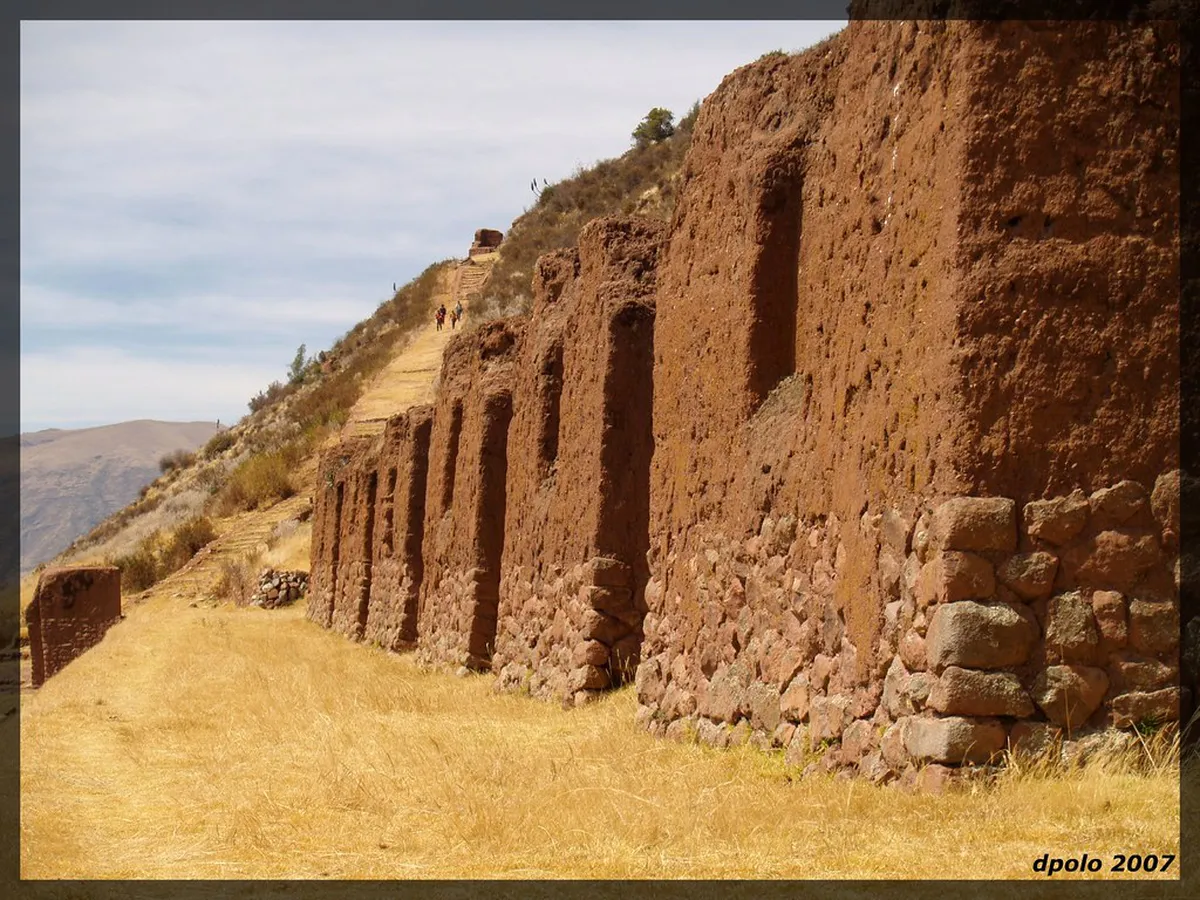
Why go: The "Little Cusco" features impressive terraces and a unique three-story stone and adobe building.
Best for: Everyone.
Where: Above the town of Lamay.
Time: 2-3 hours.
Cost: Small entry fee (usually 22 Soles).
Tip: Explore the lower terraces for the best views of the valley. -
Name: Lamay Village
Type: experience
Why go: This is the typical end point for the descent. It is famous in the region for its delicious roasted guinea pig (cuy).
Best for: Foodies.
Where: Sacred Valley floor.
Time: 1.5 hours.
Cost: Cheap food prices.
Tip: Look for the giant cuy statues to find the best local eateries. -
Name: Pisac Market
Type: day trip
Why go: Located a short drive from the trail end, this is one of the most famous markets in the Sacred Valley.
Best for: Souvenir shopping.
Where: Pisac town.
Time: 2 hours.
Cost: Free entry.
Tip: Sunday is the most vibrant day with the most local vendors. -
Name: Chinchero Archaeological Park
Type: sight
Why go: If you start your trek here, you can see massive Inca walls and a colonial church.
Best for: History lovers.
Where: Chinchero plateau.
Time: 1 hour.
Cost: Cusco Tourist Ticket required.
Tip: The altitude here is high, so walk slowly. -
Name: Maras Salt Mines
Type: sight
Why go: While not on the direct path, many tourists visit these ancient evaporating ponds nearby. It is a stunning visual experience.
Best for: Unique scenery.
Where: Near Urubamba.
Time: 1 hour.
Cost: Small local fee.
Tip: Try the local pink salt sold at the entrance. -
Name: Sacsayhuaman
Type: sight
Why go: Located at the beginning of the trek if you walk from the city. These massive stones are among the most impressive in Peru.
Best for: Iconic views.
Where: Hilltop overlooking Cuzco.
Time: 2 hours.
Cost: Cusco Tourist Ticket.
Tip: Slide down the natural stone slides located near the main plaza.
Planning Your Hike with Huchuy Qosqo Trekking Tips
Reviewing Huchuy Qosqo trail difficulty and altitude info is just the start. You should also consider your logistics. Most people find a one-day excursion is manageable if they are fit. You can read more in this one-day Huchuy Qosqo trek guide. Always pack plenty of water and high-energy snacks for the steep uphill climbs.
Dress in layers to handle the changing mountain climate. Temperatures can drop quickly if clouds cover the sun. A waterproof jacket is necessary even in the dry season. Don't forget high-SPF sunscreen and a wide-brimmed hat. The UV rays at 4,000 meters are very strong and can burn skin quickly.
Booking a guide is highly recommended for solo travelers. While the path is marked, it is easy to take a wrong turn. Local guides provide deep insight into the history of the ruins. They also carry first aid kits and emergency oxygen. If you are looking for other adventures, check out more top attractions near Cuzco for your itinerary.
Frequently Asked Questions
Is the Huchuy Qosqo trek harder than the Inca Trail?
No, the Huchuy Qosqo trek is generally easier and shorter. It lacks the repeated high mountain passes of the 4-day Inca Trail. However, the one-day version has a very steep final descent. This can be hard on the knees for many hikers.
What is the best month to do the Huchuy Qosqo hike?
The best months are May through September. This is the dry season in the Andes. You will enjoy clear blue skies and firm trails. June and July are the busiest but offer the most stable weather for photography and hiking.
Can I do the Huchuy Qosqo trek without a guide?
Yes, it is possible for experienced hikers. The trail is mostly visible, especially from Chinchero or Tambomachay. However, you must have a reliable GPS map. Hiring a guide is safer and supports the local economy of the mountain communities.
Understanding Huchuy Qosqo trail difficulty and altitude info ensures a successful journey. This trek is a fantastic way to see the Cusco region without the crowds. Remember to acclimate well and pack the right gear. Whether you go for the history or the views, it will be memorable. For more planning help, see our detailed guide on the one-day Huchuy Qosqo trek from Cuzco. Enjoy the magic of the Andes in 2026!
Official resources
Use these sources for official schedules, tickets, routes, and updates.
- Peru Travel — unverified
- UNESCO World Heritage Centre — unverified
- Lonely Planet — unverified
- Municipalidad del Cusco — unverified
- Ministerio de Cultura - Machu Picchu — unverified
- UNSAAC University — unverified