
Mastering the Trail: Essential Huchuy Qosqo Trekking Tips
Are you looking for the best Huchuy Qosqo trekking tips to plan your next journey? This hidden gem near Peru offers amazing views without the heavy crowds of Machu Picchu. You will experience ancient Inca paths and stunning high-altitude landscapes. Preparation is the key to enjoying this rugged trek.
The path connects the city of Cuzco to the Sacred Valley. It is a perfect choice for those who want a shorter, quieter hike. In this guide, we provide essential Huchuy Qosqo trekking tips for every traveler. You will learn about the best gear and the most iconic spots along the route.
Before you start, make sure you understand the Huchuy Qosqo trail difficulty and altitude info. Knowing what to expect helps you pack correctly. Let us dive into the details of this spectacular Andean experience.
Essential Preparation for the Huchuy Qosqo Trek
Successful hiking in the Andes requires smart planning. You should spend at least two days in Cuzco before you start. This allows your body to adjust to the high altitude. Take it slow and drink plenty of water during this time.
The dry season is the ideal time to visit. This lasts from May to September in the Southern Hemisphere. You will enjoy clear blue skies and dry trails. Check the official Peru Travel site for weather updates. Rain can make the mountain paths very slippery and difficult.
Consider choosing a one day Huchuy Qosqo trek from Cuzco guide if you are short on time. Many agencies offer transport and food. Hiring a local guide supports the community and ensures you stay on the correct path. They also share fascinating history about the Inca Empire.
Top Sites and Huchuy Qosqo Trekking Tips
Use this list of landmarks to plan your stops. Each location offers a unique perspective of the Peruvian highlands. Following these Huchuy Qosqo trekking tips will help you navigate the terrain safely.
- Quick Pick (Best Overall): Huchuy Qosqo Archaeological Complex.
- Quick Pick (Best Viewpoint): Abra Rumicruz Pass.
- Quick Pick (Best for Families): Lamay Village Descent.
- Quick Pick (Best Nearby): Saqsaywaman Park.
-
Name: Tambomachay Archaeological Site
Type: Sight
Why go: It is the classic starting point for the trek. You can see ancient water fountains and Inca stone masonry.
Best for: History lovers.
Where: Just north of Cuzco city.
Time: 45 minutes to explore.
Cost: Included in the Boleto Turístico.
Getting there: Take a taxi or bus from Cuzco.
Tip: Fill your water bottles here before heading into the wilder sections. -
Name: Abra Rumicruz Pass
Type: Viewpoint
Why go: This is the highest point of many trekking routes. It offers a 360-degree view of the Vilcanota mountain range.
Best for: Photographers.
Where: Between Tambomachay and the ruins.
Time: 20-minute rest stop.
Cost: Free.
Getting there: On foot via the main trail.
Tip: Wear a windbreaker because the wind is very cold at this altitude. -
Name: Huchuy Qosqo Archaeological Complex
Type: Experience
Why go: This "Little Cuzco" was a royal estate for the Inca Viracocha. It features impressive terraces and a large great hall.
Best for: Cultural immersion.
Where: Perched above the Sacred Valley.
Time: 2 hours to explore.
Cost: Small local entrance fee (around 20 Soles).
Getting there: Accessible only by foot or mule.
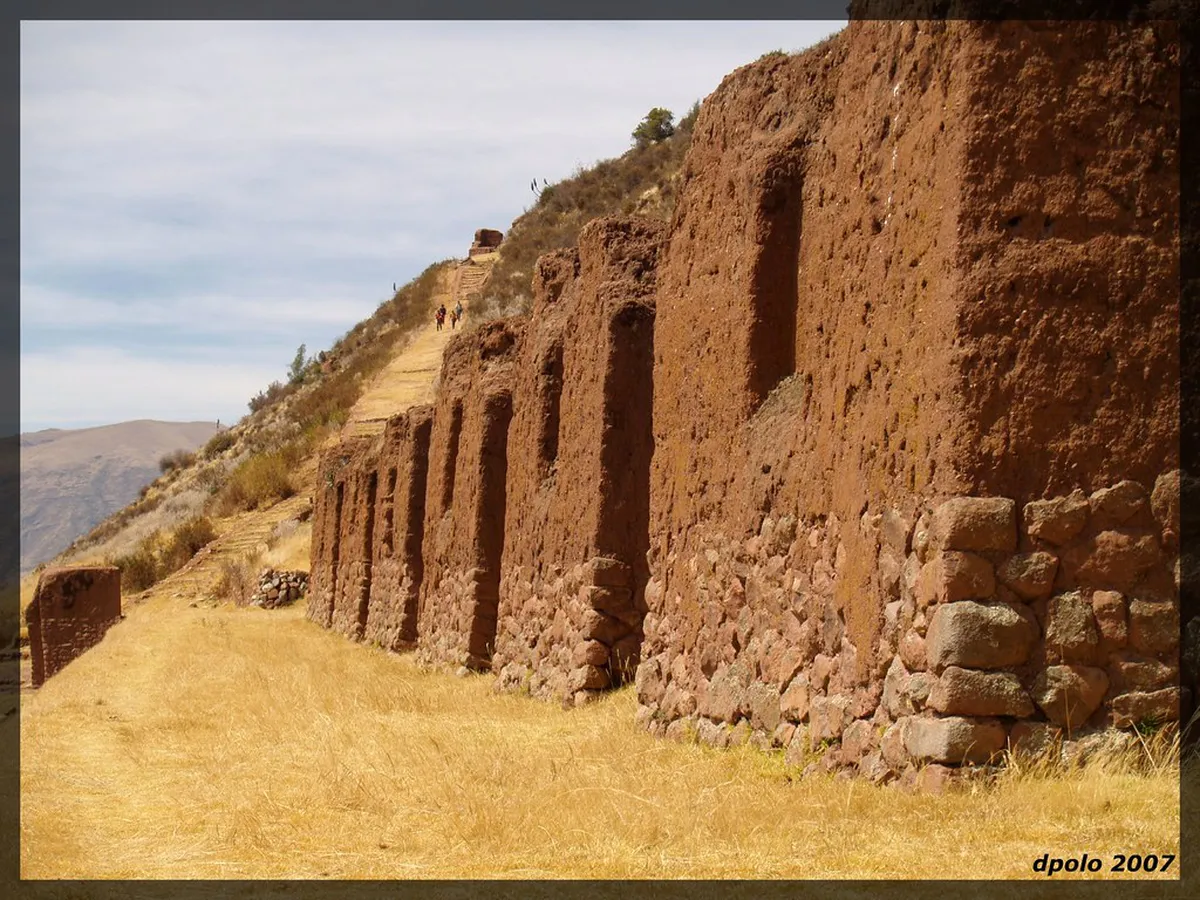
Tip: Look for the remains of the dried mud bricks on top of the stone walls. -
Name: The Great Inca Stone Gate
Type: Sight
Why go: This massive doorway marks the entrance to the main ruins. It is a perfect example of Inca engineering and prestige.
Best for: Iconic photos.
Where: South entrance of the Huchuy Qosqo complex.
Time: 10 minutes.
Cost: Included in site entry.
Getting there: Part of the walking tour.
Tip: Touch the stones to feel the precision of the ancient carving. -
Name: Lamay Village
Type: Experience
Why go: This is where most hikers finish their journey. It is a traditional town famous for its roasted guinea pig (cuy).
Best for: Foodies.
Where: In the heart of the Sacred Valley.
Time: 1-2 hours for lunch.
Cost: Free to visit; meal prices vary.
Getting there: Hike down the steep zig-zag path from the ruins.
Tip: Arrange for a car to meet you here for a quick return to Cuzco. -
Name: Saqsaywaman Ruins
Type: Sight
Why go: These massive stones are legendary. It is widely considered one of the top attractions near Cuzco.
Best for: Everyone.
Where: Walking distance from Cuzco plaza.
Time: 2-3 hours.
Cost: Part of the tourist ticket.
Getting there: Walk uphill from the city center.
Tip: Visit the Saqsaywaman ruins guide to see the hidden slides. -
Name: Písac Archaeological Park
Type: Day trip
Why go: It features the largest Inca cemetery in the region. The agricultural terraces are also world-famous.
Best for: Hikers wanting more ruins.
Where: Eastern end of the Sacred Valley.
Time: Half-day trip.
Cost: Part of the tourist ticket.
Getting there: 45-minute drive from Cuzco.
Tip: Many Sacred Valley day trips include this as a primary stop. -
Name: Maras Salt Mines
Type: Sight
Why go: Thousands of salt ponds have been used since pre-Inca times. It creates a stunning white landscape against the red mountains.
Best for: Unique scenery.
Where: Near the town of Maras.
Time: 1 hour.
Cost: Local entry fee (around 10-15 Soles).
Getting there: Taxi or tour bus.
Tip: Buy a small bag of pink salt as a local souvenir. -
Name: Moray Agricultural Terraces
Type: Sight
Why go: These circular terraces look like a giant amphitheater. They were likely a laboratory for testing different crops.
Best for: Science/History buffs.
Where: Close to Maras.
Time: 1 hour.
Cost: Part of the tourist ticket.
Getting there: Usually combined with a Maras tour.
Tip: Notice how the temperature changes as you walk lower into the circles. -
Name: Ollantaytambo Fortress
Type: Sight
Why go: This was a major stronghold during the Spanish conquest. The town itself is a living Inca village.
Best for: Final stops.
Where: Western end of the Sacred Valley.
Time: 2-3 hours.
Cost: Part of the tourist ticket.
Getting there: Train or bus from Cuzco or Lamay.
Tip: Climb to the top for a view of the Pinkuylluna storehouses.
What to Pack for Your Peru Adventure
Proper packing is essential for any Andean trek. Temperatures can drop quickly once the sun goes behind a mountain. You should bring a waterproof jacket even in the dry season. Sudden showers are common in high-altitude environments.
Protection from the sun is one of the most forgotten Huchuy Qosqo trekking tips. The UV rays are extremely strong at 4,000 meters. Wear a wide-brimmed hat and apply high-SPF sunscreen. Long sleeves help protect your skin without making you too hot.
Do not forget to bring at least two liters of water. There are few places to buy drinks once you start hiking. Pack high-energy snacks like nuts, chocolate, or dried fruit. This will keep your energy levels steady through the steep climbs.
Further Exploration Near the Sacred Valley
After your trek, you might want to see more of the region. The UNESCO-listed City of Cuzco has many museums. You can explore the narrow cobblestone streets and enjoy local coffee. It is a great way to relax after a long walk.
If you still have energy, try other nearby hikes. Many travelers visit the colorful Rainbow Mountain or the quiet Tipón ruins. These areas offer different geological and historical perspectives. Always check for local travel advisories before heading out on solo trips.
The Huchuy Qosqo trek is a fantastic introduction to trekking in Peru. It builds your confidence for longer routes like the Inca Trail. Remember to respect the ancient sites by not leaving any trash behind. Enjoy every moment of your high-altitude adventure in 2026.
Frequently Asked Questions
Is the Huchuy Qosqo trek difficult for beginners?
The trek is moderately challenging due to the altitude. Most beginners can finish it in one day with a steady pace. The descent to Lamay is quite steep, which can be hard on the knees. Make sure you are well-acclimatized to the elevation in Cuzco first.
Do I need a permit for Huchuy Qosqo?
No special government permit is required for this specific trek unlike the Classic Inca Trail. You simply pay a small entrance fee when you arrive at the ruins. This makes it an excellent choice for last-minute travelers or those who prefer flexible schedules without booking months ahead.
What is the highest point on the trail?
The highest point is usually the Abra Rumicruz pass at approximately 4,200 meters. Depending on your exact route from Tambomachay, you may cross multiple high ridges. Most of the trail stays above 3,500 meters until the final descent into the Sacred Valley floor at Lamay.
Following these Huchuy Qosqo trekking tips will ensure a successful and memorable hike. Remember to prioritize acclimatization and pack for all weather conditions. This route offers a rare look at Inca history away from the tourist crowds. For more planning help, check our list of top attractions near Cuzco. Get ready to explore the stunning heart of the Andes mountains.
Official resources
Use these sources for official schedules, tickets, routes, and updates.
- Peru Travel — unverified
- UNESCO World Heritage Centre — unverified
- Lonely Planet — unverified
- Municipalidad del Cusco — unverified
- Ministerio de Cultura - Machu Picchu — unverified
- UNSAAC University — unverified