
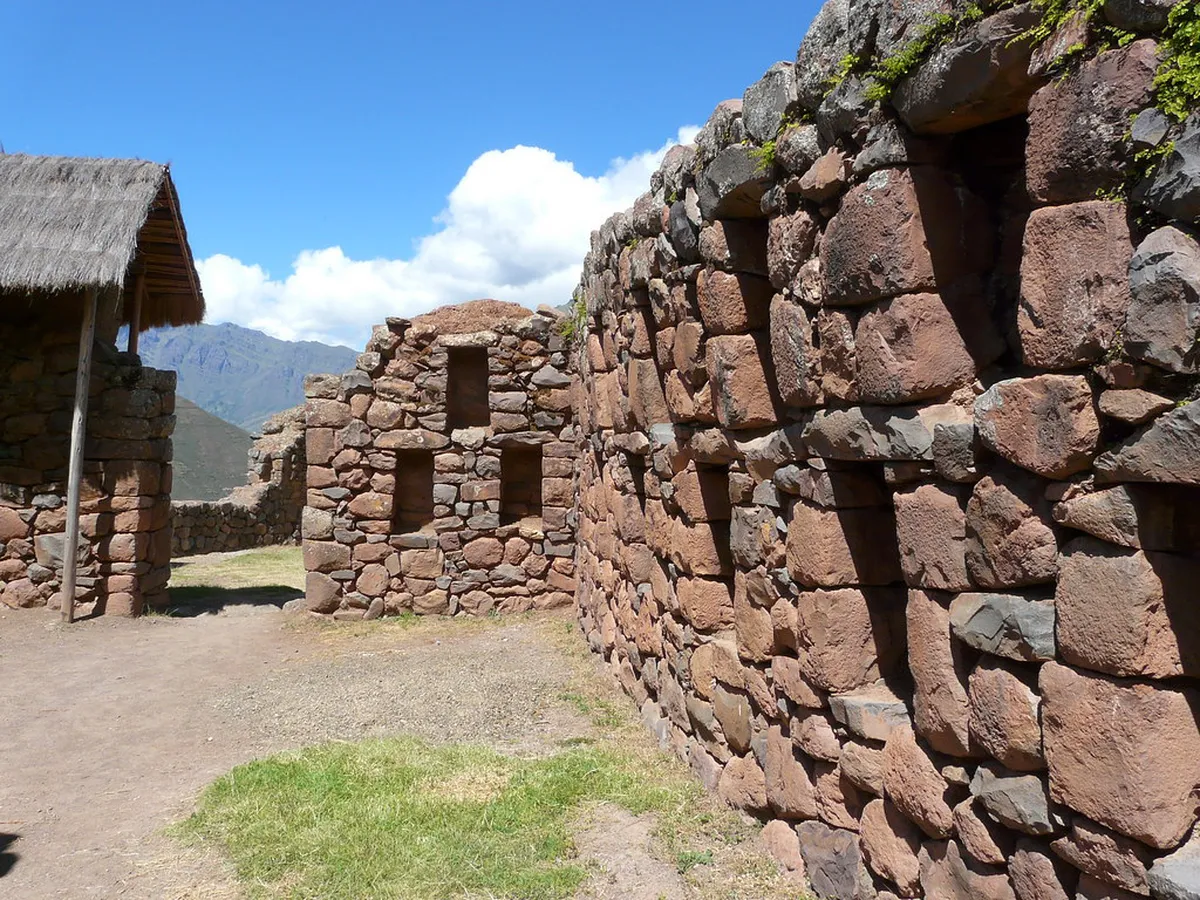
The Ultimate Guide to Pisac Market and Ruins in 2026
Exploring the Pisac market and ruins is a highlight of any trip to Peru. This charming village sits in the heart of the Sacred Valley. Visitors come for the massive Inca fortress and the world-famous artisanal market. You can easily reach this spot from Cuzco in under an hour. It offers a perfect blend of ancient history and living culture. This guide covers everything you need to see, from stone temples to colorful textiles. Prepare for breathtaking views of the Urubamba River and steep agricultural terraces.
10 Must-See Spots at Pisac Market and Ruins
Pisac is much more than just a quick stop. These ten highlights will help you make the most of your time. If you are short on time, check these quick picks for your journey:
- Best overall: The Intihuatana Sector
- Best for families: Pisac Main Market
- Best for nature lovers: Botanical Garden Pisac
- Best free activity: Exploring the colonial church
-
Name: Pisac Main Market
Type: market
Why go: This is one of the most famous markets in South America. Local vendors sell high-quality alpaca wool, hand-painted ceramics, and traditional jewelry.
Best for: souvenir hunting and photography.
Where: Town center plaza.
Time: 2 hours.
Cost: Free to enter.
Getting there: Walk from any point in the town of Pisac.
Tip: Sunday is the biggest market day, with more vendors arriving from the mountains. -
Name: Intihuatana Sector
Type: sight
Why go: This is the religious heart of the ruins. It features a finely carved sun temple that matches the quality of Machu Picchu.
Best for: history buffs.
Where: High ridge of the archaeological site.
Time: 1 hour.
Cost: Covered by the Boleto Turístico.
Getting there: Take a taxi from town to the top car park.
Tip: The stonework here is incredibly smooth, showing the highest Inca craftsmanship. -
Name: Kalla Q'asa (The Citadel)
Type: sight
Why go: This residential sector overlooks the valley. It features many well-preserved stone houses and defensive walls.
Best for: architectural views.
Where: The highest part of the ruins.
Time: 45 minutes.
Cost: Part of the tourist ticket.
Getting there: Hike up from the market or take a shuttle.
Tip: Walk through the stone tunnels to feel like a real explorer. -
Name: Tantanamarka Ancient Cemetery
Type: sight
Why go: You can see thousands of holes in a cliff face that served as Inca tombs. It is one of the largest ancient cemeteries in the Americas.
Best for: unique photography.
Where: Steep cliffs adjacent to the ruins.
Time: 15 minutes to view from a distance.
Cost: Included in ticket.
Getting there: Visible during the hike between ruin sectors.
Tip: Please do not attempt to climb near the tombs to respect the site. -
Name: Agricultural Terraces
Type: viewpoint
Why go: These massive curved terraces look like giant green steps. They are still used by locals today for farming.
Best for: scenic landscapes.
Where: Surrounding the entire ruin complex.
Time: Constant viewing.
Cost: Included in ticket.
Getting there: Accessible from any path in the ruins.
Tip: The scale of the terraces is best captured from the lower hiking trails. -
Name: Calle del Comercio (Silver Street)
Type: experience
Why go: Pisac is famous for its silver smithing. This street has many tiny workshops where you can see artisans at work.
Best for: custom jewelry.
Where: Just off the main plaza.
Time: 1 hour.
Cost: Free to browse.
Getting there: Walk from the market.
Tip: Ask if they use 950 silver, which is the high standard in Peru. -
Name: Felipe Marín Moreno Botanical Garden
Type: nature
Why go: This quiet garden is tucked inside a colonial backyard. It features diverse native plants and several species of hummingbirds.
Best for: a quiet break.
Where: A few blocks from the main square.
Time: 45 minutes.
Cost: Small entrance fee (approx. 5-10 Soles).
Getting there: Walk from the market plaza.
Tip: Visit in the morning to see the flowers in full bloom. -
Name: San Pedro Church
Type: indoor
Why go: This colonial church holds traditional masses in Quechua. The interior is simple but very historic.
Best for: local culture.
Where: Plaza de Armas.
Time: 30 minutes.
Cost: Donations welcome.
Getting there: Located on the main square.
Tip: If you visit on Sunday morning, you might see the mayordomos in traditional dress. -
Name: Amaru Community Weaving Center
Type: experience
Why go: A short drive above Pisac, this community teaches you about natural dyes. You can see how they turn plants into vibrant yarn.
Best for: hands-on learning.
Where: Amaru village, uphill from Pisac.
Time: 3 hours.
Cost: Varies by tour; usually includes lunch.
Getting there: Arrange a taxi or local guide from town.
Tip: Buying textiles directly here supports the local mountain community. -
Name: Hike from Ruins to Town
Type: experience
Why go: This steep downhill trail offers the best views of the valley. It passes through smaller ruin sectors most tourists miss.
Best for: active travelers.
Where: Trail starts at the ruins and ends at the market.
Time: 1.5 to 2 hours.
Cost: Free (requires ruin ticket).
Getting there: Walk down from the Intihuatana sector.
Tip: The trail is steep and can be dusty; wear good hiking shoes.
Essential Planning Guide for Pisac and Ruins
Visiting the Pisac market and ruins requires some preparation. First, you need the Boleto Turístico (Cusco Tourist Ticket). This ticket allows access to most archaeological sites in the area. You can buy a partial ticket or a full one depending on your schedule. Many people find the full ticket most useful for a week in Peru. The gatekeepers at the ruins entrance sell these tickets on-site.
Timing is very important for a good experience. The ruins open early at 7:00 AM. Arriving early helps you avoid the large tour buses from Cuzco. The wind can be quite strong on the ridge during the afternoon. For the market, try to visit during the week if you want fewer crowds. Sundays are festive but can feel very crowded. Check the official government sites for any holiday closures or new strike notices.
Getting to Pisac from Cuzco is easy and cheap. You can find "colectivos" (shared vans) on Puputi Street in Cuzco. These vans depart as soon as they are full. The ride takes about 45 to 50 minutes. Alternatively, a private taxi offers more comfort. If you plan to travel further, you might even consider the PeruRail services to nearby Machu Picchu later in your trip.
Safety and health are key in high altitudes. Pisac sits at about 2,972 meters (9,750 feet) above sea level. This is lower than Cuzco, so it can feel easier to breathe. However, the hike up the ruins is still tiring. Drink plenty of water and try some coca tea. Always use sunscreen because the mountain sun is very strong. Carry some small change for the market stalls or bathrooms.
Exploring Beyond Pisac in the Sacred Valley
Pisac is the gateway to the beautiful Sacred Valley. Once you finish at the Pisac market and ruins, many other treasures await nearby. You can explore the Sacred Valley day trips that depart from this area. Most tours head down the valley toward the town of Urubamba. This region is home to some of the most impressive Inca engineering in the world.
A popular next stop is the town of Ollantaytambo. This village is known as a "living Inca city" because people still live in ancient houses. You should read an Ollantaytambo fortress guide before you arrive. The stone terraces there are equally impressive to those in Pisac. It is also the main train station for travelers heading to Machu Picchu. Many visitors spend a night there to enjoy the quiet evening vibes.
If you enjoy unique landscapes, do not miss the salt mines. The Maras salt mines tour shows you thousands of ancient salt evaporation ponds. Just a short drive away, you can also see the circular terraces of Moray. Using Moray archaeological site tips will help you understand how the Incas tested different crops. These sites are easy to reach by hiring a car in Pisac for a few hours. This makes for a full day of diverse exploration.
Finally, there are many top attractions near Cuzco that are worth your time. If you have extra days, consider shorter hikes like the Saqsaywaman ruins guide for sites directly above the city. Pisac serves as a wonderful introduction to the history and beauty of the Andes. Each site tells a different part of the story of the Inca Empire.
Frequently Asked Questions
Is the market open every day in Pisac?
Yes, the market is open every day of the week. However, the largest and most colorful market takes place on Sundays. On Sundays, more local farmers and craftspeople travel from high mountain villages to sell their goods. Tuesdays and Thursdays are the next best days for visitors.
How long does it take to see the Pisac ruins?
You should plan for 2 to 4 hours to see the ruins properly. The site is spread across several mountain ridges. If you plan to hike from the top all the way down to the town, allow at least 3 to 4 hours to enjoy the views safely.
Do I need a special ticket to enter Pisac market and ruins?
The market is free to enter for everyone. However, the ruins require the Boleto Turístico (Cusco Tourist Ticket). You can buy a partial ticket for the Sacred Valley sites or a full ticket that includes museums in Cuzco. You cannot buy a single-entry ticket just for Pisac.
Visiting the Pisac market and ruins offers an unforgettable look at Andean history. The massive stone terraces and bustling plaza create a perfect day trip from Cuzco. Remember to bring your tourist ticket and plenty of water for the hike. Whether you want to shop for silver or climb ancient stairs, Pisac has it all. For more ideas on how to spend your time in the region, check out these Sacred Valley day trips. Enjoy your journey into the heart of the Inca Empire!
Official resources
Use these sources for official schedules, tickets, routes, and updates.
- Peru Travel — unverified
- UNESCO World Heritage Centre — unverified
- Lonely Planet — unverified
- Municipalidad del Cusco — unverified
- Ministerio de Cultura - Machu Picchu — unverified
- UNSAAC University — unverified
- PeruRail — unverified