
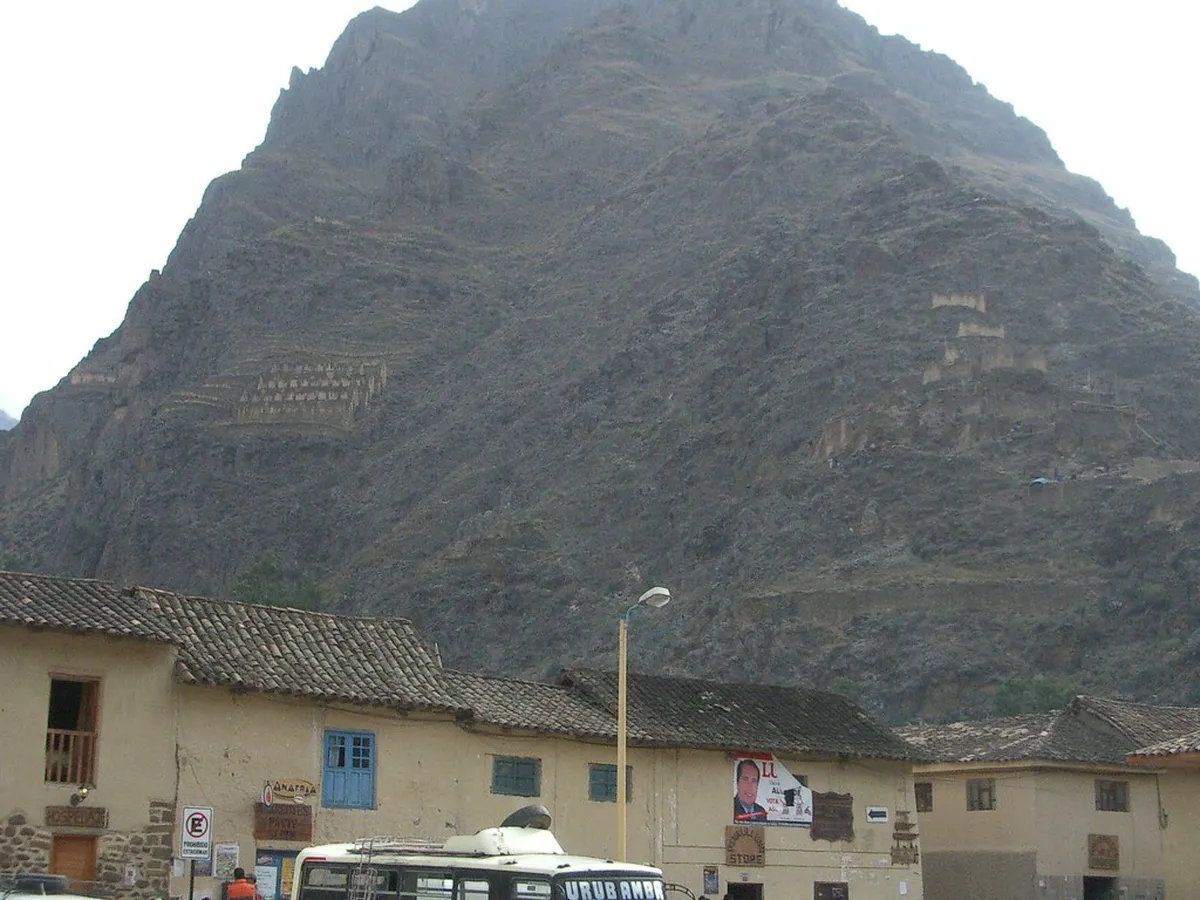
The Ultimate Ollantaytambo Fortress Guide for Travelers
Ollantaytambo is the most famous "Living Inca City" in the world. This ancient town sits in the heart of the Sacred Valley. Visitors often stop here before heading to Machu Picchu. To see it correctly, you need a solid Ollantaytambo fortress guide to navigate the steep ruins. The site served as a royal estate and a defensive stronghold. It features massive stone terraces and intricate water systems. Most explorers enjoy the mix of history and stunning mountain views found here.
The town below the ruins still follows the original Inca grid layout. Many families still live in traditional stone houses. You can find this site roughly 60 kilometers from the city of Cuzco. Getting here is easy by car or train. It is a vital part of the top attractions near Cuzco that everyone must visit. This guide will help you find the best spots within the archaeological park and surrounding areas. Let us explore the magic of this ancient mountain fortress.
Planning Your Visit with an Ollantaytambo Fortress Guide
Understanding the layout of the valley is the first step. The main archaeological site rises high above the village. It contains some of the best-preserved Inca architecture in Peru today. Most visitors arrive in the morning with a tour group. However, staying overnight allows you to beat the heavy crowds. You will need a "Boleto Turistico" to enter these ruins. You can buy this partial or full tourist ticket at the gates.
The climb involves over 200 steep stone steps. Take your time to avoid altitude sickness. The air is thinner here than at sea level. Hydration and coca tea can help you stay energized. Many people combine this visit with other Sacred Valley day trips for a full experience. This site is recognized as a significant piece of history by the UNESCO World Heritage Centre for its cultural value.
The fortress was a site of major battles. It is where the Inca resisted Spanish forces successfully. The craftsmanship of the stones is truly world-class. You will see joints so tight that a blade cannot fit between them. Wear sturdy hiking shoes for the uneven terrain. Sun protection is also vital at this elevation. Use these tips to make the most of your journey into the past.
Top 12 Must-See Highlights in Ollantaytambo
The ruins are vast and full of architectural wonders. This list covers the main fortress and great spots nearby. Each entry provides the essential details for your itinerary. Check out these top picks for your next visit.
-
Name: The Temple of the Sun
Type: sight
Why go: This is the most impressive structure in the complex. It features massive pink granite monoliths.
Best for: History buffs and photographers.
Where: The top tier of the main ruin complex.
Time: 30 minutes.
Cost: Included in ticket.
Getting there: Hike the main central staircase from the entrance.
Tip: Look for the "Wall of the Six Monoliths" here. -
Name: Pinkuylluna Granaries
Type: viewpoint
Why go: These ancient storehouses sit on the mountain opposite the fortress. They offer the best aerial view of the town.
Best for: Hikers and panoramic views.
Where: The mountain slope across from the main site.
Time: 1-2 hours.
Cost: Free.
Getting there: Walk up the steep trail from Calle La Convención.
Tip: Hike early in the morning for cooler temperatures. -
Name: The Princess Baths (Baño de la Ñusta)
Type: sight
Why go: A beautiful stone fountain used for ritual bathing. It shows incredible Inca hydraulic engineering.
Best for: Water feature enthusiasts.
Where: The base of the ruins near the exit.
Time: 15 minutes.
Cost: Included in ticket.
Getting there: Follow the path at the bottom of the terraces.
Tip: The water still flows through these ancient channels today. -
Name: Wall of the Six Monoliths
Type: sight
Why go: These six huge stones are part of the Sun Temple. They represent some of the heaviest stonework in the valley.
Best for: Awe-inspiring architecture.
Where: Primary upper terrace.
Time: 10 minutes.
Cost: Included in ticket.
Getting there: High point of the main ruins.
Tip: Notice the small spacer stones between the giant blocks. -
Name: Plaza Mañay Raqay
Type: experience
Why go: This large open space served as the ceremonial entrance ruins. It is often filled with local artisans.
Best for: Shopping and gathering.
Where: Entrance of the archaeological park.
Time: 20 minutes.
Cost: Free to browse.
Getting there: Center of the ruin entrance area.
Tip: Great spot to hire a local guide. -
Name: Pumaccahuan Street
Type: neighborhood
Why go: It is one of the narrowest and most historic streets. You can see the original Inca water canals running here.
Best for: Cultural immersion.
Where: Old town center.
Time: 30 minutes.
Cost: Free.
Getting there: Walk from the main town plaza.
Tip: Look for the traditional red flags indicating local corn beer (chicha). -
Name: The Enclosure of the 10 Niches
Type: sight
Why go: A finely crafted wall likely used for religious offerings. It demonstrates high-status masonry.
Best for: Close-up photography.
Where: Upper ceremonial sector.
Time: 10 minutes.
Cost: Included.
Getting there: Upper level near the Temple of the Sun.
Tip: The trapezoidal shapes are classic Inca design. -
Name: Perolniyoc Waterfall
Type: day trip
Why go: A stunning 100-meter waterfall with ruins perched at the top. It is a quiet escape from the crowds.
Best for: Nature lovers and hikers.
Where: Near the village of Socma.
Time: 4-5 hours.
Cost: Small local entry fee or guide cost.
Getting there: 30-minute taxi to Socma, then a 1-hour hike.
Tip: Bring plenty of water and a rain jacket. -
Name: Maras Salt Mines
Type: day trip
Why go: Thousands of ancient salt evaporation ponds still in use. It is a visual marvel unlike anywhere else.
Best for: Unique scenery.
Where: Maras town area.
Time: 1-2 hours.
Cost: Usually 10-15 Soles.
Getting there: Book a Maras salt mines tour from town.
Tip: Buy a bag of pink mountain salt for a souvenir. -
Name: Moray Terraces
Type: day trip
Why go: Massive circular agricultural terraces that look like a natural amphitheater. The Incas used it as a lab.
Best for: Science and history.
Where: Higher plateau near Maras.
Time: 1 hour.
Cost: Boleto Turistico.
Getting there: Use Moray archaeological site tips to plan your taxi ride.
Tip: Each terrace level has a different microclimate. -
Name: ChocoMuseum Ollantaytambo
Type: museum
Why go: Learn about the history of cacao in Peru. You can make your own chocolate bars.
Best for: Families and foodies.
Where: Near the main town square.
Time: 1 hour.
Cost: Free entry, workshops cost extra.
Getting there: Short walk from any hotel in town.
Tip: Try the chocolate tea in the café. -
Name: Pisac Market and Ruins
Type: day trip
Why go: Pisac offers even more vast terracing and a famous artisanal market. It is the perfect loop with Ollantaytambo.
Best for: Souvenirs and hiking.
Where: East end of the Sacred Valley.
Time: Full day.
Cost: Boleto Turistico.
Getting there: Reference a Pisac market and ruins guide for transport info.
Tip: Visit on Sunday for the full market experience.
Local Logistics and Travel Secrets
When using an Ollantaytambo fortress guide, transportation timing is key. Most travelers enjoy taking the train from Ollantaytambo to Machu Picchu. The station is located a 10-minute walk from the ruins. Many people rush through the town to catch their train. We suggest arriving at least three hours early. This gives you time to explore the main site without stress. You can find more details on exploring the Ollantaytambo fortress ruins in Sacred Valley to plan the perfect route.
Dining in Ollantaytambo is an adventure of its own. Many restaurants serve fresh trout from the river. You can also find modern cafes with mountain views. Local markets offer cheap and delicious fruit. Try the "Tuna" fruit (cactus pear) during the summer months. It is refreshing after a long hike. Always check official transport sites like PeruRail for the latest schedules.
For the best photos, visit the ruins in the late afternoon. The sun hits the mountains at a beautiful angle. The crowds also thin out as tour buses head back. You can see the sunset glow on the pink granite stones. Bring a wide-angle lens for the terraces. Remember to pack a light sweater as the valley cools fast. Following these tips ensures a memorable trip to Peru.
Frequently Asked Questions
How much time do I need for the Ollantaytambo ruins?
You should plan for at least two to three hours. This allows time to climb the terraces and see the Sun Temple. If you want to visit the granaries across the valley, add another two hours. A half-day is usually perfect for most travelers.
Which ticket do I need to enter the fortress?
You need the Boleto Turistico (Tourist Ticket). You can buy a partial ticket for just Sacred Valley ruins. This ticket lasts for two days. Alternatively, buy the full 10-day ticket to see everything in the Cuzco region. Cash is often required at the gate.
Is it better to stay in Cuzco or Ollantaytambo?
Staying in Ollantaytambo is highly recommended. The altitude is lower than Cuzco, which helps with acclimatization. It also allows you to enjoy the quiet town before the day-trippers arrive. Plus, you will be closer to the train station for Machu Picchu.
This Ollantaytambo fortress guide highlights how much history is packed into one valley. From the massive monoliths to the living Inca streets, the experience is unmatched. Plan your visit carefully to avoid the peak mid-day crowds. Consider spending a night in the village to soak in the atmosphere. Don't forget to explore nearby spots like the Maras Salt Mines. For more help planning your trip, view our Sacred Valley day trips overview. Enjoy your journey through the incredible heart of the Andes Mountains!
Official resources
Use these sources for official schedules, tickets, routes, and updates.
- Peru Travel — unverified
- UNESCO World Heritage Centre — unverified
- Lonely Planet — unverified
- Municipalidad del Cusco — unverified
- Ministerio de Cultura - Machu Picchu — unverified
- UNSAAC University — unverified
- PeruRail — unverified