
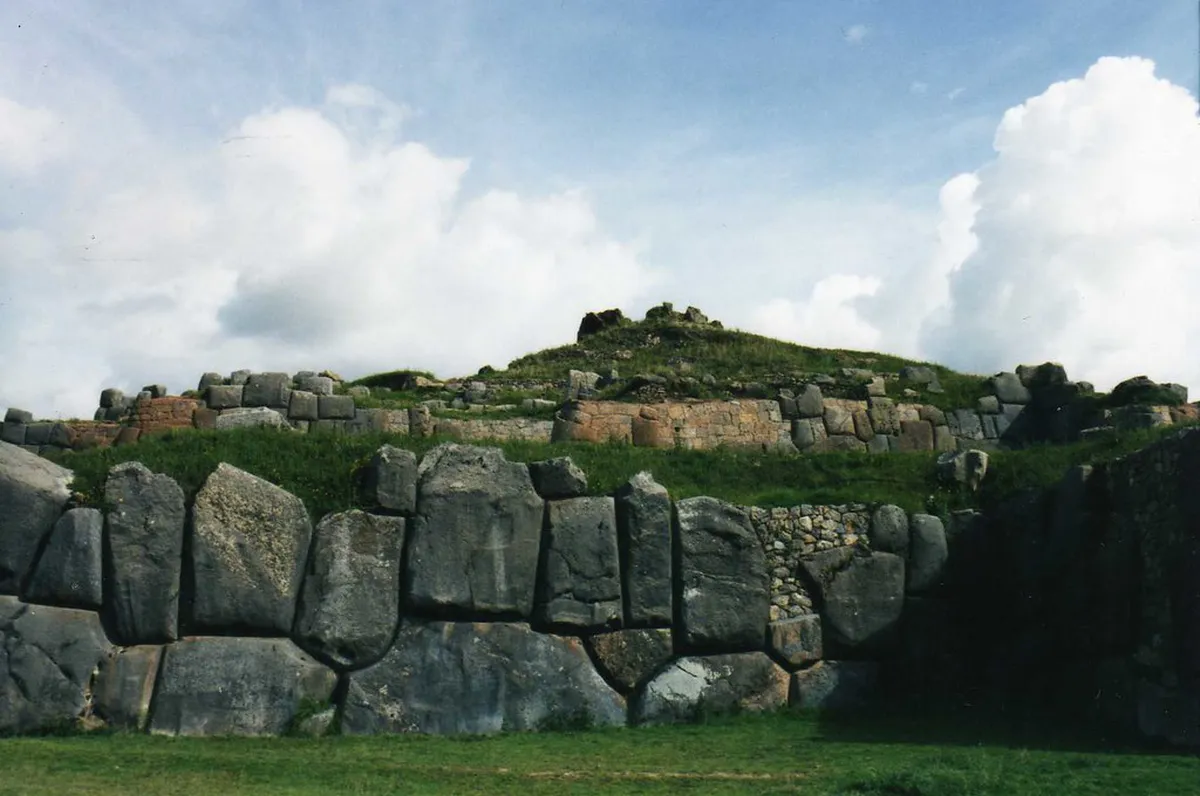
Top Tips for Exploring the Ollantaytambo Fortress Ruins
Exploring the Ollantaytambo fortress ruins in Sacred Valley offers a glimpse into ancient life. This site remains one of the most impressive Inca engineering feats. You will find massive stone walls and steep terraces climbing the mountainside. Today, it serves as a living town where history surrounds you. This guide will help you navigate this stunning archaeological wonder. Learn what to see and how to make the most of your trip. Most travelers visit while on Sacred Valley day trips from Cusco. Make sure to allow plenty of time here.
Planning Your Trip to Ollantaytambo
Ollantaytambo sits at an altitude of about 9,160 feet. This is slightly lower than Cusco city. It is a great place to acclimate before heading higher. The site was once a royal estate for Emperor Pachacuti. Later, it became a stronghold during the Spanish conquest. You need the Cusco Tourist Ticket to enter these grounds. This pass covers various sites across the valley.
The weather shifts quickly in the Peruvian Andes. Morning visits offer cooler temperatures for climbing the steep steps. Afternoons can get windy and bright. The site is a UNESCO World Heritage location for good reason. Bring plenty of water and wear sturdy shoes. Sunscreen is essential even on cloudy days. Many people use an Ollantaytambo fortress guide to understand the deep symbolism here.
Exploring the Ollantaytambo Fortress Ruins in Sacred Valley
Start your journey at the base and work your way upward. The ruins are divided into several distinct sectors. Each area served a specific sacred or agricultural purpose. Use this list to find the highlights during your visit. These specific spots are essential for any trip.
- Best overall: Sun Temple
- Best for families: The Princess's Bath
- Best for fitness: Pinkuylluna Granaries
- Best free activity: Exploring the Old Town market
-
Name: Temple of the Sun
Type: sight
Why go: This is the crowning jewel of the fortress. It features six massive pink granite blocks that fit together perfectly.
Best for: Architecture lovers.
Where: At the very top of the main stairwell.
Time: 30 minutes.
Cost: Included in ticket.
Getting there: A steep climb up 200+ terraces.
Tip: Look for the joints between stones where no mortar was used. -
Name: Wall of the Six Monoliths
Type: sight
Why go: It showcases the unbelievable precision of Inca masonry. These stones weigh many tons each.
Best for: Photography.
Where: Part of the Sun Temple complex.
Time: 15 minutes.
Cost: Included in ticket.
Getting there: Reach the main upper platform.
Tip: Visit at mid-morning for the best light on the rose-colored stone. -
Name: The Princess’s Bath (Baño de la Ñusta)
Type: experience
Why go: This is a ceremonial fountain with intricate stone carvings. It still flows with water today.
Best for: Families and spirituality buffs.
Where: At the base of the ruins in the lower sector.
Time: 15 minutes.
Cost: Included in ticket.
Getting there: Walk to the left of the main entrance stairs.
Tip: Touch the water; it is part of a complex ancient irrigation system. -
Name: Pinkuylluna Granaries
Type: nature/viewpoint
Why go: These storehouses sit on the mountain directly opposite the fortress. They offer the best panoramic views of the town.
Best for: Hikers.
Where: The mountain trail facing the main ruins.
Time: 1.5 hours.
Cost: Free.
Getting there: Hike up the trail from the town’s narrow streets.
Tip: This hike is steep, so take it slow to avoid altitude sickness. -
Name: Royal Terraces
Type: sight
Why go: These massive terraces were used for farming and defense. They create a beautiful geometric pattern.
Best for: General sightseeing.
Where: Front side of the mountain ruins.
Time: 20 minutes.
Cost: Included in ticket.
Getting there: Follow the main path from the entrance.
Tip: Look back from halfway up for a great perspective of the town layout. -
Name: The Intihuatana
Type: experience
Why go: This "hitching post of the sun" was an astronomical tool. It helped the Incas track solstices and planting seasons.
Best for: History buffs.
Where: Near the upper ceremonial area.
Time: 15 minutes.
Cost: Included in ticket.
Getting there: Follow signs past the Sun Temple.
Tip: Notice how it aligns with specific mountain peaks. -
Name: Old Town Cobblestone Streets
Type: neighborhood
Why go: This is the only town in Peru that keeps its original Inca layout. Many houses still use original stone foundations.
Best for: Relaxing.
Where: Directly below the fortress.
Time: 1 hour.
Cost: Free.
Getting there: Two-minute walk from the ruin entrance.
Tip: Visit the market in the main plaza for local textiles. -
Name: Pumamarca Ruins
Type: day trip
Why go: It is a quieter, older Incan site located in the hills. Most tourist crowds never reach this spot.
Best for: Solitude.
Where: 4 miles from Ollantaytambo town.
Time: 4 hours total.
Cost: Low entry fee.
Getting there: Hike or take a local taxi up the Patacancha Valley.
Tip: The hike back down to town offers stunning valley views. -
Name: Salinas de Maras
Type: day trip
Why go: Thousands of salt ponds cascade down a canyon wall. It is a visual marvel near the village of Maras.
Best for: Photographers.
Where: Between Ollantaytambo and Cusco.
Time: 2 hours.
Cost: Paid entry (separate from Tourist Ticket).
Getting there: 30-minute taxi ride or as part of a tour.
Tip: Buy some pink salt at the small shops near the lookout. -
Name: Choqana Ruins
Type: sight
Why go: This was an ancient checkpoint and resting place. It overlooks the Urubamba River.
Best for: Quick stops.
Where: Entrance to the Ollantaytambo valley.
Time: 15 minutes.
Cost: Free/Public view.
Getting there: On the road coming from Cusco.
Tip: This is a great spot to see the sheer scale of the valley defenses.
Best Ways to Reach the Fortress Ruins
Getting to Ollantaytambo is quite easy from Cusco. Most travelers take a van called a collectivo. These depart frequently from Pavitos Street in Cusco. The ride takes about two hours and offers beautiful views. You can also hire a private driver for more flexibility. This allows you to stop at viewpoints along the way.
Many people use this town as a base for taking the train from Ollantaytambo to Machu Picchu. The train station is a short walk from the ruins. Check the official ticket site for your monument passes. Staying overnight in town is highly recommended. This lets you visit the ruins early before the tour buses arrive from Cusco.
Frequently Asked Questions
How much does it cost to enter the Ollantaytambo ruins?
Entry is usually via the Cusco Tourist Ticket (Boleto Turístico). A full ticket costs about 130 soles ($35 USD). It lasts for 10 days. A partial ticket for just the Sacred Valley costs 70 soles ($19 USD). Prices may change slightly in 2026.
When is the best time to visit Ollantaytambo?
The best time is the dry season from May to September. July and August are the busiest months. To avoid crowds, visit at 7:00 AM or after 3:30 PM. The light in the late afternoon is perfect for photography.
Is the hike up the ruins difficult?
The climb is steep but well-maintained. There are over 200 stone steps to reach the Sun Temple. Most people can do it with short breaks. Remember to breathe deeply due to the high altitude. It takes about 20-30 minutes to climb up.
Exploring the Ollantaytambo fortress ruins in Sacred Valley is a highlight of any Peru trip. You will see incredible stone work and learn about Inca bravery. Make sure to visit the Pinkuylluna granaries for a unique view. After your tour, relax in the local town with a traditional meal. Plan ahead by checking out other top attractions near Cuzco to complete your itinerary. Enjoy the magic of the Andes!
Official resources
Use these sources for official schedules, tickets, routes, and updates.
- Peru Travel — unverified
- UNESCO World Heritage Centre — unverified
- Lonely Planet — unverified
- Municipalidad del Cusco — unverified
- Ministerio de Cultura - Machu Picchu — unverified
- UNSAAC University — unverified