
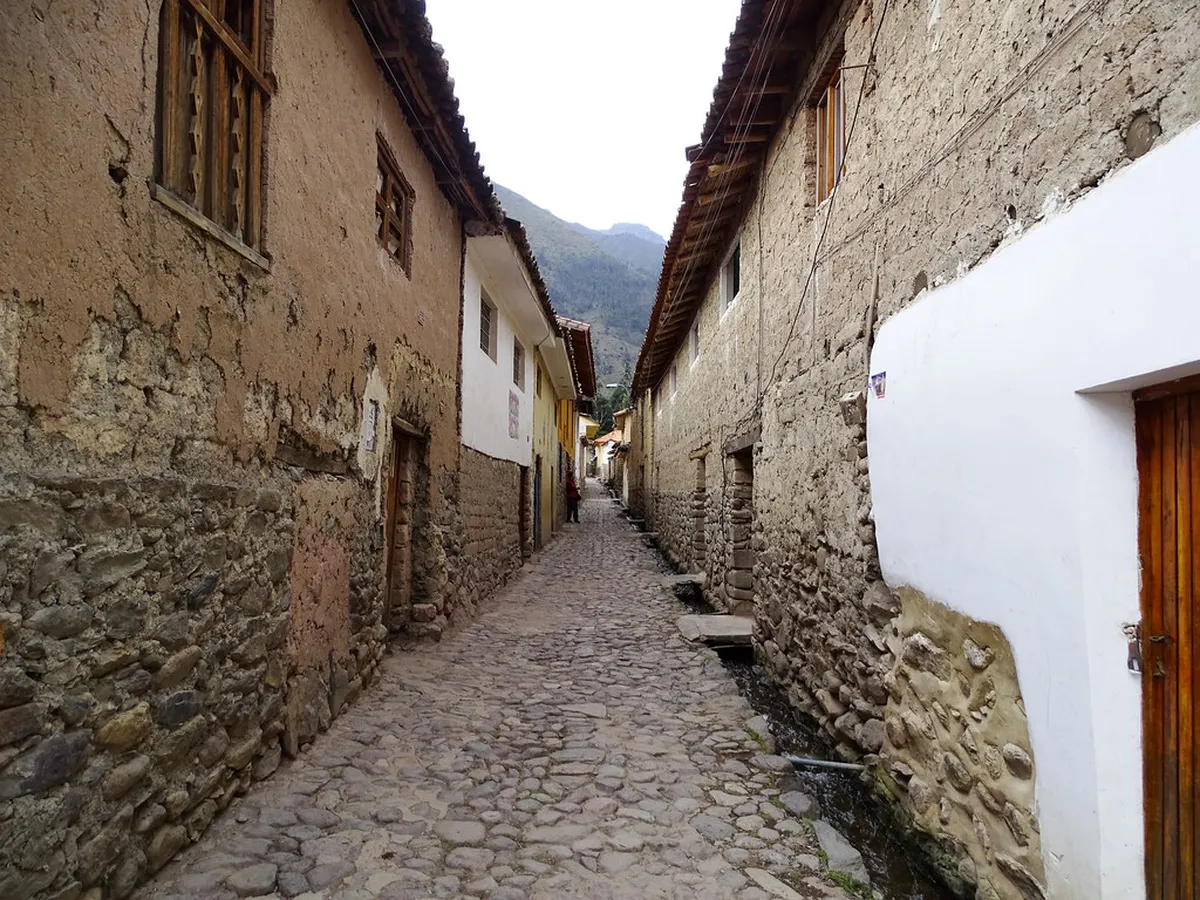
The Ultimate Authentic Ollantaytambo Food Guide for 2026
Ollantaytambo is more than a train stop on the way to Machu Picchu. This ancient town sits in the heart of the Sacred Valley. It is a living Inca village with deep culinary roots. Visiting here allows you to taste centuries of tradition. Our authentic Ollantaytambo food guide helps you find the best local flavors.
The region is famous for native potatoes, giant corn, and fresh river trout. Local chefs focus on organic ingredients from nearby farms. You can find everything from street food to gourmet tasting menus. Many restaurants offer views of the massive Inca fortresses above the town. Prepare your palate for an incredible journey through Andean history.
Whether you want a quick bite or a ritual meal, this guide has you covered. We have selected spots that prioritize local community and traditional techniques. These experiences will make your stay in the Sacred Valley truly memorable. Let's explore the diverse tastes of this majestic mountain town.
Taste the Sacred Valley: Food Traditions in Peru
The food in Ollantaytambo reflects the diverse landscape of the Andes. Farmers grow crops at varying altitudes to ensure variety. You will find thousands of types of native potatoes here. Traditional cooking methods often involve open flames or underground pits. These techniques have been passed down for generations within the community.
Most menus feature staples like quinoa, alpaca meat, and roasted guinea pig. Peruvian cuisine is now world-famous for its unique fusion of styles. However, in the Sacred Valley, the focus remains on the land. Many local eateries participate in farm-to-table programs. This ensures the freshest produce reaches your plate while supporting local families.
Dining here is a social event involving the whole community. You might see locals gathering at a chicheria for corn beer. These spots are marked by a red flower on a pole. Visitors are welcome to join and experience the authentic local lifestyle. It is a great way to learn about the Ollantaytambo District history first-hand.
10 Best Stops in an Authentic Ollantaytambo Food Guide
This list features a mix of iconic views and local hidden gems. Use these picks to plan your meals during your stay.
- Best for authenticity: Chuncho
- Best for families: El Albergue
- Best budget: Mercado Central
- Best view: Apu Veronica
-
Name: Chuncho
Type: Heritage Dining
Why go: It offers the most authentic preservation of ancient Valley recipes.
Best for: Native potato tastings and classic Andean dishes.
Where: Main Plaza.
Time: 2 hours.
Cost: Typical prices range from $15 to $35.
Tip: Ask about their seasonal ingredient list which changes monthly. -
Name: Mercado Central
Type: Local Market
Why go: This is where the locals eat their daily lunch.
Best for: Fresh juices and caldo de gallina (hen soup).
Where: Street behind the main square.
Time: 45 minutes.
Cost: Very budget-friendly (usually under $5).
Tip: Read our market shopping tips before you go. -
Name: El Albergue Farm
Type: Farm-to-Table Experience
Why go: You can watch your meal come out of an underground earth oven.
Best for: The traditional Pachamama ceremony.
Where: Near the train station.
Time: 3 hours.
Cost: Expect to pay $40+ for the full experience.
Tip: Book at least 24 hours in advance for the Pachamama lunch. -
Name: Apu Veronica
Type: Riverside Dining
Why go: It offers stunning views of the Urubamba River and the ruins.
Best for: Fresh river trout and alpaca steak.
Where: Near the bridge to the ruins.
Time: 1.5 hours.
Cost: Moderate prices ($10-20).
Tip: Try to get a table on the balcony for the best photo ops. -
Name: Calle Belen Chicha Houses
Type: Local Experience
Why go: To try authentic Chicha de Jora (fermented corn beer).
Best for: Cultural immersion and meeting locals.
Where: Look for red flags on Calle Belen.
Time: 30 minutes.
Cost: Usually just a few soles.
Tip: If you see a green flag, they may have fruit-flavored chicha called frutillada. -
Name: Alqa
Type: Gourmet & Art Gallery
Why go: It combines beautiful art with high-altitude ingredients.
Best for: A quiet, sophisticated dinner.
Where: A few blocks from the square.
Time: 2 hours.
Cost: Mid to high range ($20-40).
Tip: Take time to walk through the gallery before sitting down to eat. -
Name: Café Mayu
Type: Coffee & Bakery
Why go: They roast their own coffee and make incredible sourdough.
Best for: Breakfast before catching your train.
Where: On the platform of the PeruRail station.
Time: 30-60 minutes.
Cost: Low to moderate ($5-15).
Tip: Their chocolate brownies are famous among backpackers. -
Name: Amanto
Type: Modern Andean
Why go: They use scientific techniques to process ancient local grains.
Best for: High-end foodies looking for creative presentations.
Where: Near the old Inca town section.
Time: 2 hours.
Cost: High ($30-50).
Tip: The quinoa risotto is a standout dish here. -
Name: Don Romulo
Type: Traditional Picanteria
Why go: It is a family-run spot focused on local comfort food.
Best for: Large portions of hearty Andean soups.
Where: Just off the main road.
Time: 1 hour.
Cost: Low ($5-10).
Tip: This is a great place to try Cuy (guinea pig) at a fair price. -
Name: Pizzeria Inti Killa
Type: Fusion Pizza
Why go: They bake pizzas in massive wood-fired ovens with local toppings.
Best for: A casual night out after a long hike.
Where: Main square.
Time: 1 hour.
Cost: Moderate ($8-15).
Tip: Try the Sacred Valley pizza with local sun-dried tomatoes.
Day Trips for Foodies Near Ollantaytambo
Ollantaytambo serves as a great base for exploring neighboring culinary sites. You can visit the Maras salt mines to see how pink salt is harvested. These ancient pans have been in use since before the Inca Empire. Many Sacred Valley day tours include a stop here. It is the perfect place to buy gourmet souvenirs for your kitchen.
For those who love a challenge, hike to the Pinkuylluna granaries. These stone structures were once used to store corn and potatoes. The high altitude and wind provided natural refrigeration for the community. Seeing these ruins helps you understand how the Inca managed their vast food supply. The views of the valley from here are also spectacular.
Another great food-focused trip is visiting the farms near Pumamarca. You can walk through terraced fields that are still in use today. Some local families offer small snacks or farm tours to passing hikers. It is a humble way to see the reality of Andean agriculture. Always remember to carry small change in soles to tip your hosts.
Practical Tips for Dining in the Sacred Valley
Safety is a priority when enjoying an authentic Ollantaytambo food guide. We recommend sticking to bottled or filtered water at all times. Avoid ice in drinks unless you are in a reputable restaurant. Most high-end spots use purified water for washing their vegetables. However, it is always wise to be cautious with raw salads.
Be aware of altitude sickness when consuming alcohol or heavy meals. Digestion slows down significantly at 2,792 meters (9,160 feet). It is best to eat your largest meal at lunch rather than dinner. This gives your body time to process the food before you sleep. Drinking coca tea is a popular local way to aid digestion and energy.
Most restaurants in town accept credit cards, but smaller spots do not. Always carry cash for market stalls or chicha houses. Tipping is not mandatory but usually expected for good service. A tip of 10% is standard in modern restaurants. Check Peru Travel for any updated health or safety advisories before your trip.
Frequently Asked Questions
Is street food safe to eat in Ollantaytambo?
Yes, street food can be safe if you choose busy stalls. Look for vendors where locals are queuing up for fresh items. Stick to hot, cooked foods like anticuchos or grilled corn. Avoid any pre-cut fruits or unpeeled vegetables to prevent stomach issues during your trip.
What is the most famous dish in the Sacred Valley?
Cuy (roasted guinea pig) is the most iconic traditional dish here. It is usually served whole and prepared with local herbs. Another staple is trout from the Urubamba River. Both dishes are central to the culinary heritage of the Ollantaytambo region and are widely available.
Do I need to make dinner reservations in Ollantaytambo?
For popular spots like Chuncho or the Pachamama experience at El Albergue, reservations are highly recommended. These venues often fill up quickly with tour groups. Casual cafes and market stalls do not require bookings. Most places allow you to walk in for lunch without much of a wait.
Ollantaytambo offers a rich tapestry of flavors that every traveler should explore. From the ancient ritual of Pachamama to modern fusion pizzas, the options are endless. Use this authentic Ollantaytambo food guide to dive deep into the local culture. You will leave with a full stomach and a better understanding of the Andes. Do not forget to check the Machu Picchu train logistics before you feast!
Official resources
Use these sources for official schedules, tickets, routes, and updates.
- Peru Travel — National tourism board; unverified.
- UNESCO World Heritage Centre — International heritage authority; unverified.
- Lonely Planet — Major travel editorial; unverified.
- COSITUC — Official tourist ticket authority; unverified.
- PeruRail — Primary rail transport provider; unverified.
- Inca Rail — Major rail transport provider; unverified.