
Best Ollantaytambo Market Shopping Tips for 2026
Are you looking for the best Ollantaytambo market shopping tips to find unique treasures? This ancient Inca town offers more than just stunning ruins. It is a hub for vibrant textiles, handmade jewelry, and local flavors. Knowing where to go and what to look for will save you time and money. Use this guide to navigate the bustling stalls and bring home authentic Peruvian pieces.
Essential Ollantaytambo Market Shopping Tips
Shopping in Ollantaytambo requires a mix of patience and a keen eye. Most visitors head straight to the large market near the train station. However, the best gems are often hidden in the narrower streets of the Living Inca Village. You should always carry local currency in small bills. Many vendors do not accept credit cards or large 100-sol notes.
Timing is everything when you want to avoid heavy crowds. Arrive early in the morning before the tour buses from Cusco arrive. You will have more space to browse and chat with artisans. Many sellers are more willing to negotiate prices when the market is quiet. Use these Ollantaytambo market shopping tips to ensure a relaxing experience. It helps to learn a few basic Spanish phrases for numbers and greetings.
Respect is vital when you are browsing the various stalls. Always ask for permission before taking close-up photos of vendors or their specific work. Some artisans consider their designs private and unique. Buying a small item is a polite way to show appreciation for their time. This approach builds a friendly connection with the local community.
- Best overall: Main Artisan Market near the ruins entrance
- Best for families: ChocoMuseo for hands-on sweet treats
- Best rainy-day: The covered San Pedro Food Market
- Best free: Exploring the historic cobblestone streets of the village
12 Best Authentic Sights and Experiences to Buy
The variety of goods in this region can be overwhelming for first-time visitors. From high-altitude wool to salt harvested from ancient ponds, the options are endless. This list focuses on high-quality items and specific locations that define the local culture. Make sure to choose products that tell a story about the Sacred Valley.
-
Name: Artisan Market Ponchos
Type: Sight/Activity
Why go: To find traditional patterns unique to the Ollantaytambo district.
Best for: Keeping warm during cool Andean nights.
Where: At the entrance to the main ruins.
Time: 1 hour.
Cost: 45 to 120 Soles.
Getting there: Walk 10 minutes from the town center.
Tip: Look for what to buy carefully by checking the quality of the fringe and seams. -
Name: San Pedro Food Market
Type: Experience
Why go: To see where locals buy fresh produce and giant corn.
Best for: Authentic snacks and photography.
Where: Near the corner of Calle Ventasidero.
Time: 30 minutes.
Cost: 5 to 15 Soles for snacks.
Getting there: Located two blocks from the main square.
Tip: Try the 'choclo con queso' (corn with cheese) for a quick local lunch. -
Name: Awana Kancha Textiles
Type: Day Trip
Why go: To see the entire weaving process from alpaca to garment.
Best for: Premium, high-end souvenirs.
Where: On the road toward Cusco.
Time: 2 hours.
Cost: Free entry; items vary from 100 to 800+ Soles.
Getting there: Take a 45-minute taxi or local colectivo.
Tip: You can feed the llamas and alpacas for a small donation here. -
Name: Maras Pink Salt
Type: Experience/Product
Why go: Naturally harvested salt from thousands of ancient ponds.
Best for: Cooks and food lovers back home.
Where: Maras Salt Mines.
Time: 1.5 hours.
Cost: 10 Soles entry; bags of salt are 5 Soles.
Getting there: Book a half-day tour from the town square.
Tip: Buy the coarse bath salts as well for a relaxing spa gift. -
Name: Hand-Painted Ceramics
Type: Craft
Why go: Local artists use traditional Inca geometric patterns.
Best for: Home decor and unique office gifts.
Where: Boutique shops along the Plaza de Armas.
Time: 45 minutes.
Cost: 30 to 200 Soles.
Getting there: Walk to the main town square.
Tip: Ask the shopkeeper for extra bubble wrap if you are traveling by plane. -
Name: Organic Cacao and Chocolate
Type: Experience
Why go: Peru produces some of the world's finest organic cacao.
Best for: Sweet tooths and sustainable shoppers.
Where: ChocoMuseo Ollantaytambo.
Time: 30 minutes.
Cost: 10 to 40 Soles.
Getting there: Located in the heart of the village.
Tip: Check their workshop schedule to make your own chocolate bar. -
Name: Silver Filigree Jewelry
Type: Activity
Why go: Skilled silversmiths create intricate designs inspired by nature.
Best for: Special occasions or a high-quality keepsake.
Where: Small jewelry booths near the Pinkuylluna entrance.
Time: 30 minutes.
Cost: 80 to 300 Soles.
Getting there: Walk toward the Pinkuylluna granaries trail base.
Tip: Look for the 925 stamp to ensure the silver is high quality. -
Name: Chichería Local Corn Beer
Type: Experience
Why go: To experience a traditional Andean social hub.
Best for: Brave travelers looking for deep cultural immersion.
Where: Look for red plastic bags on poles outside doorways.
Time: 20 minutes.
Cost: 1 to 3 Soles per glass.
Getting there: Wander the side streets of the old town.
Tip: Sip slowly and enjoy the local atmosphere; it is very casual. -
Name: Hand-Carved Gourd Art
Type: Craft
Why go: These gourds tell visual stories of village life and history.
Best for: Lightweight gifts that are easy to pack.
Where: Independent stalls in the Plaza de Armas.
Time: 15 minutes.
Cost: 15 to 60 Soles.
Getting there: Centrally located in the town square.
Tip: Check for a smooth finish to ensure the design won't flake off. -
Name: Pisac Sunday Market
Type: Day Trip
Why go: One of the largest and most famous markets in South America.
Best for: Variety and quantity of items.
Where: Pisac Main Square.
Time: 4 hours.
Cost: Guided tours cost about 80 Soles.
Getting there: Take a 1-hour colectivo from Ollantaytambo.
Tip: Go on a Sunday for the most authentic and largest selection of vendors. -
Name: Genuine Baby Alpaca Sweaters
Type: Craft
Why go: This is the softest and finest wool available in Peru.
Best for: Luxury shoppers wanting the best quality.
Where: Boutique textile stores in the old town.
Time: 1 hour.
Cost: 150 to 500 Soles.
Getting there: Located on the pedestrian path to the ruins.
Tip: If the price seems too low, it is likely a synthetic blend. -
Name: Traditional Musical Instruments
Type: Shop/Experience
Why go: Buy a 'quena' or 'zampoña' (panpipes) from a maker.
Best for: Music lovers and collectors.
Where: Market stalls near the train station.
Time: 20 minutes.
Cost: 10 to 80 Soles.
Getting there: Head south toward the Perurail train station.
Tip: Ask the vendor to play a short tune to check the sound.
How to Spot Authentic Peruvian Crafts
One of the most important Ollantaytambo market shopping tips is learning to identify real materials. Many stalls sell 'baby alpaca' which is actually acrylic or polyester. Real alpaca feels cold when you first touch it. It also has a slight weight and does not feel slippery like plastic. If you are unsure, move to a high-end boutique for comparison.
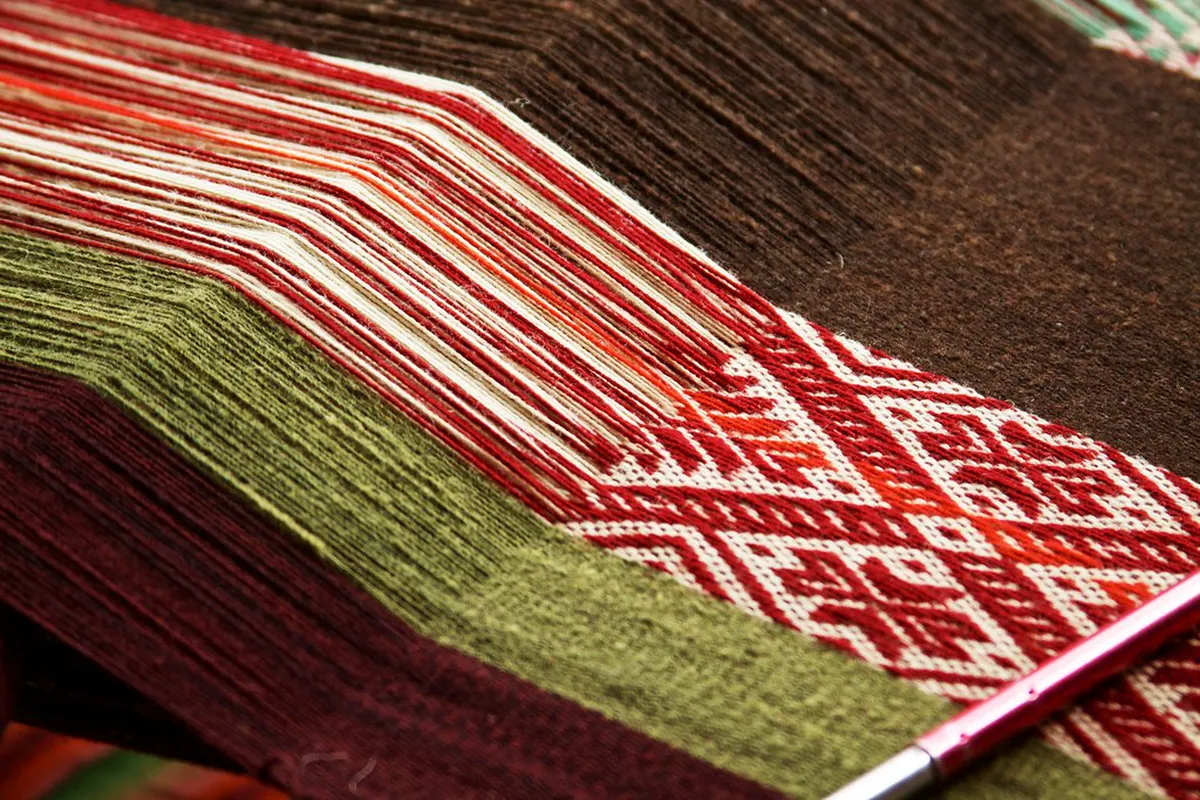
Natural dyes are another hallmark of authentic Sacred Valley textiles. Traditional weavers use cochineal insects for reds and plants for greens and blues. These colors appear more earthy and rich than neon synthetic dyes. You can find these authentic pieces in specialty shops in the Living Inca Village. Supporting these artisans helps preserve ancient traditions for years to come.
Price is often a good indicator of quality in the market. A hand-woven poncho can take weeks or even months to complete. If the price is incredibly low, it was likely made by a machine. True artisan work features slight irregularities that show it was made by hand. Look for these small details to ensure you are buying a genuine piece of art.
Navigating Logistics and Local Manners
When you finish your ruins visit, you will walk through the main market. This area is very convenient but can be more expensive than other spots. Use your Ollantaytambo market shopping tips to navigate the pressure of eager sellers. A polite 'No, gracias' is usually enough to stop most sales pitches. Keep your backpack in front of you in crowded spaces for safety.
Haggling is common but should always be done with a smile. It is not about winning; it is about finding a fair price for both parties. Typically, you can ask for a 10% to 20% discount on the starting price. Be realistic about the value of the craftsman's time and skill. According to the Ollantaytambo District official site, tourism is a vital part of the local economy.
If you have questions about entry tickets or market zones, check with COSITUC authorities. They often have staff near the entrance to major attractions who can help. Remember that many shops close during the afternoon for a short break. Planning your shopping around these hours will make your trip much smoother and more enjoyable.
Frequently Asked Questions
What is the best thing to buy in Ollantaytambo?
Hand-woven alpaca textiles and salt from the nearby Maras mines are the most authentic items. Most visitors look for ponchos, table runners, and scarves with traditional patterns. These items reflect the deep cultural heritage of the Sacred Valley and support local family weaving cooperatives.
Do I need cash for the Ollantaytambo market?
Yes, you definitely need cash in Soles for almost all transactions. While some high-end boutiques in the main square might accept credit cards, market stall vendors only take physical currency. Ensure you carry small denominations like 10 and 20 Soles because making change for large bills is often difficult.
Is haggling expected at the Ollantaytambo artisan market?
Haggling is socially acceptable and often expected in the artisan markets. You should aim for a respectful negotiation rather than a deep discount. Usually, you can lower the initial price by about 10% or 15%. However, in fixed-price boutique shops, haggling is not appropriate or successful.
Visiting the markets of Ollantaytambo is a highlight of any trip to Peru. By using these Ollantaytambo market shopping tips, you can find high-quality treasures and avoid common mistakes. Remember to focus on authentic materials and support local artisans who keep Inca traditions alive. Whether you buy a simple bag of pink salt or a luxurious alpaca sweater, these items will serve as lasting memories. Before you leave, make sure to check out the Ollantaytambo ruins visitor guide to complete your adventure. Happy shopping!
Official resources
Use these sources for official schedules, tickets, routes, and updates.
- Peru Travel — National tourism board; unverified.
- UNESCO World Heritage Centre — International heritage authority; unverified.
- Lonely Planet — Major travel editorial; unverified.
- COSITUC — Official tourist ticket authority; unverified.
- PeruRail — Primary rail transport provider; unverified.
- Inca Rail — Major rail transport provider; unverified.
- SERNANP — National protected areas authority; unverified.