
Ultimate Ollantaytambo Ruins Visitor Guide
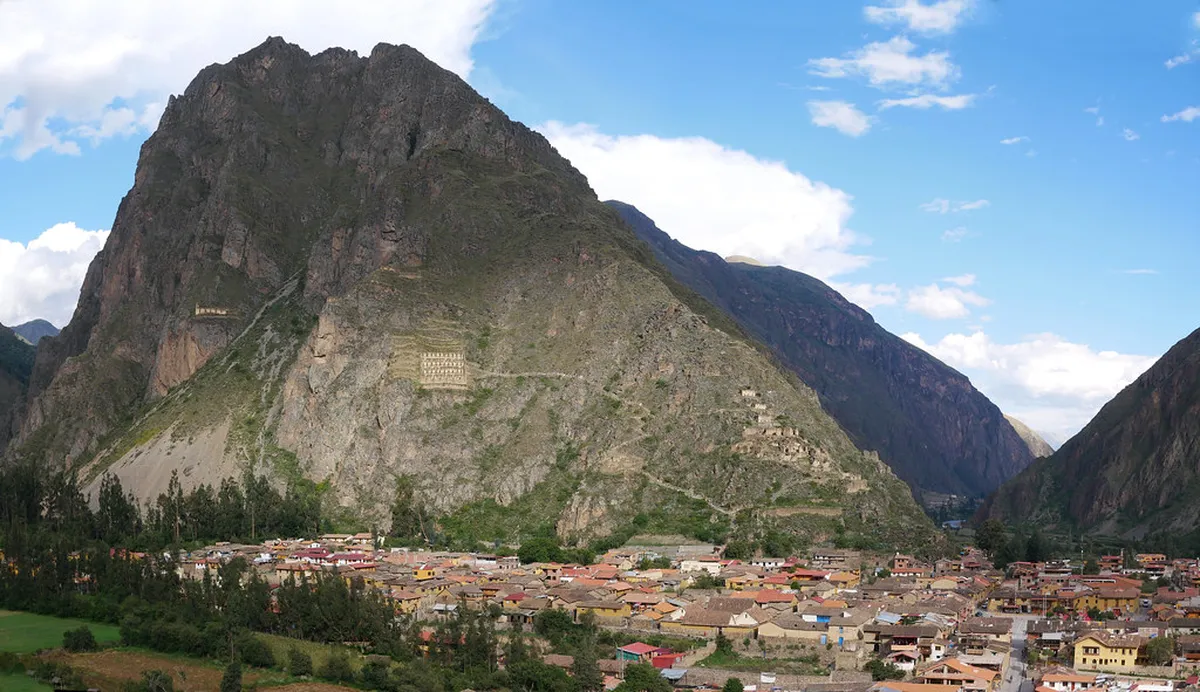
Ollantaytambo is a massive Inca fortress located in the Sacred Valley of Peru. Many travelers use this town only as a train stop for Machu Picchu. However, this ancient site deserves your full attention. This Ollantaytambo ruins visitor guide helps you navigate the steep terraces and hidden temples. You will see incredible stonework that rivals any site in South America. The town below is an amazing example of living history. Prepare for a mix of steep climbing and jaw-dropping mountain views. Most visitors find these ruins much more accessible than other remote sites. Let's explore the must-see structures and hidden gems waiting for you here.
Essential Sites in Your Ollantaytambo Ruins Visitor Guide
Exploring the main archaeological complex requires a Boleto Turistico (tourist ticket). You can purchase these at the entrance or in Cusco through COSITUC. The site is divided into several sectors including religious, military, and agricultural zones. Most visitors start by climbing the massive terraces facing the town square. These steps are steep, so take your time at this altitude. Each level offers a new perspective of the valley below. Here are the top items for your itinerary.
- Best overall: The Temple of the Sun
- Best for families: The Princess Baths
- Best viewpoint: Pinkuylluna Granaries
- Best free activity: Exploring the Living Inca Village
-
Name: The Sun Temple
Type: sight
Why go: This is the crowning jewel of the archaeological site. It features six massive pink granite monoliths. The precision of the joints is truly world-class.
Best for: History buffs and photographers.
Where: At the very top of the main terrace sector.
Time: 30 minutes inside the ruins.
Cost: Included in the tourist ticket.
Getting there: Walk up the stairs from the main gate.
Tip: Look for the T-shaped carvings between the giant stones. -
Name: Baño de la Ñusta (Princess Baths)
Type: experience
Why go: This ceremonial fountain shows the Inca mastery of water. It is a beautiful, peaceful spot located near the base. The water still flows through the ancient channels today.
Best for: Relaxation and cooling off.
Where: Lower eastern sector of the ruins.
Time: 15 minutes.
Cost: Included in ticket.
Getting there: Follow the path at the bottom of the terraces.
Tip: Do not touch the water to help preserve the stone. -
Name: Pinkuylluna Granaries
Type: viewpoint
Why go: These ancient storehouses sit high on the mountain opposite the main ruins. The hike is steep but offers the best views of the town. These ruins are separate from the main complex.
Best for: Budget travelers and hikers.
Where: Mount Pinkuylluna, across from the fortress.
Time: 1.5 to 2 hours round trip.
Cost: Free.
Getting there: The trail starts near the Living Inca Village.
Tip: Go early in the morning for the best lighting. -
Name: The Military Sector
Type: sight
Why go: This area overlooks the old road to Cusco. You can see the defensive walls and watchtowers used by the Inca. It highlights the strategic importance of this valley bottleneck.
Best for: Seeing the defensive side of Inca life.
Where: Outlying edges of the main terrace complex.
Time: 20 minutes.
Cost: Included in ticket.
Getting there: Follow the upper perimeter trails.
Tip: Wear sturdy shoes as these paths are uneven. -
Name: The Enclosure of the Ten Niches
Type: sight
Why go: These perfectly crafted niches likely held sacred objects. The stonework here is exceptionally fine and smooth. It is located near the Sun Temple in the religious zone.
Best for: Architecture enthusiasts.
Where: Near the top level of the fortress.
Time: 10 minutes.
Cost: Included in ticket.
Getting there: Reach the top plateau of the main terraces.
Tip: Place your hand near the stone to feel the smoothness. -
Name: Q'ellu Raqay
Type: experience
Why go: These are the ruins of a specialized agricultural complex. It demonstrates how the Inca managed food production for the elite. The views of the Urubamba River are excellent from here.
Best for: Seeing agricultural history.
Where: South of the main religious sector.
Time: 30 minutes.
Cost: Included in ticket.
Getting there: Walk the paths leading toward the river.
Tip: Bring a hat as there is very little shade. -
Name: The Wall of Six Monoliths
Type: sight
Why go: This is part of the unfinished Sun Temple. The stones were brought from a quarry miles away across the river. It is a mystery how they moved such heavy granite.
Best for: Great photos.
Where: Main temple platform.
Time: 15 minutes.
Cost: Included in ticket.
Getting there: Top of the main stairs.
Tip: Ask a guide to point out the "Puma" shapes. -
Name: Ancient Inca Bridge
Type: sight
Why go: This original foundation still crosses the Urubamba river. It shows how the Incas controlled traffic into the city. It is a vital piece of the ancient road network.
Best for: Seeing engineering marvels.
Where: South end of the town near the train station.
Time: 20 minutes.
Cost: Free to view from the road.
Getting there: Walk toward the river from the main square.
Tip: The bridge is a great spot to wait before your Machu Picchu train logistics plan.
Planning Your Visit to the Sacred Valley Giant
Most people arrive in town via colectivo or private van from Cusco. The journey takes about 1.5 to 2 hours through beautiful landscapes. For a deep historical dive, you can read about the Ollantaytambo District origins. This village is one of the oldest continuously inhabited places in Peru. The streets still follow the original Inca grid system. You will see ancient water channels running alongside the cobblestone paths. This makes the entire town feel like an open-air museum.
Timing is critical for a smooth visit to the main fortress. Large tour groups usually arrive around 10:00 AM and stay until 2:00 PM. If you stay overnight in town, visit precisely at opening time. This is usually 7:00 AM for the main ruins. You will have the Sun Temple almost to yourself. The afternoon light is also spectacular for photography on the mountain. After your walk, try the authentic Ollantaytambo food guide to find local snacks. Pachamanca and local trout are popular choices here.
Epic Day Trips and Hikes Near Ollantaytambo
If you have an extra day, explore the surrounding mountains. Many incredible sites are just a short walk or drive away. These locations often have very few tourists compared to the main fortress. They offer a more rugged and adventurous experience for travelers. You can find several top attractions near Ollantaytambo that satisfy any craving for nature. Always carry plenty of water and sun protection when hiking here. The sun at high altitudes is much stronger than you think.
-
Name: Pumamarca Ruins
Type: day trip
Why go: This pre-Inca site is shaped like a puma. It offers a peaceful alternative to the crowded main ruins. The hike passes through traditional farming terraces and woods.
Best for: Hikers wanting solitude.
Where: Roughly 6km north of the town.
Time: 4-5 hours total hiking time.
Cost: Small entry fee (approx 10-20 soles).
Getting there: Use our Pumamarca ruins trekking guide for directions.
Tip: Take a colectivo up and walk back down to save energy. -
Name: Inti Punku (Sun Gate)
Type: day trip
Why go: This is a massive Inca gateway at 3,900 meters altitude. It frames the sacred Mount Veronica perfectly. The views from the peak are some of the best in Peru.
Best for: Advanced hikers.
Where: High above the quarry side of the river.
Time: 6-8 hours round trip.
Cost: Free trail.
Getting there: Follow the Inti punku sun gate hike path from the river.
Tip: Start by 7:30 AM to avoid the afternoon clouds.
Frequently Asked Questions
How long do I need for the Ollantaytambo ruins?
Most visitors need 2 to 3 hours to see the main archaeological complex. This allows time to climb the terraces, visit the Sun Temple, and explore the lower fountains. If you plan to hike the Pinkuylluna granaries hiking trail across the valley, add another 2 hours.
Do I need a guide for the Ollantaytambo ruins?
While not mandatory, a local guide is highly recommended. The ruins are full of astronomical and military symbolism that is hard to notice alone. Most guides wait near the entrance. They usually charge between 60 and 100 soles for a private tour lasting 90 minutes.
Can I buy the tourist ticket at the Ollantaytambo entrance?
Yes, you can purchase the partial or full Boleto Turistico at the main gate. The partial ticket is valid for two days and covers sites in the Sacred Valley. Credit cards are often accepted, but carrying cash soles is always a safer backup plan for 2026 travel.
This Ollantaytambo ruins visitor guide highlights why this town is more than just a transit point. From the massive Sun Temple to the quiet trails of Pumamarca, there is much to discover. We recommend spending at least one night here to beat the crowds. You will enjoy the local culture and the stunning mountain sunset. Don't forget to wear layers, as the weather changes quickly. After exploring the ruins, treat yourself to a meal in the plaza. Your journey through the Sacred Valley will be much richer for it. Safe travels and enjoy the incredible Inca history!
Official resources
Use these sources for official schedules, tickets, routes, and updates.
- Peru Travel — National tourism board; unverified.
- UNESCO World Heritage Centre — International heritage authority; unverified.
- Lonely Planet — Major travel editorial; unverified.
- COSITUC — Official tourist ticket authority; unverified.
- PeruRail — Primary rail transport provider; unverified.
- Inca Rail — Major rail transport provider; unverified.