
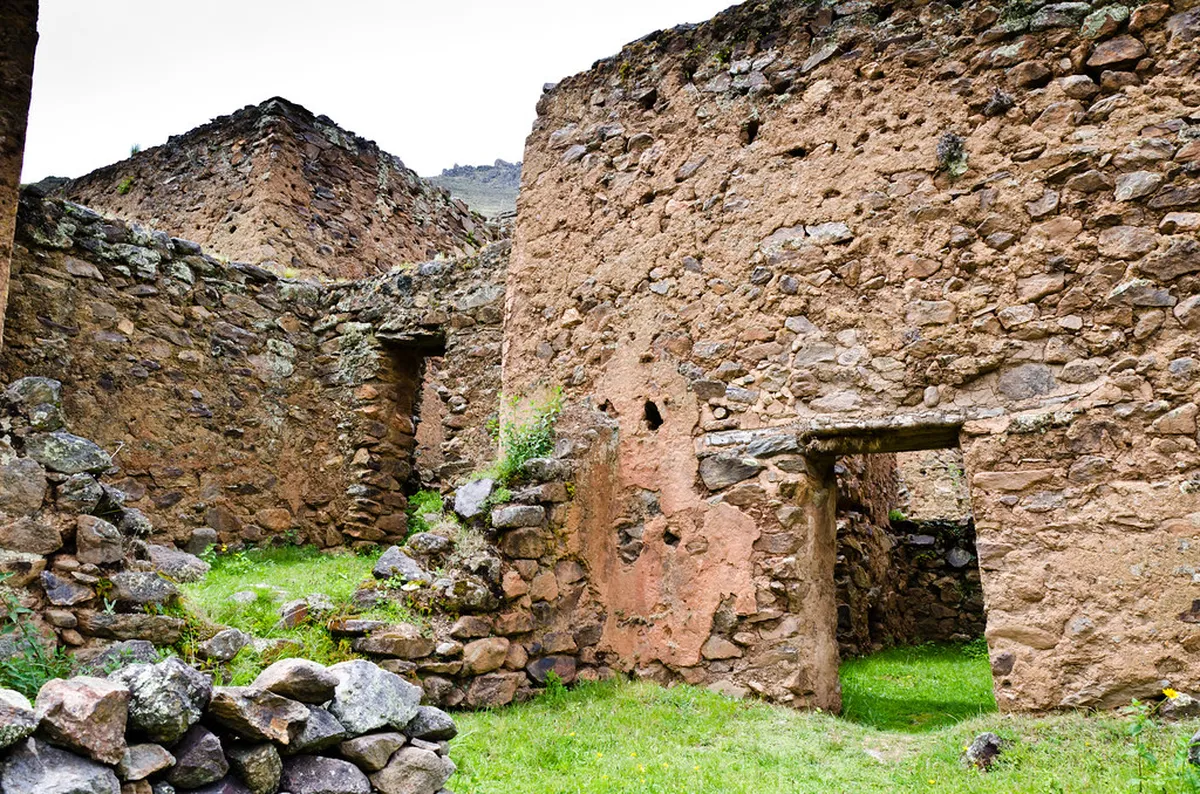
The Ultimate Pumamarca Ruins Trekking Guide for 2026
Are you looking for a quiet alternative to busy mountain trails? This Pumamarca ruins trekking guide offers everything you need to know about this hidden treasure. Located high above Ollantaytambo, these ruins provide stunning views and ancient history without the heavy crowds. Many visitors find that Pumamarca ruins are worth visiting for their unique architectural style. The trail winds through lush valleys and traditional farming communities. You will see pre-Inca structures and massive agricultural terraces along the way. This guide will help you navigate the path from the village to the fortress. Lace up your boots and get ready for a memorable journey.
Planning Your Adventure in Ollantaytambo
Ollantaytambo is the gateway to the Sacred Valley and many legendary Inca sites. This town still uses original Inca stone streets and water channels. Before you start your hike, take a moment to explore the local vibe. The town sits at a lower altitude than Cusco, helping you adjust to the thin air. You should spend at least one day here before starting any difficult treks.
Local authorities manage the area carefully to preserve its history. You can find more information about the district through the Ollantaytambo District overview online. Most trails are well-marked, but having a plan is essential for a safe day out. This guide focuses on the circular route that combines history with natural beauty. You will find that the local people are friendly and welcoming. Remember to respect the land and carry out all your trash.
The hike to Pumamarca is moderately challenging but very rewarding. You will climb several hundred meters through a series of switchbacks. The path takes you through the Patacancha Valley, where life remains very traditional. Seeing the local farmers work the land is a highlight of the trip. Make sure you bring plenty of water and sun protection for the journey.
Essential Pumamarca Ruins Trekking Guide
Using a detailed Pumamarca ruins trekking guide is the best way to see all the highlights. The route offers a mix of archaeological wonders and scenic viewpoints. Below are 12 items you should include on your itinerary for the ultimate experience in 2026.
-
Name: Pumamarca Fortress
Type: iconic sight
Why go: This is a rare example of a Wari and Inca hybrid site.
Best for: History buffs and photographers.
Where: North of Ollantaytambo city center.
Time: 1-2 hours at the site.
Cost: Small entry fee (usually around 10-20 Soles).
Getting there: Hike 3-4 hours or take a taxi to the top and walk down.
Tip: Look for the unique curved walls that differ from standard Inca styles. -
Name: Patacancha Valley
Type: nature/scenic area
Why go: It offers lush greenery and a peaceful river trail.
Best for: Families and nature lovers.
Where: Between Ollantaytambo and the ruins.
Time: 3-4 hours total.
Cost: Free to walk.
Getting there: Walk north from the Ollantaytambo plaza.
Tip: Keep an eye out for local hummingbirds along the riverbanks. -
Name: Muñaypata Neighborhood
Type: neighborhood/market
Why go: This is the starting point of the trail with authentic local architecture.
Best for: Seeing daily life.
Where: Northern edge of Ollantaytambo.
Time: 30 minutes.
Cost: Free.
Getting there: Walk from the main square.
Tip: Buy snacks and water here before the steeper part of the trail. -
Name: Muscapuquio Terraces
Type: sight
Why go: These ancient agricultural terraces show Inca engineering skills.
Best for: Understanding ancient farming.
Where: Along the lower part of the hiking path.
Time: 15-20 minutes.
Cost: Included in the hike.
Getting there: Footpath from Muñaypata.
Tip: These terraces are often used by local cattle today. -
Name: Pinkuylluna Mountain Viewpoint
Type: viewpoint
Why go: It offers the best aerial view of the Ollantaytambo grid layout.
Best for: Panoramic photos.
Where: Mountain opposite the main fortress.
Time: 1 hour.
Cost: Free.
Getting there: Steep climb from Lares Calle.
Tip: Visit late in the afternoon for the best lighting. -
Name: The Living Inca Village
Type: unique local experience
Why go: Explore the living Inca village history in the town center.
Best for: Cultural immersion.
Where: Ollantaytambo old town.
Time: 1-2 hours.
Cost: Free.
Getting there: Central plaza.
Tip: Enter the courtyards (canchas) to see how people live today. -
Name: Ollantaytambo Market
Type: market/indoor
Why go: Perfect for local food and handmade textiles.
Best for: Souvenirs and cheap lunches.
Where: Near the entrance to the main ruins.
Time: 1 hour.
Cost: Free entry.
Getting there: Walk from the plaza.
Tip: Try the fresh fruit juices for a boost of energy. -
Name: Pinkuylluna Granaries
Type: sight
Why go: See where the Incas stored their food high on the cliffs.
Best for: Adventure seekers.
Where: On the mountain overlooking the town.
Time: 2 hours.
Cost: Free.
Getting there: Follow the Pinkuylluna granaries hiking trail from town.
Tip: The trail is very steep, so wear shoes with good grip. -
Name: Choqana Watchtower
Type: sight
Why go: A small but important defensive structure near the river.
Best for: A quick stop.
Where: Beside the road to the train station.
Time: 20 minutes.
Cost: Free.
Getting there: Short walk from the bridges.
Tip: It is a great spot to watch the trains pass by. -
Name: Perolniyoc Waterfall
Type: day trip
Why go: A massive waterfall with ruins perched on top.
Best for: A full day adventure.
Where: Near the town of Socma.
Time: 6-8 hours.
Cost: Transport costs and small entry.
Getting there: Follow the guide for a Perolniyoc waterfall day trip.
Tip: Hire a driver to get to Socma to save time. -
Name: Inti Punku Sun Gate
Type: day trip
Why go: The "Gate of the Sun" offers views of Mount Veronica.
Best for: Advanced hikers.
Where: High above the Inca quarries.
Time: 7-9 hours.
Cost: Free trail.
Getting there: Follow the Inti Punku Sun Gate hike route from the Inca bridge.
Tip: Start very early to avoid the afternoon wind. -
Name: Ollantaytambo Main Ruins
Type: iconic sight
Why go: One of the most significant archaeological sites in Peru.
Best for: Everyone.
Where: West side of the town.
Time: 2-3 hours.
Cost: Part of the Cusco Tourist Ticket (Boleto Turistico).
Getting there: Consult the Ollantaytambo ruins visitor guide for entry points.
Tip: Visit at 7:00 AM to beat the tour buses from Cusco.
Logistics and Safety for 2026 Travelers
When following a Pumamarca ruins trekking guide, timing is very important. The dry season from May to September offers the clearest skies. During these months, the trails are firm and easy to walk. However, the sun can be very strong at this altitude. Always wear a hat and apply high-SPF coral-safe sunscreen frequently.
Altitude sickness affects many travelers in the Sacred Valley. Take time to acclimate by drinking coca tea or muna tea. Drink plenty of water and avoid heavy meals before your hike. If you feel dizzy or short of breath, stop and rest immediately. Most people find that a slow and steady pace is best for the Pumamarca climb.
Safety is also a priority when hiking in remote areas. Stay on the marked paths to avoid damaging ancient terraces. Check the Ollantaytambo District official site for any local travel alerts. It is helpful to tell your hotel staff where you are going. Always carry a basic first-aid kit and a fully charged phone with you.
Best Day Trips Near Ollantaytambo
If you have extra time after your Pumamarca trek, consider other nearby sites. Many travelers enjoy visiting local markets in nearby villages like Pisac. You can also explore the ancient salt pans of Maras. These sites are easily accessible by taxi or local colectivo buses. The region is a treasure trove of UNESCO World Heritage world-class sites.
For a detailed plan, use a Pumamarca ruins full itinerary to maximize your day. This helps you combine the hike with other small stops along the river. Some people choose to take a taxi to the ruins and hike only the downhill portion. This is a great choice for those with limited mobility. It also leaves more energy for exploring the town in the evening.
No matter which path you choose, the scenery will be unforgettable. The combination of mountains and history makes this area unique. You will find that every corner of Ollantaytambo has a story. Whether you choose a short walk or a long trek, the heart of the Inca Empire awaits. Enjoy your adventure in this beautiful part of the world.
Frequently Asked Questions
How long does it take to hike to Pumamarca?
The hike usually takes 3 to 4 hours to reach the ruins from Ollantaytambo. Most travelers choose to hike back down, which takes another 2 hours. If you take a taxi to the top, you can walk down in about 90 minutes. Always allow extra time for photos.
Is a guide required for the Pumamarca trek?
No, a guide is not legally required for this specific trail in 2026. The path is generally easy to follow during daylight hours. However, hiring a local guide can provide valuable historical context. They can also help with communication in local Quechua-speaking communities along the route.
What should I pack for the Pumamarca ruins trek?
Pack plenty of water, a sun hat, and sturdy hiking boots. A lightweight rain jacket is essential as weather can change quickly. Bring small change in Soles for the entry fee and snacks. Lastly, carry a portable power bank to keep your camera or phone charged for photos.
We hope this Pumamarca ruins trekking guide helps you plan an amazing trip. This trail offers a perfect blend of history, culture, and nature. By visiting Pumamarca, you escape the crowds and see a side of Peru many miss. Remember to support local vendors and respect the ancient sites. For more details on the trail, check our full trekking itinerary. Safe travels as you discover the secrets of the Sacred Valley!
Official resources
Use these sources for official schedules, tickets, routes, and updates.
- Peru Travel — National tourism board; unverified.
- UNESCO World Heritage Centre — International heritage authority; unverified.
- Lonely Planet — Major travel editorial; unverified.
- COSITUC — Official tourist ticket authority; unverified.
- PeruRail — Primary rail transport provider; unverified.
- Inca Rail — Major rail transport provider; unverified.
- SERNANP — National protected areas authority; unverified.