
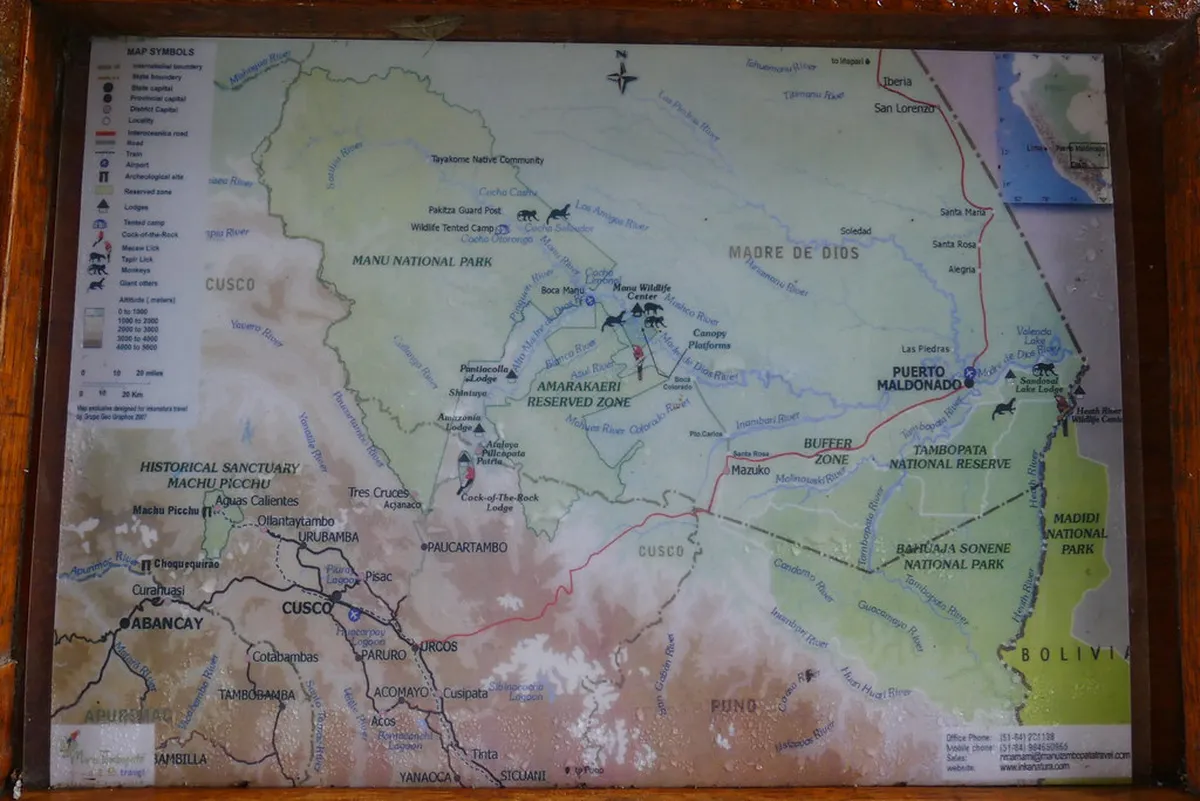
Top Tambopata National Reserve Tours in Puerto Maldonado
Puerto Maldonado is the gateway to the southern Amazon in Peru. Visitors come here to find the most diverse Tambopata National Reserve tours. This area remains one of the wildest places on earth. You can see rare birds, giant otters, and jaguars. Most trips begin with a boat ride from the city docks. These tours offer a mix of adventure and deep nature. You will learn about the complex ecosystem of the rain forest. Planning your visit requires understanding the local seasons and logistics.
Planning Your Tambopata Jungle Adventure
Travelers usually fly into Puerto Maldonado from Lima or Cusco. The city of Puerto Maldonado sits at the joining of two rivers. It is the capital of the Madre de Dios region. Most lodge packages include airport pickup and boat transport. This makes your arrival into the jungle smooth and easy.
Timing is very important for Amazon travel. The dry season runs from May to October. This is the best time for hiking and seeing wildlife. In the wet season, the forests often flood. However, the rains also bring out different bird species. You should always check the modern entry fees for Tambopata National Reserve 2026 before booking. Most tour operators include these fees in their total price.
Before you go, register your trip with the official government services of Peru. This ensures your safety in remote areas. Use a reputable tour operator for all deep jungle trips. Do not try to enter the reserve without a guide. The forest is vast and very easy to get lost in. Official guides know how to find wildlife safely for you.
12 Best Tambopata National Reserve Tours
Choosing the right tour depends on your schedule and interests. Some people want luxury lodges near the city. Others want to travel far into the deep jungle. Below are the top-rated experiences for your Amazon itinerary. Each one offers a unique view of the world's largest rain forest.
-
Name: Lake Sandoval
Type: Sight/Nature
Why go: It is home to giant river otters and black caimans.
Best for: Wildlife photography and families.
Where: 45 minutes by boat from Puerto Maldonado.
Time: Half-day or full-day.
Cost: $40 - $70 inclusive.
Getting there: Motorized boat then a short forest hike.
Tip: Go at sunrise to see the most active animals. -
Name: Chuncho Macaw Clay Lick
Type: Experience
Why go: Hundreds of colorful macaws gather to eat minerals here.
Best for: Bird watchers and nature lovers.
Where: deep inside the Tambopata Reserve.
Time: Full day or overnight trip.
Cost: $150 - $250.
Getting there: Long boat ride (3-4 hours) up the river.
Tip: Bring a pair of high-quality binoculars. -
Name: Inkaterra Canopy Walkway
Type: Activity
Why go: Walk across hanging bridges 100 feet above the ground.
Best for: Seeing the forest from the top.
Where: Private reserve near the main entrance.
Time: 2-3 hours.
Cost: $30 - $50.
Getting there: 15-minute boat ride plus a short walk.
Tip: Wear closed-toe shoes with good grip. -
Name: Monkey Island (Isla de los Monos)
Type: Wildlife
Why go: See several local species of monkeys in one place.
Best for: Families with children.
Where: Middle of the Madre de Dios River.
Time: 2 hours.
Cost: Usually included in multi-day tours.
Getting there: Quick boat ride from city lodges.
Tip: Keep your bags closed because monkeys are curious. -
Name: El Obelisco (The Obelisk)
Type: Viewpoint/City
Why go: Get a panoramic view of the city and rivers.
Best for: Budget travelers and sunset views.
Where: Downtown Puerto Maldonado.
Time: 30 minutes.
Cost: Under $2.
Getting there: Walk or take a motor-taxi from your hotel.
Tip: Visit just before dusk for the best light. -
Name: Ese Eja Native Community
Type: Cultural Experience
Why go: Learn about traditional medicine and jungle customs.
Best for: Cultural enthusiasts.
Where: Infierno region.
Time: Full day.
Cost: $60 - $90.
Getting there: Road and boat combination from the city.
Tip: Buy local handicrafts directly from the families. -
Name: Puerto Maldonado Central Market
Type: Market/Local Life
Why go: Try exotic fruits like aguaje and cocona.
Best for: Foodies wanting local flavors.
Where: Near the city center.
Time: 1-2 hours.
Cost: Free to enter.
Getting there: Short motor-taxi ride.
Tip: Visit in the morning for the freshest produce. -
Name: Taricaya Ecological Reserve
Type: Conservation
Why go: See a wildlife rescue center and research forest.
Best for: Sustainable travelers.
Where: One hour boat ride from town.
Time: Half-day.
Cost: $40 - $60.
Getting there: Boat down the Madre de Dios River.
Tip: Ask about their jaguar release program. -
Name: Amazon Night Walk
Type: Activity
Why go: Discover spiders, frogs, and nocturnal mammals.
Best for: Brave travelers and macro photographers.
Where: Most jungle lodges.
Time: 1.5 - 2 hours.
Cost: Included in lodge stays.
Getting there: Starts at your lodge doorstep.
Tip: Use a headlamp to keep your hands free. -
Name: Tambopata Research Center
Type: Scientific/Deep Jungle
Why go: Stay at one of the most remote lodges.
Best for: Deep immersion in nature.
Where: Remote border of the reserve.
Time: 4 - 5 days recommended.
Cost: $1,000+ for full packages.
Getting there: Long boat journey (7 hours).
Tip: Book months in advance for 2026 dates. -
Name: Inkaterra Butterfly House
Type: Indoor/Nature
Why go: See dozens of local butterfly species up close.
Best for: Rainy day activity near the airport.
Where: Near the Puerto Maldonado airport.
Time: 1 hour.
Cost: About $10.
Getting there: 5-minute taxi from the airport.
Tip: Great first or last stop on your trip. -
Name: Colorado Macaw Clay Lick
Type: Day Trip
Why go: One of the world's largest clay licks.
Best for: Travelers with extra time.
Where: Deep inside the National Reserve.
Time: 1-2 days.
Cost: Usually part of an overnight tour.
Getting there: Upstream by boat from Chuncho.
Tip: Wear neutral colors to blend into the trees.
Expert Tips for Amazon River Tours
Packing the right gear is vital for your comfort. The humidity in the Amazon is very high. Wear long-sleeved clothes to protect against insects. Synthetic fabrics dry much faster than cotton. You will also need a light raincoat for sudden storms. Most Amazon journeys require sturdy waterproof boots.
Respect the wildlife during your excursions. Never feed the animals or make loud noises. Quiet travelers see the most wildlife in Tambopata. Always follow your guide's instructions during night walks. They know which plants and insects are safe. Staying on the marked trails protects the forest floor.
Drinking water must be purified or bottled. Most lodges provide filtered water for their guests. It is smart to carry a reusable water bottle. Use reef-safe sunscreen if you plan to swim. Mosquito repellent with DEET is highly recommended for everyone. These simple steps ensure your health throughout the tour.
Frequently Asked Questions
How long should I spend on Tambopata National Reserve tours?
You should plan for 3 to 4 days. This gives you time to reach deep jungle spots like clay licks. Short trips only allow for activities near the city. A longer stay increases your chances of seeing big animals like jaguars.
Is it safe to visit Puerto Maldonado alone?
Yes, Puerto Maldonado is generally safe for tourists. However, you should use official taxis and booked tours. Do not wander into the forest without a guide. The city is easy to navigate by motor-taxi during the day and early evening.
Do I need a yellow fever vaccine for Tambopata?
Yes, health authorities often recommend the yellow fever vaccine. You should get it at least ten days before you arrive. Check with your doctor about other tropical medicines. Being prepared helps you enjoy the jungle without health worries.
Tambopata National Reserve offers an unforgettable look at the Amazon. From the giant otters of Lake Sandoval to the colorful macaws, the wildlife is amazing. Puerto Maldonado makes these adventures easy to reach. Remember to book your tours early for the best experience. For more ideas on what to do, see our list of top attractions near Puerto Maldonado. Start planning your 2026 jungle trip today!
Official resources
Use these sources for official schedules, tickets, routes, and updates.
- Peru Travel — Official national tourism board. (unverified)
- UNESCO World Heritage Centre — Manu National Park World Heritage listing. (unverified)
- Lonely Planet — Leading travel editorial source. (unverified)
- Aeropuertos del Perú — Official airport operator. (unverified)
- Britannica — High-authority encyclopedia. (unverified)
- Mapcarta — Geographic and mapping authority. (unverified)