
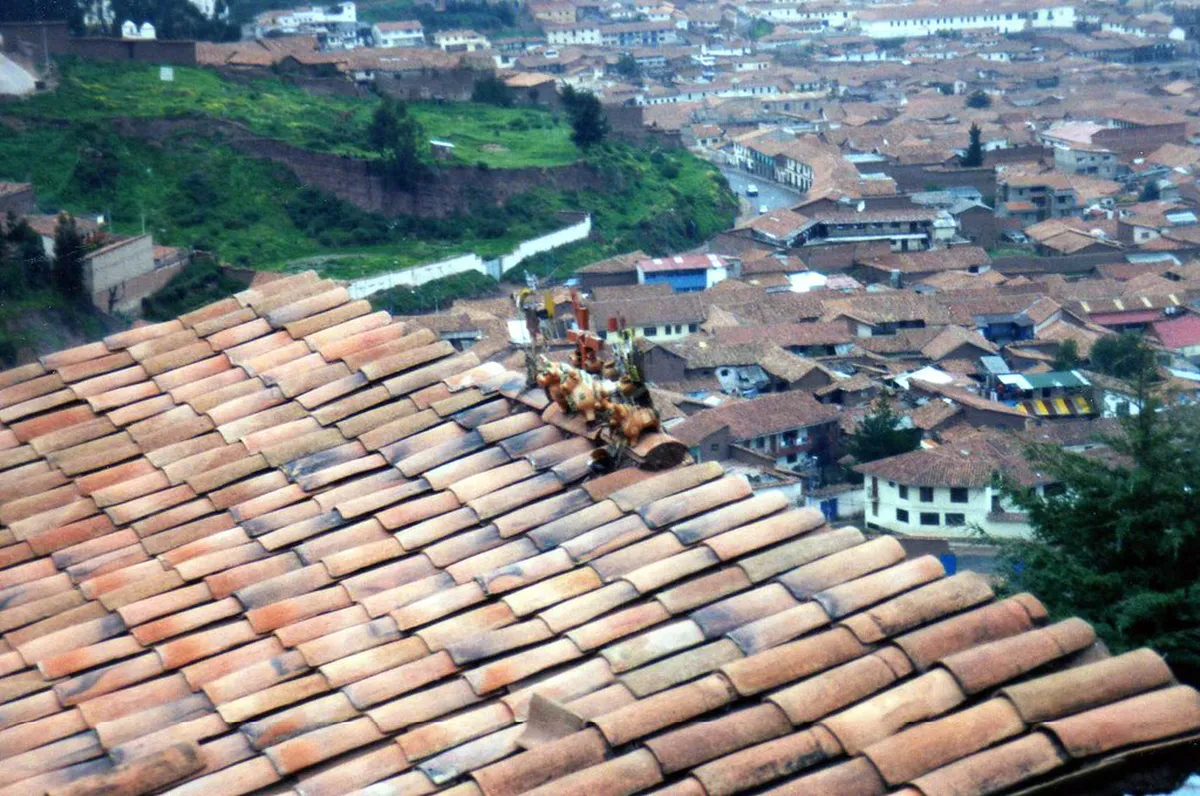
Why are Pucara Bulls on Peru Roofs and Where to See Them
When you travel through the Peruvian highlands, you will see ceramic cattle everywhere. You might wonder, why are Pucara bulls on Peru roofs? These figures, known as Toritos de Pucará, represent protection, prosperity, and fertility. Usually placed in pairs, they guard the families living beneath them. Most visitors find them fascinating during Pucara archaeological site visits in the Puno region. Understanding this tradition adds deep meaning to your trip to the Andes.
The Symbolic Meaning of the Ceramic Bulls
To plan your trip, review Lonely Planet Puno Guide.
For current hours, prices, and announcements, start with Qhapaq Ñan, Andean Road System.
Standard Peruvian homes often feature two bulls and a cross. This combination shows a blend of ancient Andean beliefs and Spanish tradition. The bulls symbolize strength and agricultural wealth for the household. Ancient locals used llamas for these rituals before cattle arrived in South America. Today, the bull remains the favored icon for luck.Pairs are vital because they represent dualism. This is the Andean concept of "Yanantin," or balance between opposites. You will notice different colors on the bulls as well. Red usually means protection, while white signifies purity and peace. Many families even place small bottles of water or grain between the bulls.
If you want to understand the history, visit the History of Pucara Lithic Museum in Puno area. It showcases how these traditions evolved over thousands of years. The craft is deeply tied to the town of Pucará, located north of Lake Titicaca. This small village is the official home of the ceramic tradition.
9 Must-See Pucara Themed Experiences
Seeing these bulls is easy, but finding the authentic ones requires a plan. These nine spots offer the best insight into the culture in 2026. Use this list to find the best viewpoints and workshops for your journey.
Quick picks:
- Best overall: Pucará Town
- Best for families: Pucará Lithic Museum
- Best for photos: Plaza de Armas Puno
- Best for shopping: Jr. Lima Craft Markets
-
Name: Pucará Town
Type: Village
Why go: This is the birthplace of the ceramic bull tradition. You will see massive bull statues at the entrance.
Best for: Authentic culture
Where: 60 miles north of Puno
Time: 2-3 hours
Cost: Free to walk around
Getting there: Public bus or private car from Puno
Tip: Visit the local workshops behind the main square. -
Name: Pucará Lithic Museum
Type: Museum
Why go: It houses impressive stone carvings from the pre-Inca Pucará culture. It explains the origin of local symbols.
Best for: History buffs
Where: Main Square, Pucará
Time: 1 hour
Cost: Small entry fee (~$3 USD)
Getting there: Included in most Pucará tours
Tip: Look for the "Stela of the Lightning" carving. -
Name: Kalasaya Archaeological Site
Type: Sight/Ancient ruins
Why go: These ancient pyramids show the roots of high-altitude agriculture and ritual. It is the foundation of the local identity.
Best for: Ancient history
Where: Edge of Pucará town
Time: 1-2 hours
Cost: Usually included in museum ticket
Getting there: Walking distance from Pucará square
Tip: Wear a hat as there is very little shade here. -
Name: Jirón Lima
Type: Market/Street
Why go: This is Puno's main pedestrian street lined with shops. It is the best place to buy your own Torito de Pucará.
Best for: Shopping
Where: Downtown Puno
Time: 1 hour
Cost: Free entry
Getting there: Walking distance from most Puno hotels
Tip: Ask the shopkeeper about the meaning of different colors. -
Name: Sillustani Burial Towers
Type: Day trip
Why go: While not specifically about bulls, it shows the architectural mastery of the region. It is a vital part of top attractions near Puno.
Best for: Views
Where: Near Lake Umayo
Time: 3 hours
Cost: ~$5 USD entry
Getting there: 45-minute drive from Puno
Tip: Visit at sunset for incredible golden hour photography. -
Name: Lampa (The Pink City)
Type: Experience/Day trip
Why go: Lampa is famous for its pink-colored buildings and colonial church. It has a very high density of bulls on its historic roofs.
Best for: Architecture
Where: 1.5 hours from Puno
Time: Half-day trip
Cost: Free to explore
Getting there: Best reached by private driver
Tip: See the replica of Michelangelo's Pietà in the central church. -
Name: Puno Cathedral
Type: Sight/Church
Why go: It displays the Spanish side of the syncretism that created the bull tradition. Look for native symbols carved into the stone facade.
Best for: Art lovers
Where: Plaza de Armas, Puno
Time: 30 minutes
Cost: Free (donations welcome)
Getting there: Heart of the city
Tip: Visit during the morning when the light hits the carvings. -
Name: Mercado Central Puno
Type: Market
Why go: See where locals buy ritual items for their homes. You will find bulls sold next to traditional medicines.
Best for: Local life
Where: Near the train station
Time: 1 hour
Cost: Free entry
Getting there: Walking distance in Puno
Tip: Be mindful of your belongings in crowded areas. -
Name: Taquile Island
Type: Experience
Why go: Famous for textiles, this island also honors ancient traditions. You can learn how islanders view protection symbols.
Best for: Nature
Where: Lake Titicaca
Time: Full-day trip
Cost: ~$20-40 USD with Lake Titicaca boat tours
Getting there: Boat from Puno port
Tip: Be prepared for a steep hike when landing on the island.
Frequently Asked Questions
What happens if a Pucara bull on a roof breaks?
When a ceramic bull breaks, it is viewed as a sign of transition or bad luck. Families usually replace them immediately to restore protection. The broken pieces are often buried near the home to honor the spirit of the earth, ensuring the house remains blessed.
Can I buy a Torito de Pucará to take home?
Yes, you can buy these bulls in various sizes and colors. Most shops in Puno or Pucará sell them. Ensure you wrap them in plenty of bubble wrap. Small versions are perfect for shelves, while larger ones are meant for garden gates or rooftops.
What do the different colors of Pucara bulls mean?
Colors change the bull's primary blessing. Red offers protection against envy. Yellow brings money and economic success. White represents peace in the home. Green is for health and prosperity. Many people choose a color based on their family's current needs or wishes for the new year.
Now you know why are Pucara bulls on Peru roofs and where to find the best examples. These charming figures offer a window into the soul of the Andes. Whether you visit Pucará or explore the streets of Puno, you will see a living heritage. To make the most of your trip, consider booking Sillustani burial towers guide for a deeper archaeological context. These bulls are not just souvenirs; they are symbols of hope and history that keep the Peruvian spirit alive.
Official resources
Use these sources for official schedules, tickets, routes, and updates.
- Peru Travel — unverified: National tourism board of Peru.
- Municipalidad de Puno — unverified: Official city government website.
- Gobierno Regional de Puno — unverified: Regional government authority for Puno.
- UNESCO World Heritage Centre — unverified: International heritage authority for Qhapaq Ñan.
- Lonely Planet — unverified: Leading international travel guide.