
Comparing Huaca del Sol versus Huaca de la Luna in Trujillo
When visiting Trujillo, comparing Huaca del Sol versus Huaca de la Luna is essential for history buffs. These two massive adobe pyramids define the ancient Moche civilization. One served as a bustling administrative hub while the other held deep spiritual secrets. Many travelers find that Huacas del Sol Luna tours offer the best look at pre-Inca life. Exploring these structures allows you to witness incredible art and grim ritual history. This guide helps you navigate the differences between these iconic Peruvian landmarks.
Comparing Huaca del Sol versus Huaca de la Luna
When looking at these ruins, the size difference is striking. Huaca del Sol was once the largest adobe structure in the Americas. It functioned as an administrative capital and royal residence. Unfortunately, Spanish colonists diverted a river to erode the structure while searching for gold. Today, visitors can mostly admire its massive exterior from a distance.
The religious counterpart is Huaca de la Luna. It is significantly smaller but far better preserved. This temple served as the primary site for sacrifices and religious ceremonies. Excavations have revealed stunning layers of intact murals. These colorful walls depict the Ai Apaec deity in vivid detail. Most best guided tours for Huaca de la Luna focus on these interior galleries.
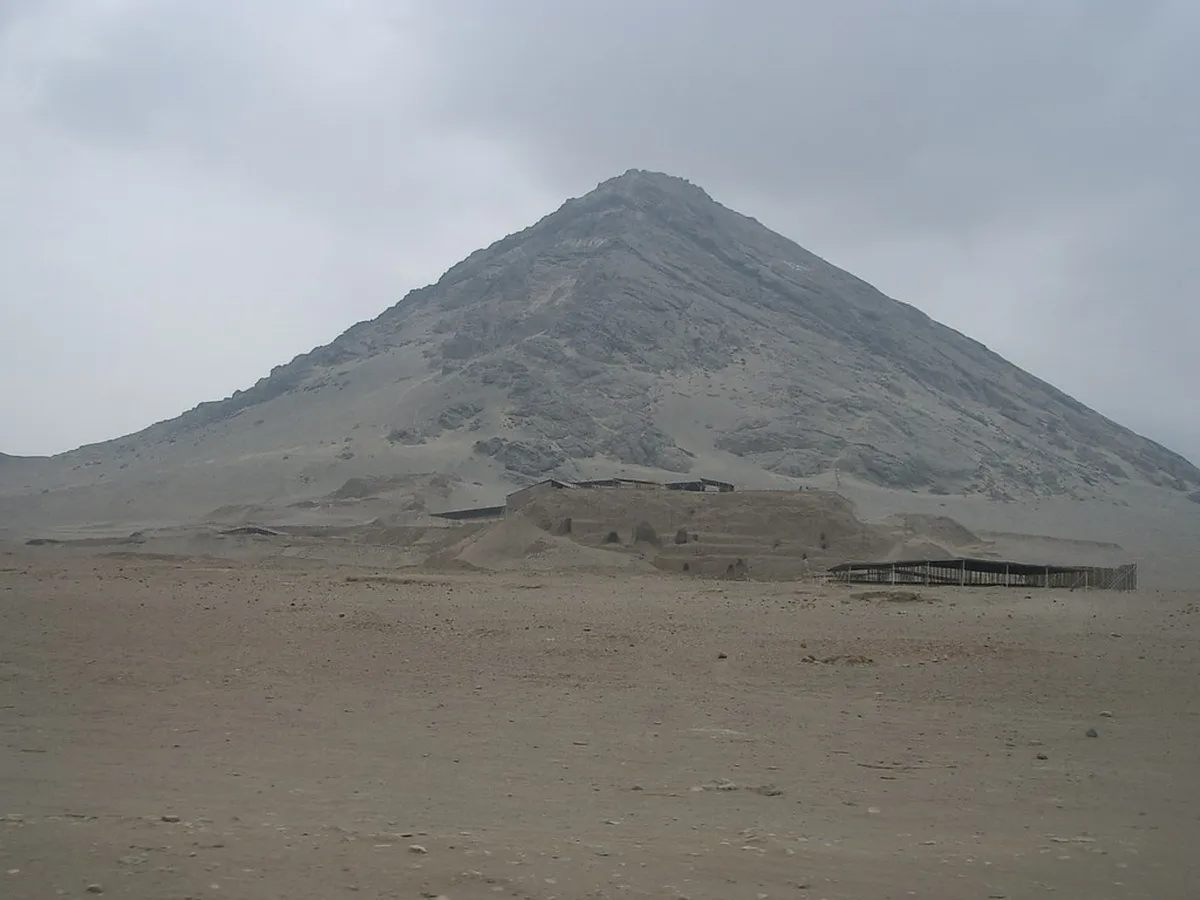
Understanding the dual nature of these sites is key to Moche history. One represents the power of the state, while the other shows the power of the gods. You should plan to visit both to see the full cultural picture. The site’s location at the foot of Cerro Blanco adds a dramatic backdrop. Prepare for a mix of architectural scale and intricate artistic detail.
10 Highlights of Huacas del Sol Luna Tours
To make the most of your trip, consider these top points of interest. This list includes the pyramids and nearby highlights for a complete itinerary. Use these quick picks to prioritize your time in Trujillo.
- Best overall: Huaca de la Luna Murals
- Best for families: Museo Huacas de Moche
- Best rainy-day: Site Museum galleries
- Best free: Views of Huaca del Sol from the road
-
Name: Polychrome Murals
Type: sight
Why go: These are the best-preserved ancient murals in Peru.
Best for: Art lovers and photographers.
Where: Inside Huaca de la Luna.
Time: 45 minutes.
Cost: Included in site entry.
Getting there: Walk with a guide through the temple levels.
Tip: Look for the "Decapitator" deity imagery on the lower tiers. -
Name: Huaca del Sol Exterior
Type: sight
Why go: Admire the sheer scale of millions of adobe bricks.
Best for: Architecture enthusiasts.
Where: Opposite the Moon temple.
Time: 20 minutes.
Cost: Free to view from outside.
Getting there: Short walk from the museum.
Tip: Visit at sunset for the best lighting on the bricks. -
Name: Museo Huacas de Moche
Type: museum
Why go: It houses incredible ceramics and gold artifacts found on-site.
Best for: Historical context before the hike.
Where: Entrance of the complex.
Time: 1 hour.
Cost: Usually around 5-10 USD.
Getting there: All tours start here.
Tip: The "fine-line" pottery here is world-famous. -
Name: The Sacrificial Altar
Type: experience
Why go: See the actual location where ritual sacrifices occurred.
Best for: Dark history enthusiasts.
Where: Rear of Huaca de la Luna.
Time: 15 minutes.
Cost: Included in tour.
Getting there: Part of the standard visitor circuit.
Tip: Ask your guide about the seasonal weather rituals. -
Name: Cerro Blanco
Type: nature
Why go: This sacred mountain towers over the pyramids.
Best for: High-altitude views.
Where: Directly behind the ruins.
Time: 2 hours (to hike).
Cost: Free.
Getting there: Follow the path from the temples.
Tip: Wear sturdy shoes as the sand is very loose. -
Name: Chan Chan Ruins
Type: day trip
Why go: Explore the largest mud city in the world.
Best for: Completing the Trujillo history circuit.
Where: North side of Trujillo.
Time: 3-4 hours.
Cost: Moderate entry fee.
Getting there: Use a Chan Chan ruins guide Trujillo for transport.
Tip: Buy the Boleto Turistico to save on multiple site fees. -
Name: Huanchaco Beach
Type: experience
Why go: See traditional reed boats and relax by the ocean.
Best for: Post-tour relaxation.
Where: 20 minutes from Trujillo.
Time: Half-day.
Cost: Free beach access.
Getting there: Check Huanchaco beach activities Trujillo for local buses.
Tip: Try the fresh ceviche at a beachfront stall. -
Name: Plaza de Armas
Type: neighborhood
Why go: The colorful colonial architecture is stunning.
Best for: City walks and dining.
Where: Central Trujillo.
Time: 1-2 hours.
Cost: Free.
Getting there: Most hotels are within walking distance.
Tip: Visit the Cathedral for its impressive wood carvings. -
Name: Huaca la Esmeralda
Type: sight
Why go: A small Chimu temple within the city.
Best for: Quick archaeology stops.
Where: Mansiche neighborhood.
Time: 30 minutes.
Cost: Part of the Chan Chan ticket.
Getting there: Taxi from the center.
Tip: It is usually very quiet and great for photos. -
Name: Huaca Arco Iris
Type: sight
Why go: Known as the Dragon Temple for its unique reliefs.
Best for: Seeing Chimu mythology.
Where: La Esperanza district.
Time: 45 minutes.
Cost: Part of the combined ticket.
Getting there: 15-minute drive from the main square.
Tip: The high walls provide great shade in the afternoon.
Maximize Your Visit to the Pyramids
When planning your trip, timing is everything. The Moche Valley can get very hot by midday. Most travelers prefer to visit the ruins early in the morning. This allows you to avoid the strongest sun. Official details can be found on the Huaca de la Luna official site regarding hours. Always bring plenty of water and a hat.
Hiring a certified guide is highly recommended. The intricacies of the murals are lost without expert explanation. According to Huaca de la Luna (Wikipedia), the site has several construction phases. A guide will show you how layers were added over time. This makes the architectural evolution much easier to understand. Most guides speak both Spanish and English.
The complex is a protected heritage zone. Respect all barriers and do not touch the ancient adobe. Many of these structures are fragile and ongoing excavations continue. Visitors should follow the marked paths at all times. This ensures the site remains preserved for future generations. Check the UNESCO World Heritage Centre for more on Peruvian preservation efforts.
Frequently Asked Questions
Which is better to visit, Huaca del Sol or Huaca de la Luna?
Huaca de la Luna is better for visitors because it is open for interior tours. It features remarkably preserved colorful murals and sacrificial areas. Huaca del Sol is larger but currently closed to the public. You can only view its massive exterior from the outside archaeological paths.
How much time is needed for the Huacas del Moche tour?
You should allow approximately 2 to 3 hours for the full complex. This includes time for the Museo Huacas de Moche and the guided tour of Huaca de la Luna. If you plan to hike nearby hills, add an extra hour to your schedule.
Can you enter Huaca del Sol?
No, travelers cannot currently enter the interior of Huaca del Sol. It is undergoing conservation due to heavy erosion from past centuries. Visitors spend their time exploring the fully accessible galleries and ritual platforms within the neighboring Huaca de la Luna instead.
Comparing Huaca del Sol versus Huaca de la Luna reveals the complexity of the Moche people. While the Sun Pyramid impresses with its size, the Moon Pyramid enchants with its art. Visit both to appreciate the administrative and spiritual heart of this desert civilization. Don't forget to combine your visit with local Trujillo food and the nearby coast. For more planning tips, check out our guide to Huacas del Sol Luna tours today.
Official resources
Use these sources for official schedules, tickets, routes, and updates.
- Peru Travel — Official national tourism board; unverified source.
- UNESCO World Heritage Centre — International heritage authority; unverified source.
- Lonely Planet — Leading travel editorial; unverified source.
- Aeropuertos del Perú — Airport infrastructure authority; unverified source.
- Universidad Nacional de Trujillo — Major public university and museum operator; unverified source.
- SERNANP — National protected areas authority; unverified source.