
Complete Guide to the Museo de Arqueología de Trujillo
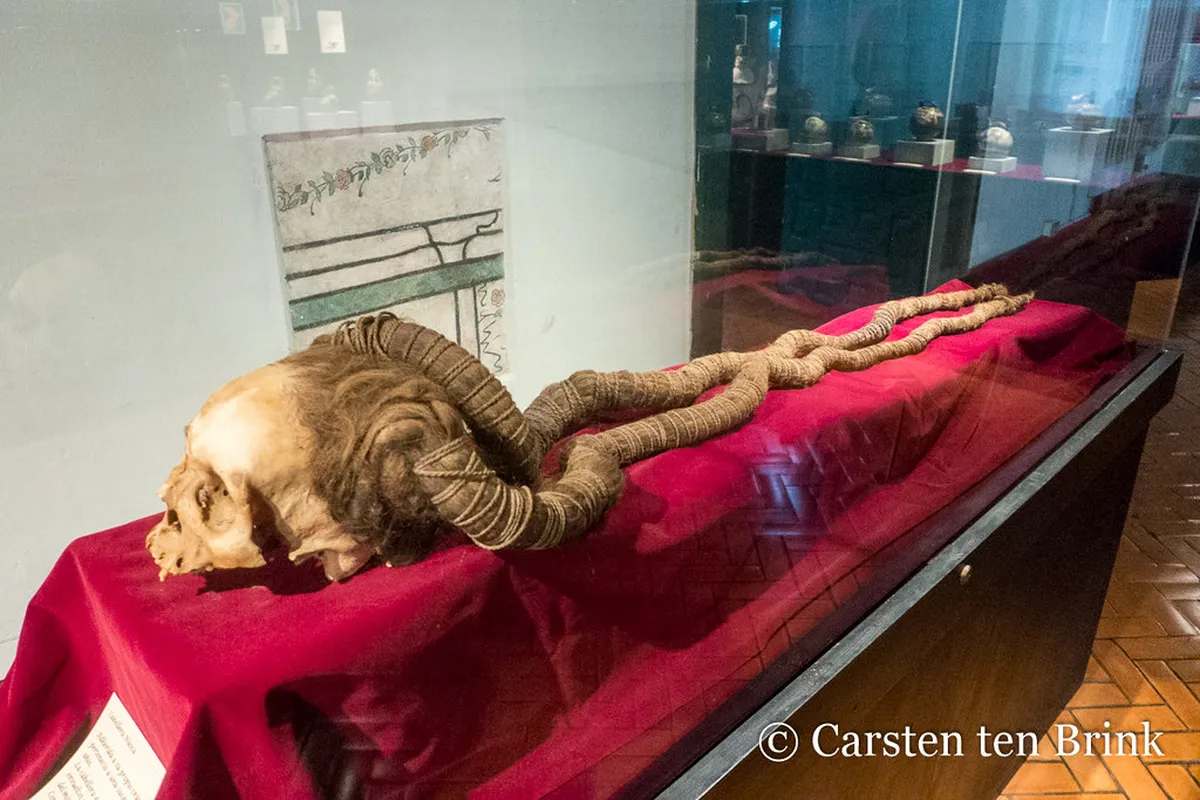
Are you looking for the best historical sites in northern Peru? This guide to the Museo de Arqueologia de Trujillo will show you exactly what to expect. Located in a stunning colonial mansion, this museum spans thousands of years of human history. You will see artifacts from many cultures, including the famous Moche and Chimu people. It is the perfect starting point before you explore the massive ruins nearby.
The museum belongs to the local university and offers a deep look into the desert civilizations. It is one of the best museums in Trujillo Peru for history buffs. Walking through the quiet rooms allows you to see pre-Columbian art up close. Most visitors find that the well-labeled displays clarify the complex timeline of Peruvian coastal history. Make sure to allow at least two hours for your visit.
Highlights of the Museo de Arqueología de Trujillo
This museum is not just about the objects inside. The colonial architecture of the house itself is a sight to see. Here are some of the best quick picks for your visit:
- Best overall: Moche ceramic hall.
- Best for families: The central courtyard.
- Best rainy-day: The textiles room.
- Best free-nearby: Plaza de Armas.
The collection follows a chronological order that is very easy to navigate. Each room focuses on a specific era or civilization. You will see everything from tiny gold beads to massive ceramic jars. The site is rarely crowded, making it a peaceful escape from the busy downtown streets of Trujillo. Use the list below to find the must-see items and nearby locations.
-
Name: Casa Ricketts (Museum Building)
Type: sight
Why go: It is a perfectly preserved colonial mansion with high ceilings and bright courtyards.
Best for: Architecture lovers.
Where: Jirón Junín 682.
Time: 20 minutes.
Cost: Included in entry.
Getting there: Walk two blocks from the main square.
Tip: Look up to see the ornate wood-carved balconies. -
Name: Cupisnique Ceramic Collection
Type: experience
Why go: These are some of the oldest artifacts in the museum, dating back to 1000 BC.
Best for: Ancient history fans.
Where: First exhibition room.
Time: 15 minutes.
Cost: Museum fee (~10 Soles).
Getting there: Follow the path from the entrance.
Tip: Notice the distinct feline motifs that represent their gods. -
Name: Salinar Jewelry Exhibit
Type: sight
Why go: Witness the early transition of metalworking skills in northern Peru.
Best for: Art students.
Where: Metallurgy room.
Time: 10 minutes.
Cost: Included in entry.
Getting there: Located in the second corridor.
Tip: These items show how early people used copper and gold together. -
Name: Moche Portrait Vessels
Type: experience
Why go: These ceramics show incredibly realistic human faces of ancient leaders.
Best for: Photographers and art lovers.
Where: Moche Culture Hall.
Time: 20 minutes.
Cost: Included in ticket.
Getting there: Central section of the house.
Tip: The expressions on the faces are unique to each vessel. -
Name: Nazca and Huari Textiles
Type: sight
Why go: See how ancient weavers kept colors bright for over a thousand years.
Best for: Fashion and design fans.
Where: Textile Gallery.
Time: 15 minutes.
Cost: Included.
Getting there: Follow signs to the climate-controlled rooms.
Tip: The low lighting is there to protect the delicate fibers. -
Name: Chimu Wood Sculptures
Type: sight
Why go: These life-sized wooden figures guarded the cities of the Chimu kings.
Best for: Fans of sculpture.
Where: Late Intermediate Period room.
Time: 10 minutes.
Cost: Included.
Getting there: Near the back of the museum.
Tip: These are similar to those found at Chan Chan ruins nearby. -
Name: Inca Provincial Pottery
Type: experience
Why go: Understand how the Inca Empire influenced local coastal styles.
Best for: Getting a complete view of Peru's history.
Where: Final exhibition room.
Time: 15 minutes.
Cost: Included.
Getting there: Located near the exit.
Tip: Look for the "Aryballos" jars with pointed bases. -
Name: Huacas del Sol y de la Luna
Type: day trip
Why go: These massive mud-brick pyramids were the religious center for the Moche.
Best for: Adventurers.
Where: 15 minutes southeast of the city.
Time: 3 hours.
Cost: Separate entry fee (~15 Soles).
Getting there: Take a taxi or a tour of the Huacas del Sol and Luna.
Tip: Go early in the morning to avoid the strong sun. -
Name: Plaza de Armas of Trujillo
Type: sight
Why go: It is the vibrant primary square surrounded by colorful colonial buildings.
Best for: Relaxing and people-watching.
Where: Center of Trujillo.
Time: 30 minutes.
Cost: Free.
Getting there: Five-minute walk from the museum.
Tip: Visit at night to see the Freedom Monument illuminated.
Managing Your Museum Visit in Trujillo
When planning your trip, remember that most museums in town have specific hours. The Museo de Arqueologia usually opens from 9:00 AM to 5:00 PM. It often closes for a lunch break on certain days. It is wise to check with the Universidad Nacional de Trujillo for any holiday closures. This will save you a wasted trip to the door.
We recommend starting your day at this museum. It gives you the context needed to enjoy other top attractions near Trujillo later. The information boards are mostly in Spanish, so a translation app is helpful. You can also hire a local guide at the entrance for more detail. They usually work for tips and offer great stories about the ancestors.
Security is good inside the museum, and the area is safe during the day. However, always stay aware of your bags in the crowded streets nearby. If you have extra time, walk to the nearby church of Santo Domingo. Trujillo is a walkable city if you stay within the historic center. Following these simple steps ensures a great experience in the city of eternal spring.
Frequently Asked Questions
What is the entry fee for the Museo de Arqueología de Trujillo?
The typical entry fee for adults is about 10 Peruvian Soles, though this can change. Students with valid identification often receive a discount. It is best to bring cash in local currency, as many small museums do not accept digital payments or credit cards.
Is the museum accessible for people with mobility issues?
The museum is located in a colonial house with mostly flat ground-floor galleries. However, some thresholds are uneven, and there are no modern elevators if a second floor is open. Most of the main collection is reachable, but visitors with wheelchairs may need some assistance.
Can I take photos inside the museum exhibits?
Photography is generally allowed, but you must keep the flash turned off. This protects the ancient pigments on the pottery and textiles from damage. Some specific rooms with very delicate items may have signs that prohibit all photography. Always follow the museum staff's instructions.
A visit to the Museo de Arqueologia de Trujillo is essential for anyone visiting northern Peru. It transforms your understanding of the desert ruins from simple mud walls into vibrant stories. From the scary Moche warriors to the elegant Chimu craftsmen, the history here is deep. Use this guide to plan your morning before heading out to the pyramids. For more ideas on what to see, check out our list of other cultural sites in the region. Enjoy your journey back in time through the heart of Trujillo.
Official resources
Use these sources for official schedules, tickets, routes, and updates.
- Peru Travel — Official national tourism board; unverified source.
- UNESCO World Heritage Centre — International heritage authority; unverified source.
- Lonely Planet — Leading travel editorial; unverified source.
- Aeropuertos del Perú — Airport infrastructure authority; unverified source.
- Universidad Nacional de Trujillo — Major public university and museum operator; unverified source.
- SERNANP — National protected areas authority; unverified source.