
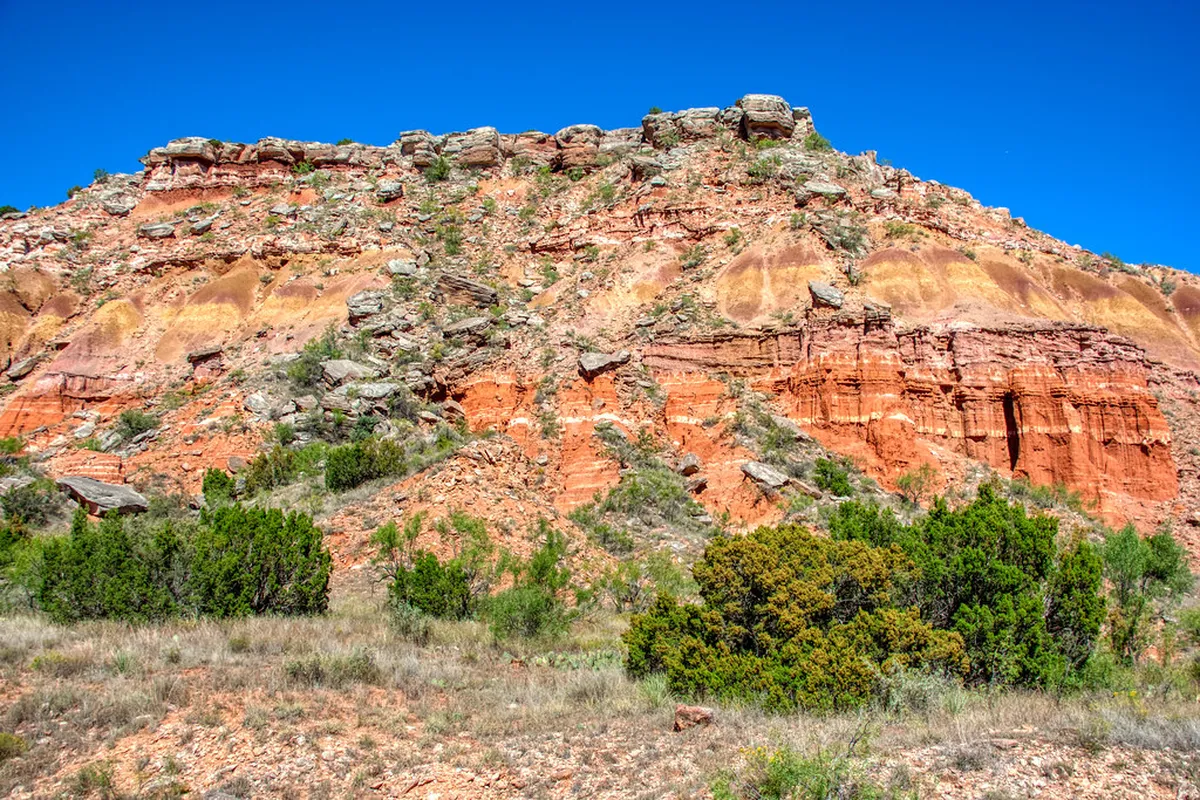
Explore the Best Trujillo Hiking Trails Nearby for 2026
Trujillo is famous for its history and colonial charm. However, the desert landscape holds many hidden gems for hikers. Searching for Trujillo hiking trails nearby reveals dusty peaks and coastal paths. You can find everything from foggy hills to ancient mud-brick ruins. This guide helps you navigate the rugged terrain surrounding the City of Everlasting Spring. Whether you want a steep climb or a flat beach walk, you will find it here.
Top Trujillo Hiking Trails Nearby and Scenic Walks
Hiking in the desert requires specific planning. Trujillo offers unique ecosystems that change with the seasons. Some trails lead to high peaks with ocean views. Others wind through ancient archaeological sites that define this region. Check out these top picks for your next outdoor excursion.
- Best overall trail: Cerro Campana
- Best for history lovers: Chan Chan Coastal Path
- Best for families: Huanchaco Shoreline
- Best for hidden views: Cerro Blanco
-
Name: Cerro Campana
Type: Nature/Mountain
Why go: It is the most iconic natural monument in the region. The mist creates a unique ecosystem of flowers and wildlife.
Best for: Nature photography and physical challenges.
Where: North of Trujillo city.
Time: 4–5 hours.
Cost: Free or small guide fee.
Getting there: Take a taxi or private car toward Chiclayo.
Tip: Visit between August and October to see the seasonal greenery known as "Lomas." -
Name: Cerro Blanco
Type: Desert/Adventure
Why go: This massive white sand hill sits right next to the Huacas del Sol y Luna. It offers incredible views of the Moche Valley.
Best for: Sandboarding and steep desert trekking.
Where: Moche District.
Time: 2–3 hours.
Cost: Generally free.
Getting there: Take a local bus to Moche or a short taxi ride.
Tip: Start very early to avoid the intense midday heat. -
Name: Chan Chan Coastal Path
Type: Archaeological/Coastal
Why go: Walk through the buffer zone of the largest mud-brick city in the world. This trail connects the ruins with the Pacific Ocean.
Best for: History buffs who enjoy flat, long walks.
Where: Behind the Tschudi (Nik An) complex.
Time: 2 hours.
Cost: Included in the Chan Chan site ticket.
Getting there: Take a bus to the Chan Chan entrance.
Tip: Stay on the marked paths to protect the fragile archaeology. -
Name: Huanchaco to Huanchaquito Walk
Type: Beach/Experience
Why go: This is a relaxing flat walk along the cliffs and shoreline. You can see the traditional reed boats known as Caballitos de Totora.
Best for: Sunset views and casual exercise.
Where: Shoreline connecting Huanchaco beach to Huanchaquito.
Time: 1.5 hours.
Cost: Free.
Getting there: Take a local "combi" bus to Huanchaco.
Tip: Pack plenty of water as there is no shade on this trail. -
Name: Lomas de los Positos
Type: Seasonal Nature
Why go: These hills transform into a lush green garden during the humid winter months. It is an amazing contrast to the dry desert.
Best for: Botany enthusiasts and bird watching.
Where: Northwest of the city center.
Time: 3 hours.
Cost: Free.
Getting there: Private transport is recommended.
Tip: Wear sturdy boots because the ground can be slippery when wet. -
Name: El Brujo Coastal Trek
Type: Cultural/Archaeology
Why go: Explore the desolate beauty near the El Brujo Archaeological Site. The trek offers a mix of ocean breezes and ancient mounds.
Best for: Remote exploration.
Where: Magdalena de Cao.
Time: 2–3 hours.
Cost: Museum entry fee applies.
Getting there: These are popular day trips from Trujillo using tours or private cars.
Tip: Hire a local guide to learn about the Moche culture. -
Name: Rio Moche Riverbanks
Type: Nature
Why go: Walk along the river that sustained ancient civilizations. It offers a different perspective on local agriculture and rural life.
Best for: Seeing the local countryside away from tourists.
Where: Southern outskirts of Trujillo.
Time: 2 hours.
Cost: Free.
Getting there: Taxi to the Moche bridge.
Tip: Be mindful of local livestock and farm boundaries. -
Name: Cerro Cabras
Type: Mountain/Viewpoint
Why go: This hill provides a sweeping panoramic view of the entire Trujillo urban sprawl. It is a popular spot for local hikers.
Best for: High-altitude panoramic photos.
Where: La Esperanza district.
Time: 2 hours.
Cost: Free.
Getting there: Take a taxi to the base of the hill.
Tip: Go in a group for better safety in the outskirts. -
Name: Puerto Chicama Cliffs
Type: Coastal/Day Trip
Why go: Famous for the longest left-breaking wave, the cliffs offer rugged hiking terrain. It is a stunning visual experience.
Best for: Surfers who want a break from the water.
Where: Malabrigo port.
Time: 3 hours.
Cost: Free.
Getting there: Take a bus from Trujillo to Puerto Chicama.
Tip: Check the wind forecast as it can get very gusty. -
Name: Otuzco Highland Trail
Type: Mountain/Religious
Why go: Located in the highlands, this trail offers a cooler climate and pine forests. It is a major change from coastal sands.
Best for: Those seeking mountain air and altitude.
Where: Otuzco, roughly 2 hours from Trujillo.
Time: 4 hours.
Cost: Free.
Getting there: Take a regional bus from the Trujillo terminal.
Tip: Be prepared for thin air at higher elevations.
Essential Tips for Hiking in Trujillo Peru
Safety is your top priority when exploring Trujillo hiking trails nearby. The sun on the Peruvian coast is extremely strong. Always wear a hat and apply high-SPF sunscreen. You should carry at least two liters of water for any mid-day hike. The desert can dehydrate you faster than you expect.
We recommend hiking in groups rather than going alone. Some trails are remote and lack cell phone service. Tell someone your planned route and expected return time. For the most up-to-date regional advice, consult the Trujillo (Wikipedia) page for history and context. You can also explore Peru Travel for national safety standards.
Footwear is another critical factor for your comfort. Sand can get very hot and is difficult to walk in. Wear closed-toe shoes with good grip for rocky inclines. If you are heading into the hills like Cerro Campana, watch for cacti. Their thorns can easily pierce soft-soled shoes.
Consider your personal safety in urban outskirts. Stick to well-known paths and avoid carrying valuable items. Reviewing a Trujillo Peru travel safety guide will keep you prepared. Keep enough cash for local transportation like "combis" or taxis. Most trailheads do not have ATMs or card readers nearby.
Planning Your Trujillo Outdoor Adventure
Timing is everything for the best hiking experience. The summer months from December to March are very hot. These months are better for coastal walks during the early morning. If you want to see greenery, visit during the mist season. This usually occurs between July and November in the coastal hills.
Protection of historical sites is vital for future visitors. Trujillo is home to many delicate adobe structures. Always follow the rules set by the UNESCO World Heritage Centre when trekking near ruins. Never climb on ancient walls or remove items from the ground. Leave no trace of your visit to keep the desert clean.
Transportation to trailheads is usually affordable. You can use local buses for just a few soles. Taxis are faster but require price negotiation before starting. For more remote areas, you might need a private driver. Check with the SERNANP office if you plan to visit protected natural zones.
Frequently Asked Questions
What is the hardest hike near Trujillo?
Cerro Campana is generally considered the most difficult hike. It features steep, rocky terrain and can be very humid. Hikers must be in good physical condition to reach the summit safely. The trek takes several hours and requires proper hiking boots.
Are there any green hiking trails in this desert region?
Yes, the "Lomas" ecosystems provide seasonal greenery. Between August and October, hills like Cerro Campana and Lomas de los Positos turn green. This happens because of the dense sea mist. It is a beautiful natural phenomenon unique to the Peruvian coast.
Do I need a guide for Trujillo hiking trails nearby?
Most trails do not legally require a guide. However, hiring one is highly recommended for safety and navigation. Guides provide local knowledge about wildlife and history. They also ensure you stay on safe paths in remote desert areas.
Exploring Trujillo hiking trails nearby offers a rugged side to Peru's history. From the sandy slopes of Cerro Blanco to the misty peaks of Cerro Campana, adventure awaits. Remember to respect the archaeological sites and stay hydrated in the heat. These trails provide a perfect break from the city streets. For more travel ideas, check out the top attractions near Trujillo to complete your trip. Enjoy your trek and take plenty of photos!
Official resources
Use these sources for official schedules, tickets, routes, and updates.
- Peru Travel — Official national tourism board; unverified source.
- UNESCO World Heritage Centre — International heritage authority; unverified source.
- Lonely Planet — Leading travel editorial; unverified source.
- Aeropuertos del Perú — Airport infrastructure authority; unverified source.
- Universidad Nacional de Trujillo — Major public university and museum operator; unverified source.
- SERNANP — National protected areas authority; unverified source.